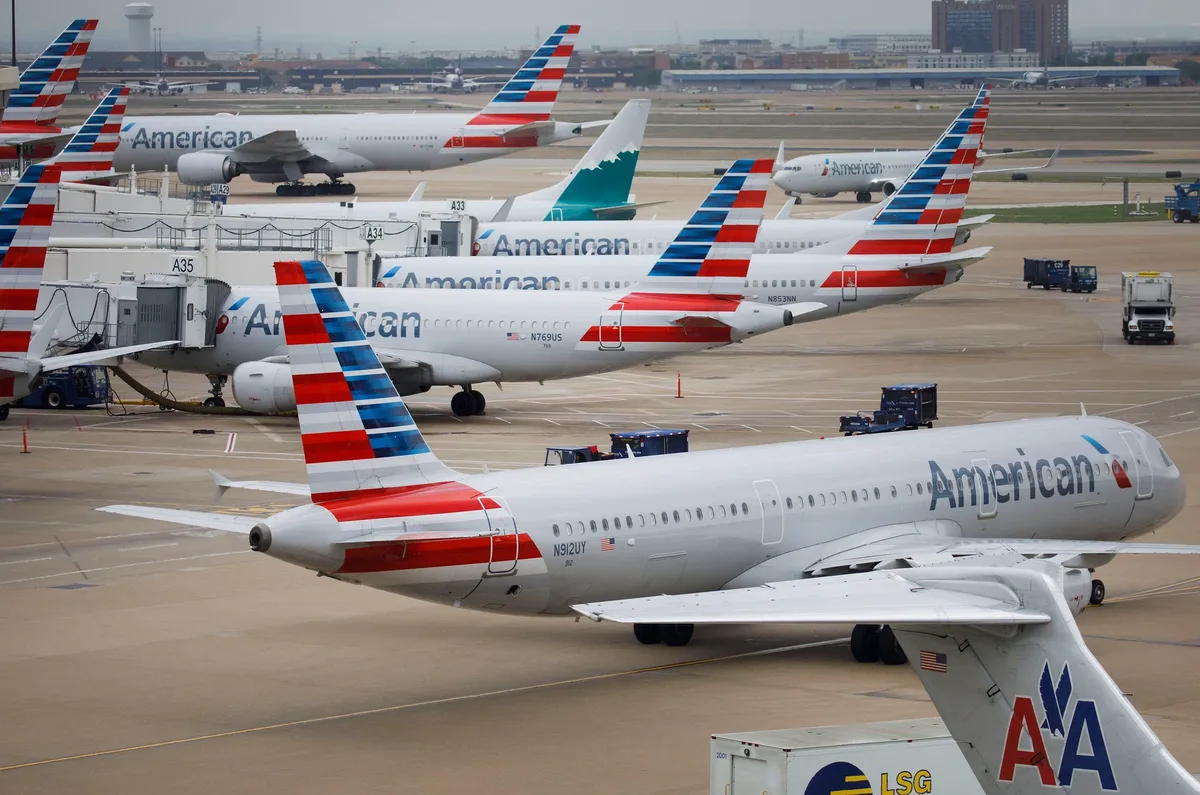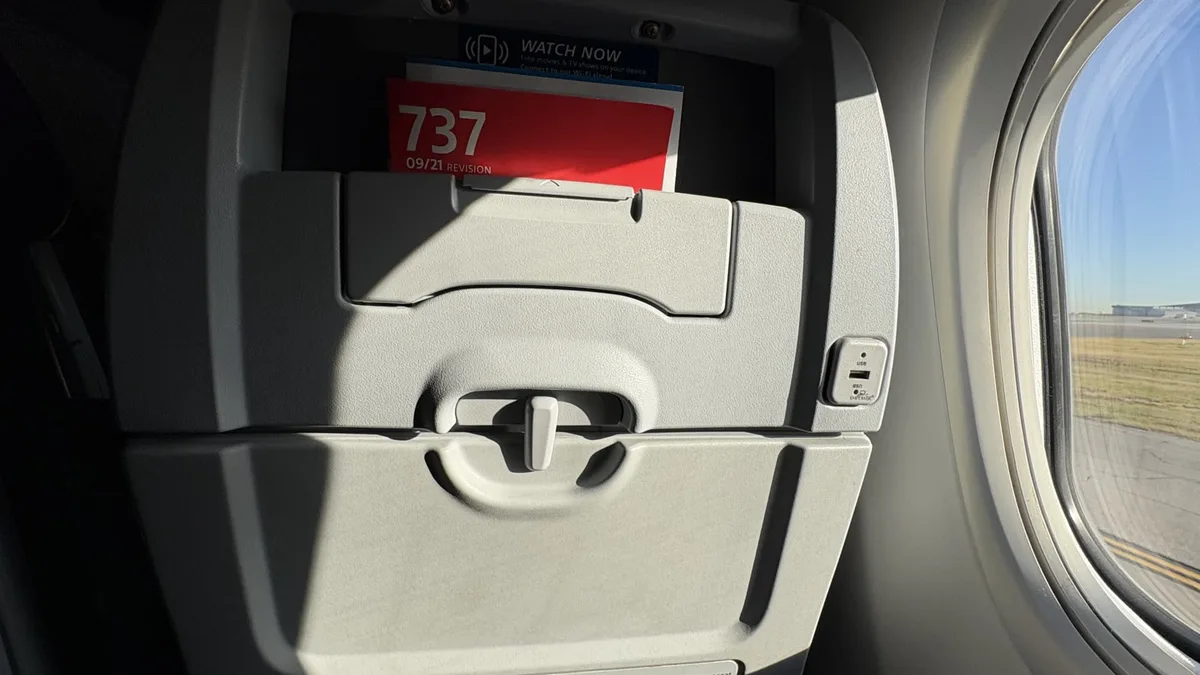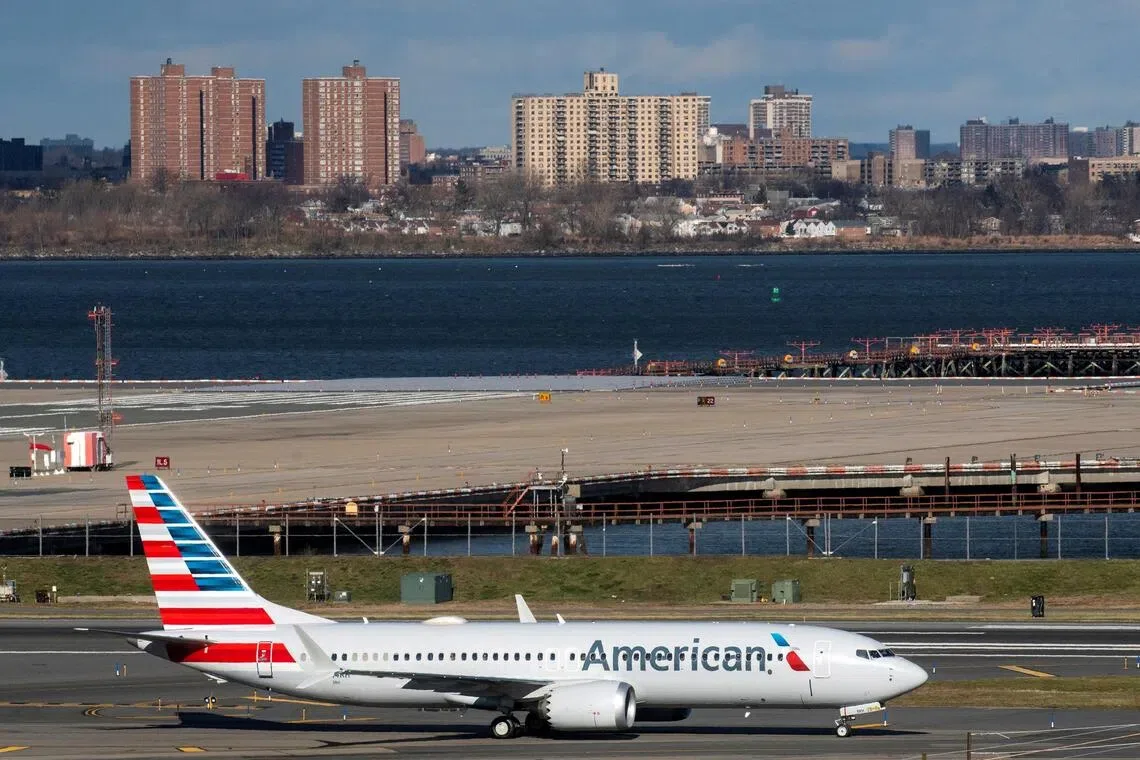
American Airlines will restore seat-back entertainment screens on its narrow-body jets starting with new deliveries in 2028 and retrofit older aircraft, with completion expected in the early 2030s, the airline said today [1, 2, 3, 4, 5].
The new screens will feature large 4K displays, Bluetooth audio pairing, USB-C charging ports, and provide movies, TV shows, games, and music to passengers [3, 4, 5]. This reverses a decision made around 2017 under "Project Oasis," when American removed seat-back screens from narrow-body aircraft, betting travelers would use their own devices [1, 2, 4, 5]. Chief Customer Officer Heather Garboden said, "The technology has advanced so much from when we made this decision more than a decade ago. Ultimately, when you have customer preference and customer satisfaction improvements, that also generates revenue" [3].
Alongside the entertainment system updates, American will increase premium seating on its narrow-body fleet from about 25% to roughly 40% by adding more first class and extra-legroom seats. This will affect Airbus A321neos and Boeing 737 MAX 10 jets in particular [1, 2, 3, 4, 5]. Garboden called it "one of the most significant investments in the onboard experience in our history," adding these upgrades will "give our customers more ways to relax, stay connected and enjoy their journey" [4].
The airline also plans to install Starlink satellite internet on over 500 narrow-body aircraft starting in 2027 to enhance inflight connectivity [2, 5]. Currently, seat-back screens remain available on about 140 widebody planes in the American fleet [1, 4].
American Airlines CEO Robert Isom said the upgrades aim to close the profit and product gap with competitors Delta and United Airlines. American expects roughly break-even financial results in 2026, trailing Delta’s forecasted $1.6 billion profit and United’s $805 million [1, 3].
New narrow-body jets with restored entertainment systems will begin delivery in 2028, with retrofit work on existing aircraft continuing into the early 2030s [1, 3, 4, 5]. The Starlink installation begins a year earlier, in 2027 [5]. These investments highlight American’s attempt to improve customer experience on domestic flights.