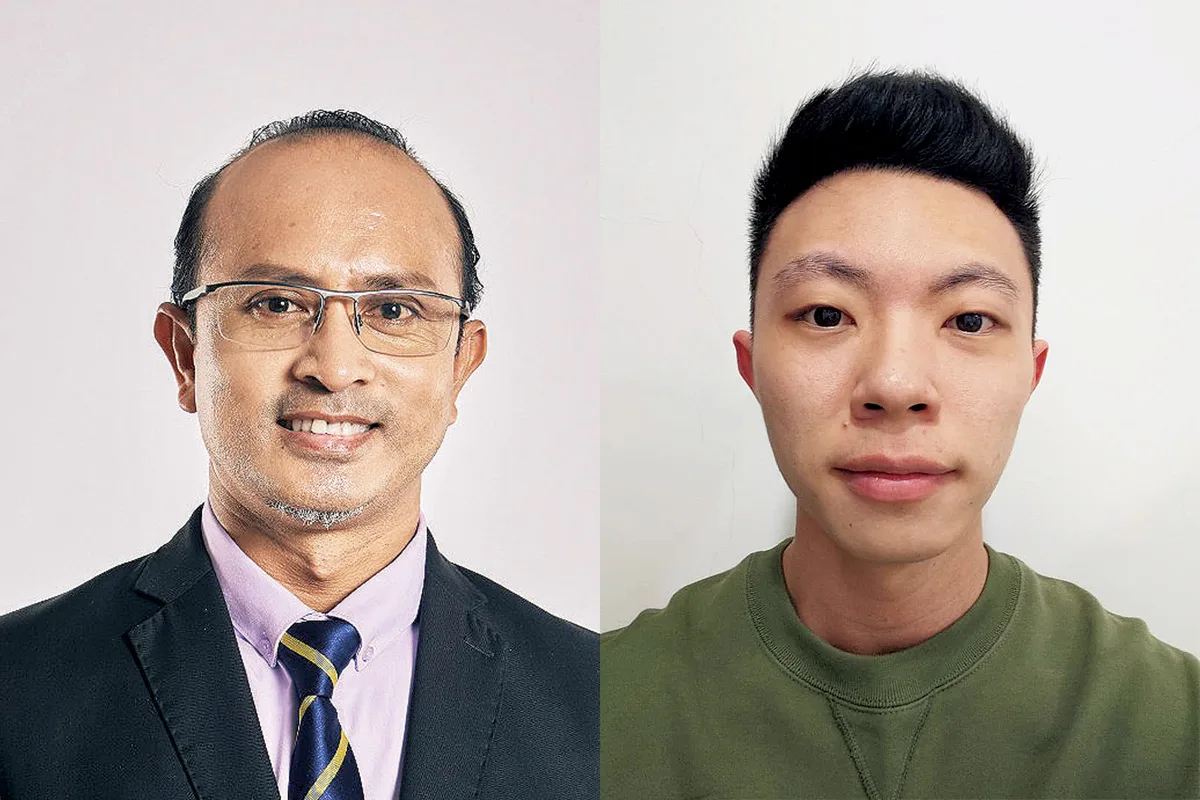
Apple sued OpenAI and former employees Tang Tan and Chang Liu in July 2026, alleging theft of trade secrets tied to hardware design, manufacturing, and supply chain operations [1, 2, 3, 4, 5, 6]. Chang Liu, who left Apple for OpenAI in January 2026, is accused of downloading confidential circuit schematics and using them at OpenAI [1, 2, 7, 5, 6]. Apple claims Liu and others retained unauthorized access to Apple’s third-party cloud storage after his departure and that Liu instructed an OpenAI colleague to destroy evidence [1, 2, 7, 5, 6].
Apple further alleges that OpenAI delayed producing evidence, only recently providing a MacBook used by Liu after leaving Apple. Apple’s lawyers said, "The MacBook represents the very limited information defendants provided so far (and only after weeks of delay), and shows Apple is not conducting ‘fishing expeditions’ but that its trade secrets are being used and evidence is being destroyed" [1].
OpenAI denies stealing trade secrets, disputing that any confidential information was taken by former Apple employees. In a court filing on September 1, OpenAI called the dispute "a mess of Apple’s own making, and it is trying to blame everyone else" [3, 4, 5]. OpenAI argues Apple’s poor data governance and employee exit policies led to unauthorized file access and claims Liu accessed Apple files solely to assist former colleagues [3, 4, 5].
More than 400 former Apple employees have joined OpenAI as it expands into hardware, intensifying concerns about competition and intellectual property risks [1, 2, 7, 4, 5, 6].
Apple is seeking monetary damages, a preliminary injunction to block OpenAI’s hardware work that allegedly uses Apple’s technology, and expedited discovery to obtain relevant evidence swiftly [1, 7, 6]. The case is ongoing, with Apple’s latest court filing submitted on August 31 presenting new evidence from Liu’s Apple-issued MacBook [1, 2, 7, 5].