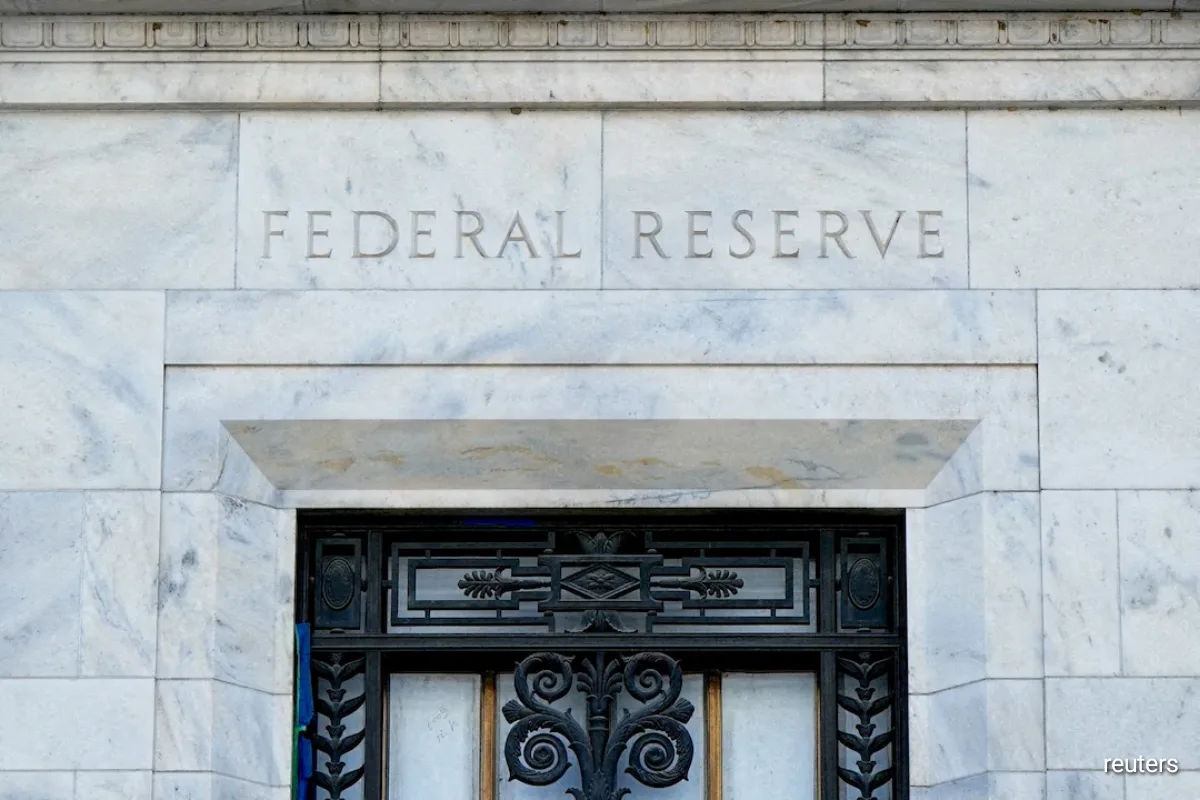
Hawkish remarks from Federal Reserve Chair Kevin Warsh raised market expectations for an interest rate increase in September, with probabilities around 60% as investors weigh persistent inflation risks. Warsh emphasized the Fed still had "work to do to bring inflation under control," signaling readiness to tighten policy further if needed [1, 2, 3, 4, 5].
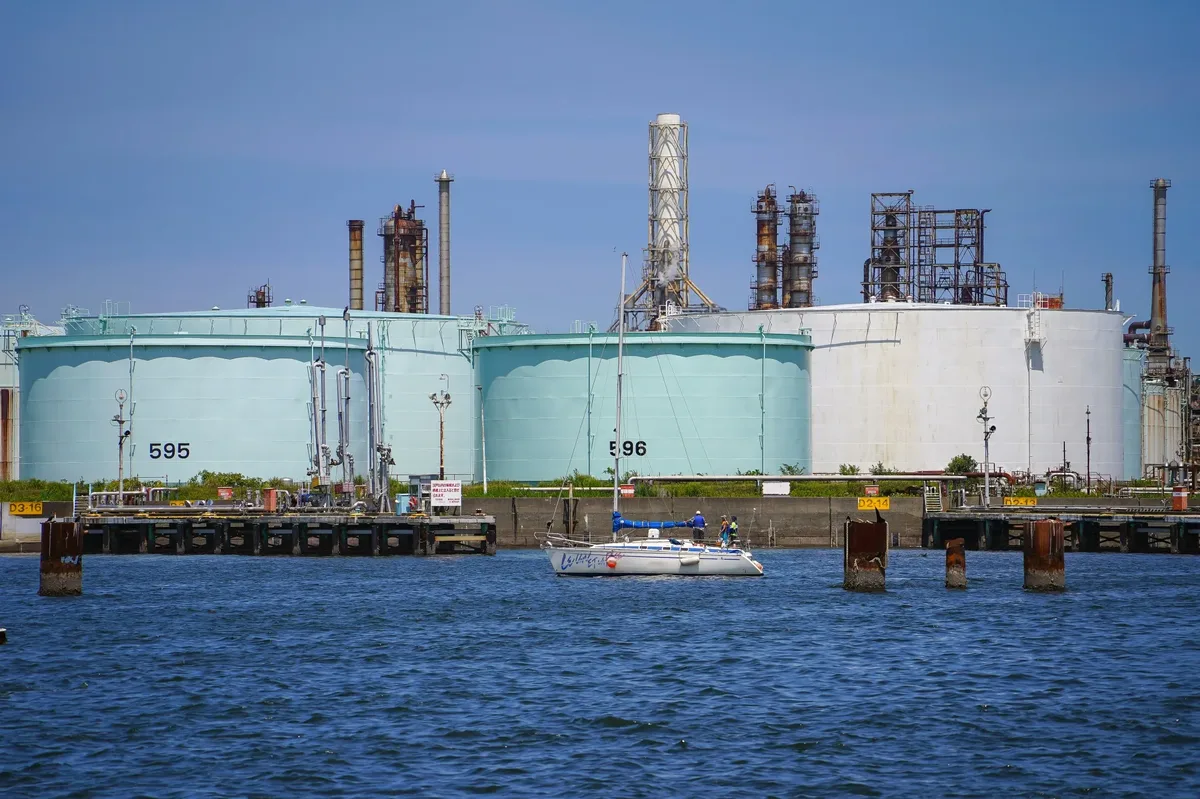
Asian stocks fell broadly following Warsh’s comments and a surge in oil prices amid escalating US-Iran military tensions. The conflict intensified after US forces struck Iranian missile sites on Larak Island on August 31, driving oil prices above $90 per barrel for the first time in months [1, 2, 6, 7, 3, 4, 5]. Forex.com analyst Fawad Razaqzada noted that higher oil prices "are threatening to reignite inflation, raising the risks of tighter monetary policy" [6].
US Treasury yields climbed to multi-year highs, with 10-year yields nearing peaks unseen since 2008. Japan’s 10-year government bond yields surpassed 3% for the first time since 1996, reflecting a global bond selloff amid inflation and rate hike fears [8, 6, 9]. Heavy government borrowing and robust corporate bond sales, particularly linked to AI investments, have also contributed to rising global bond yields. Truist managing director Chip Hughey suggested that "heavy investment around the AI build-out and higher government debt levels" are key drivers of higher real yields [8, 10].
The Japanese yen weakened sharply to near 160 per US dollar, raising pressure for currency intervention from the Bank of Japan and the government. US Treasury Secretary Scott Bessent expressed confidence that Japan would act to strengthen the yen, saying, "I have information that the market doesn't have" [11, 3, 4, 5, 9].
Emerging Asian currencies broadly softened due to Fed rate hike concerns and US dollar strength, though the South Korean won bucked the trend, gaining 4.7% in August supported by strong semiconductor exports [2, 12]. However, later comments from Fed Governor Christopher Waller, who indicated the Fed may pause hikes if inflation continues easing, led investors to scale back rate hike bets and prompted rebounds in some Asian equities. Singapore shares hit record highs amid this renewed optimism [12].
President Donald Trump defended US strikes on Iranian targets as retaliation for attacks on military bases and warned of more strikes if Iran responded. He framed the strikes as defensive measures against Iranian attempts to mine a strategic strait and previous attacks in Jordan [6, 7, 3, 4, 5].
The market will closely watch upcoming Federal Reserve communications and inflation data to gauge the September rate decision. With mixed signals on Fed tightening and geopolitical risks still simmering, volatility is likely to remain high in the near term.