AstraZeneca Plc and Bristol Myers Squibb have engaged in preliminary discussions about a potential merger that would create one of the world's largest pharmaceutical companies with an estimated combined market value near $400 billion [1, 2, 3, 4, 5, 6, 7, 8]. The merged entity would rank as the world's fourth-largest drugmaker by market capitalization [2, 3, 7, 8].
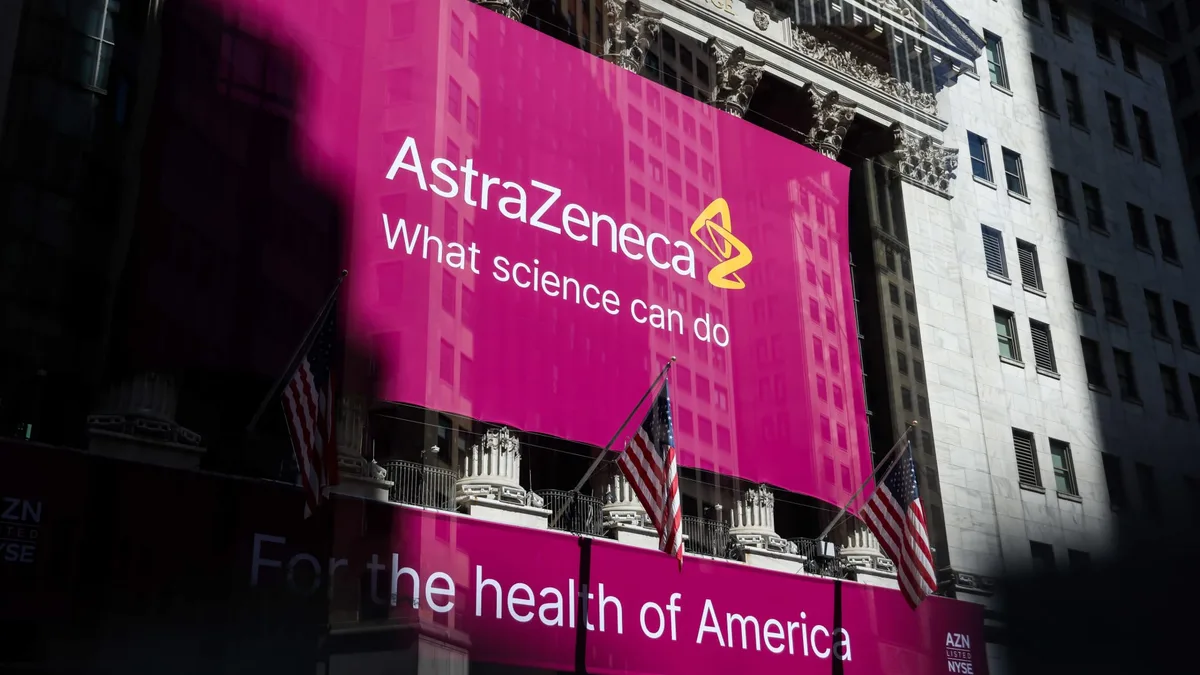
AstraZeneca’s current market capitalization stands at approximately $264 billion, while Bristol Myers Squibb's is around $133 billion [2, 3, 6, 7]. AstraZeneca recently completed a direct listing of its shares on the New York Stock Exchange in June 2026 but keeps its headquarters and main listing in London [2, 3, 7].
Both companies have sizable cancer drug portfolios that compete in key markets. AstraZeneca’s oncology treatments accounted for about $25 billion in sales for 2025, nearly half of its total revenues. Bristol Myers Squibb’s oncology drugs made up over 40% of its sales in the first half of 2026 [1, 3, 4, 7]. Analysts note these overlapping cancer units could face regulatory hurdles.
The merger proposal faces notable regulatory risks, particularly from increased US antitrust scrutiny under the Trump administration’s Federal Trade Commission. Andre Barlow, antitrust lawyer at DBM Law Group, says, “I would expect a Trump FTC to scrutinise the merger, and if there are significant overlaps in certain drugs and late-stage pipeline overlaps, it would require meaningful divestitures.” In the UK, government concerns may arise if AstraZeneca relocates its registration to the US as part of the deal [1, 3, 4, 7].
AstraZeneca CEO Pascal Soriot has driven strong growth over his 14-year tenure, with shares more than quadrupling. He has set a 2030 sales target of $80 billion, up from $58.7 billion in 2025 [1, 2, 6, 7]. Jefferies analysts said, "Given the strength of AZ's growth and innovation profile, we are a bit perplexed... if there is one company that doesn't need financial engineering, it's AZ." Bristol Myers Squibb faces headwinds from patent expiries on drugs like Revlimid, Opdivo, and Eliquis despite recent revenue growth [1, 3, 7].
Neither company has publicly commented on the merger talks [1, 3, 4, 6, 7]. The companies continue to explore the potential deal following AstraZeneca’s strong second-quarter 2026 results, announced in late July, which showed robust demand for cancer and rare disease treatments [1, 4].