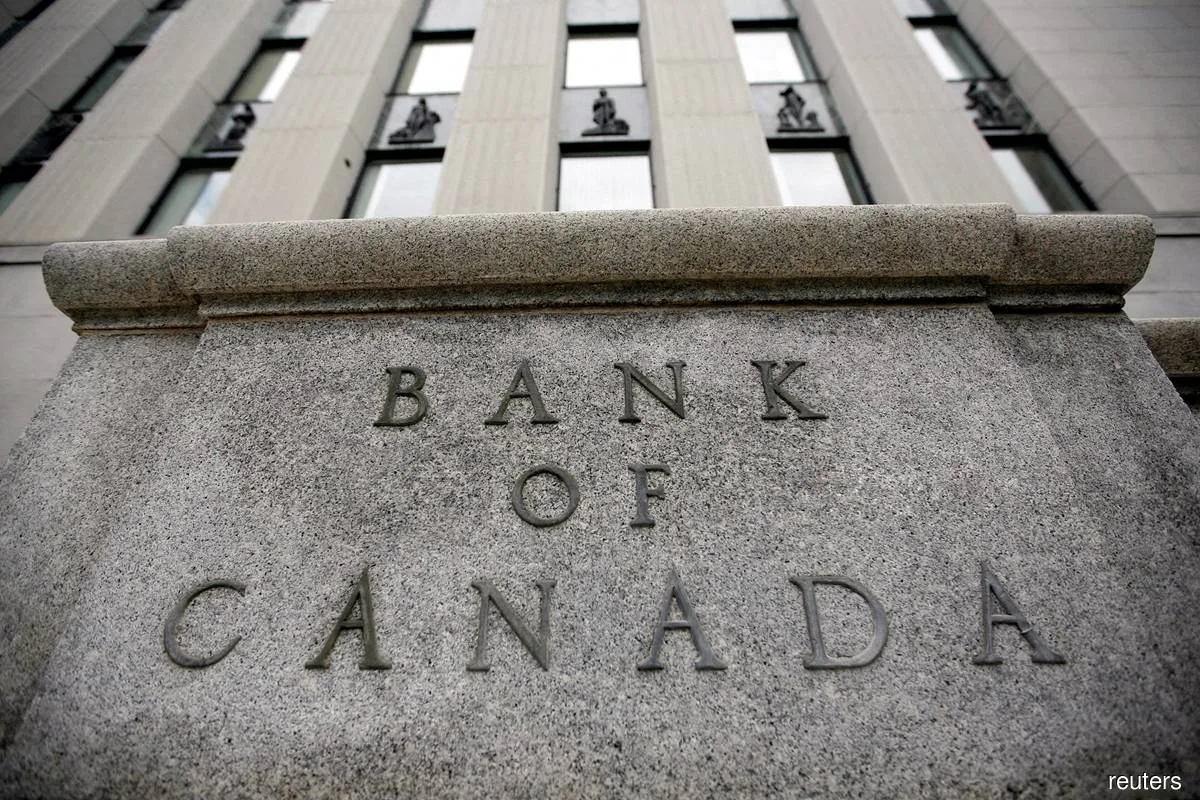
The Bank of Canada maintained its policy interest rate at 2.25% on September 2, 2026, for the sixth or seventh consecutive meeting, continuing a pause that began nearly 11 months ago when it last cut rates in October 2025 from 2.5% to 2.25% [1, 2, 3]. The central bank cited growing risks to inflation and increased economic uncertainty due to escalating trade tensions with the United States.
New US tariffs of 50% on certain Canadian imports took effect after Canada’s second-quarter GDP report, while Canada’s retaliatory tariffs, impacting more than $20 billion in US goods, are scheduled to begin on September 8, 2026 [1, 2]. The Bank of Canada noted that these measures add uncertainty to growth prospects and could push inflation higher.
Canada’s economy showed moderate growth in the second quarter of 2026. Official figures vary: one source reported a 3.3% annualized growth rate, while another cited a 0.8% increase quarter-over-quarter [1, 2]. Headline consumer inflation rose to 3.0% year-on-year in July from 2.8% in June, reflecting continued cost pressures [2]. Persistent conflicts in the Middle East have kept energy prices elevated, contributing to inflationary pressures, according to the Bank of Canada [3].
Global and Canadian long-term bond yields have risen recently in line with the ongoing economic recovery [3]. Economists warn that the trade war could create headwinds for growth. Bank of America economist Carlos Capistran said he expects the central bank to "keep a cautious tone, reiterating that uncertainty is high and that it will 'continue to assess the strength of the Canadian economy and the outlook for inflation, and is prepared to adjust monetary policy as needed'" [2]. He added that trade uncertainty has increased and will likely weigh on growth, though core inflation remains near the 2% target.
Goldman Sachs estimates the US tariffs could reduce Canada’s GDP growth by 0.3 percentage points while adding 0.3 percentage points to inflation [2]. They expect these concerns and trade volatility will keep the Bank of Canada on hold "for the foreseeable future" [2].
The Bank of Canada’s next significant event will come after the Canadian tariffs on US goods take effect on September 8, 2026, when policymakers will reassess the evolving impact on the economic outlook [1, 2].