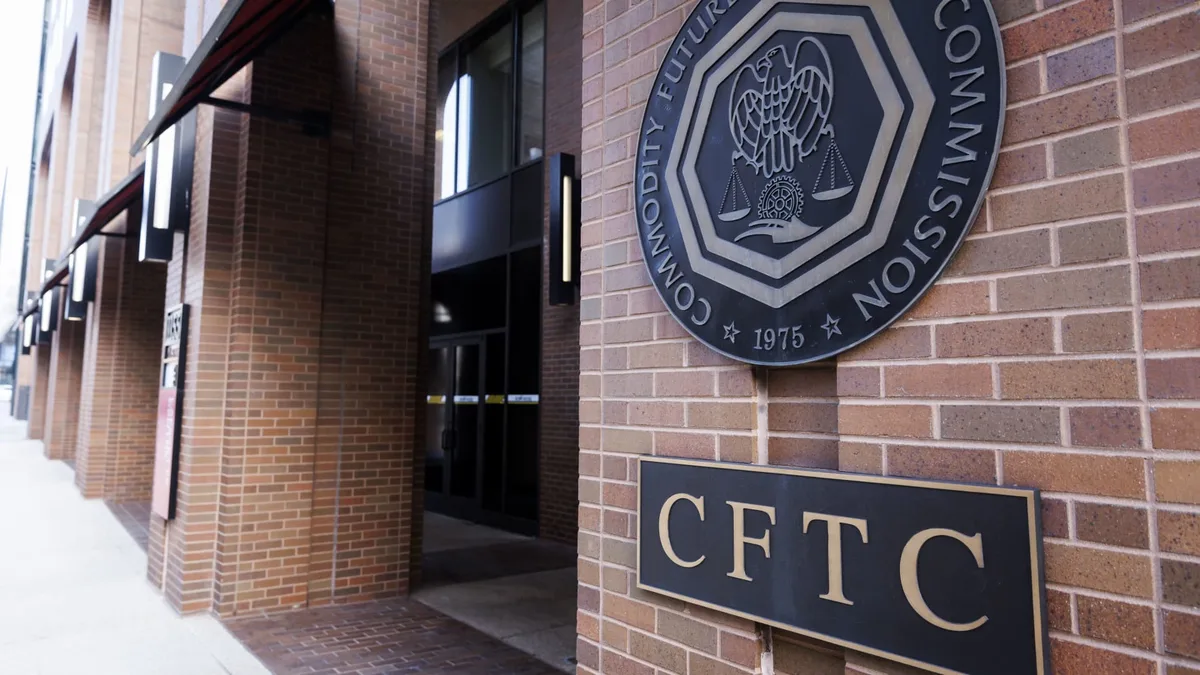
The Commodity Futures Trading Commission (CFTC) proposed new rules on June 10 to regulate prediction markets by banning contracts related to terrorism, assassinations, and war deemed illegal or contrary to public interest [1, 2]. The rules do not ban contracts tied to sports or elections but target sensitive topics vulnerable to manipulation and insider trading risks [1, 2].
The CFTC will have authority to block bets prone to insider trading or market manipulation, including on issues like terrorism or war, with potential extensions to spot-fixing in sports [2]. The agency is the exclusive federal regulator for prediction markets under the Commodity Exchange Act, despite some state governments challenging online platforms as illegal gambling [1, 2].
CFTC Chairman Michael Selig said the proposal balances market integrity with responsible innovation. He said, "The CFTC will protect the integrity of our regulated markets without standing in the way of responsible innovation. This proposal gives the Commission a durable, transparent framework to identify the contracts Congress directed us to scrutinize while letting legitimate markets move forward" [1].
Platforms such as Kalshi have begun implementing integrity measures addressing insider trading risks. Kalshi introduced risk scoring, employment verification, and whistleblower tools aiming to detect manipulation on its platform on June 9 [2].
The new rules follow an April case where a U.S. Special Forces soldier was charged with insider trading for placing 13 bets worth over $400,000 on Polymarket relating to a classified raid on Venezuelan President Nicolás Maduro [2]. This case highlighted vulnerabilities the CFTC aims to address through new oversight.
The agency acknowledged this proposal as a first step. Additional rulemakings on prediction markets, including contracts linked to gaming, are expected to be developed [1].