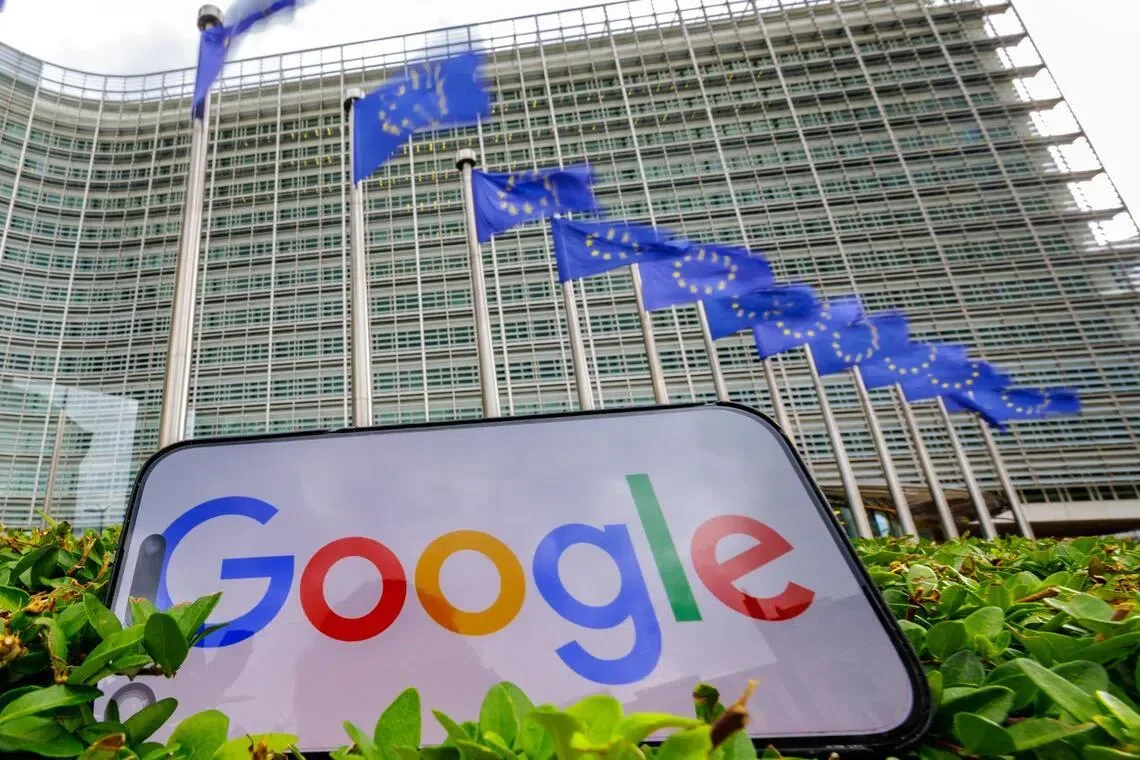
The European Union fined Google a total of €890 million (around US$1 billion) for breaching competition rules under the Digital Markets Act (DMA), in two separate fines announced on July 23, 2026 [1, 2, 3]. The first fine of €460 million targets Google's practice of favoring its own services—such as shopping, hotels, flights, and sports—in search results [1, 2, 3]. The second €430 million fine addresses restrictions Google imposed on app developers to prevent steering users to cheaper offers outside Google Play [1, 2, 3]. These violations cover the period between March 2024 and December 2025 [4, 5].
Google has 60 days to comply with the EU orders to treat rivals fairly and give developers more freedom, or it will face additional penalties [1, 2, 3]. Google criticized the fines, saying compliance would degrade popular features like real-time pricing and dismantle safety protections on Google Play. Kent Walker, Google’s President of Global Affairs, said, “To comply, we are having to strip away real-time Search features Europeans love—like instant pricing and direct availability for hotels, flights, and restaurants—and dismantle safety protections on Google Play. This isn't fair competition; it's product degradation driven by a small group of self-serving complainants, with European businesses and consumers taking the hit” [3].
EU regulators praised recent "constructive dialogue" with Google and noted progress on compliance, making new fines unlikely in the near term [2, 3, 6]. EU Digital Commissioner Henna Virkkunen said, “The DMA is to make sure we have a fair and level playing field. With these decisions we want to make sure there is competition,” adding, “We want to make sure that there is more competition and also other companies are able to innovate” [3, 5]. EU Antitrust Chief Teresa Ribera stated, “Our duty and obligation is to comply with the laws, that our laws are fully respected” [3].
The EU has previously fined Google over €10.38 billion for anti-competitive conduct over almost two decades. These are the first penalties issued under the newer Digital Markets Act [2, 3, 6]. The DMA aims to ensure fair competition among large digital platforms operating in Europe [2, 3, 6].
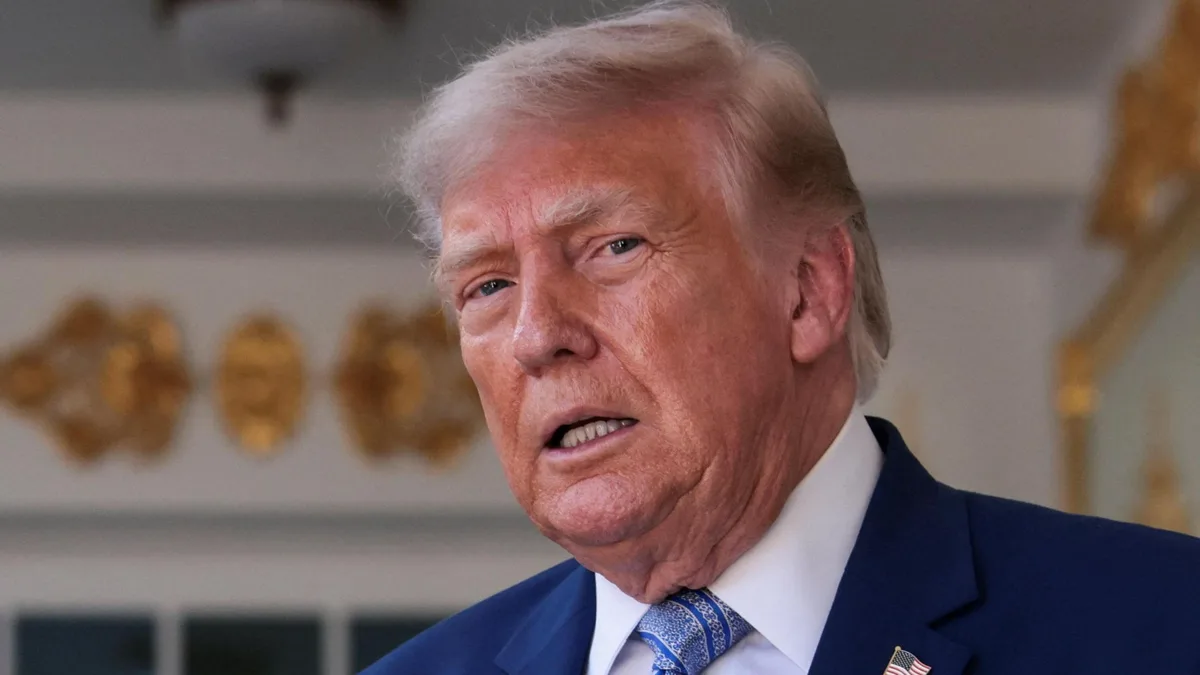
The fines triggered a sharp reaction from the United States. Former President Donald Trump condemned the EU fines as illegal and discriminatory, posting threats on social media and in official statements to launch a Section 301 trade investigation and impose substantial tariffs on EU goods [7, 8, 9, 10, 11]. Trump said, "The United States of America is not a ‘PIGGYBANK’ for Europe, nor will we allow it to be!" and warned, "The European Union will pay a very big price for this illegal and highly unethical conduct, which I have consistently warned them about" [7, 9]. US Trade Representative Jamieson Greer criticized the EU’s enforcement, saying it undermines "constructive dialogue" and poses a "real risk" to transatlantic trade stability [9]. The EU has reaffirmed it holds sovereign rights to regulate US tech firms independently of trade disputes [1, 11].
The EU’s decision on July 23 sets a 60-day deadline for Google to adjust its practices or face further punishment [1, 2, 3]. The company’s compliance will be closely watched amid heightened tensions between Washington and Brussels over digital regulation and trade policy.