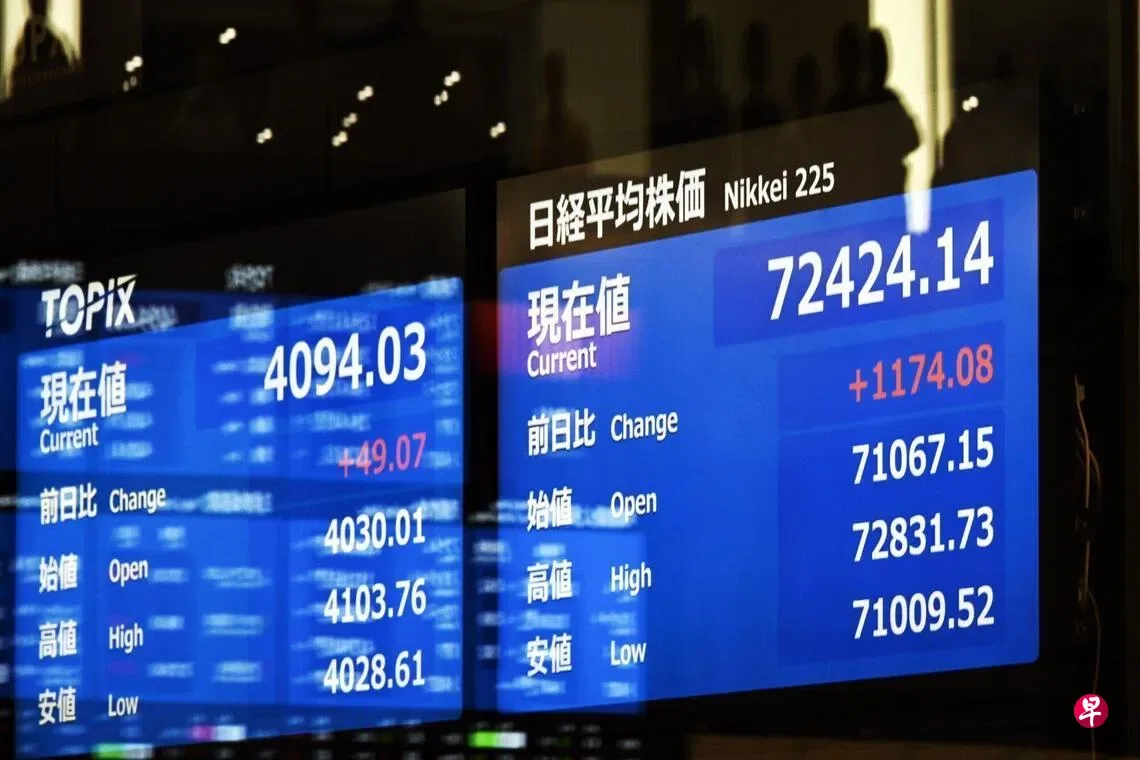
Two prominent Chinese hedge fund managers warned on June 26 that the global AI stock market has become an unsustainable “super bubble” with a possible collapse point near [1]. They cited pressure on breakneck revenue growth at Anthropic PBC as a potential trigger for this crash [1].
Following these warnings, on June 27, experts including Wharton finance professor Itay Goldstein publicly noted many signs that the AI market is overpriced and likely in a bubble amid recent sharp tech stock swings [2, 3]. Goldstein said, "There are many indications that we are in a bubble. It seems likely that there is overpricing" [3].
The combined market value of the five major Wall Street tech giants is about $18 trillion, roughly equal to the size of the entire Chinese economy [2]. These companies have recently shifted from relying on stock buybacks to borrowing funds to finance AI infrastructure investments. This shift raises concerns over increased debt levels and vulnerability if interest rates rise [2].
Analysts also described a "circular financing" phenomenon where large tech firms invest in AI startups that then purchase products and services back from those same companies. This creates a fragile "house of cards" market structure [2].
Recent sharp volatility in tech stocks has intensified fears that, if the AI bubble bursts, the economic shock could be severe and spread rapidly. Experts note it could affect ordinary citizens broadly, unlike the 25-year-old internet bubble that mostly hit smaller companies [2]. A large portion of Americans hold stocks directly or through retirement accounts, which could threaten millions’ financial security in a crash [2].
However, current levels of market speculation and frenzy remain lower than during the late 1990s tech boom [2]. The warnings from hedge fund managers and financial academics come amid ongoing market jitters over the sustainability of AI-driven growth in the tech sector.
Market watchers will be closely observing the next earnings reports and Federal Reserve decisions that could impact interest rates and debt servicing costs, key factors that may determine whether the AI stock market bubble holds or bursts.