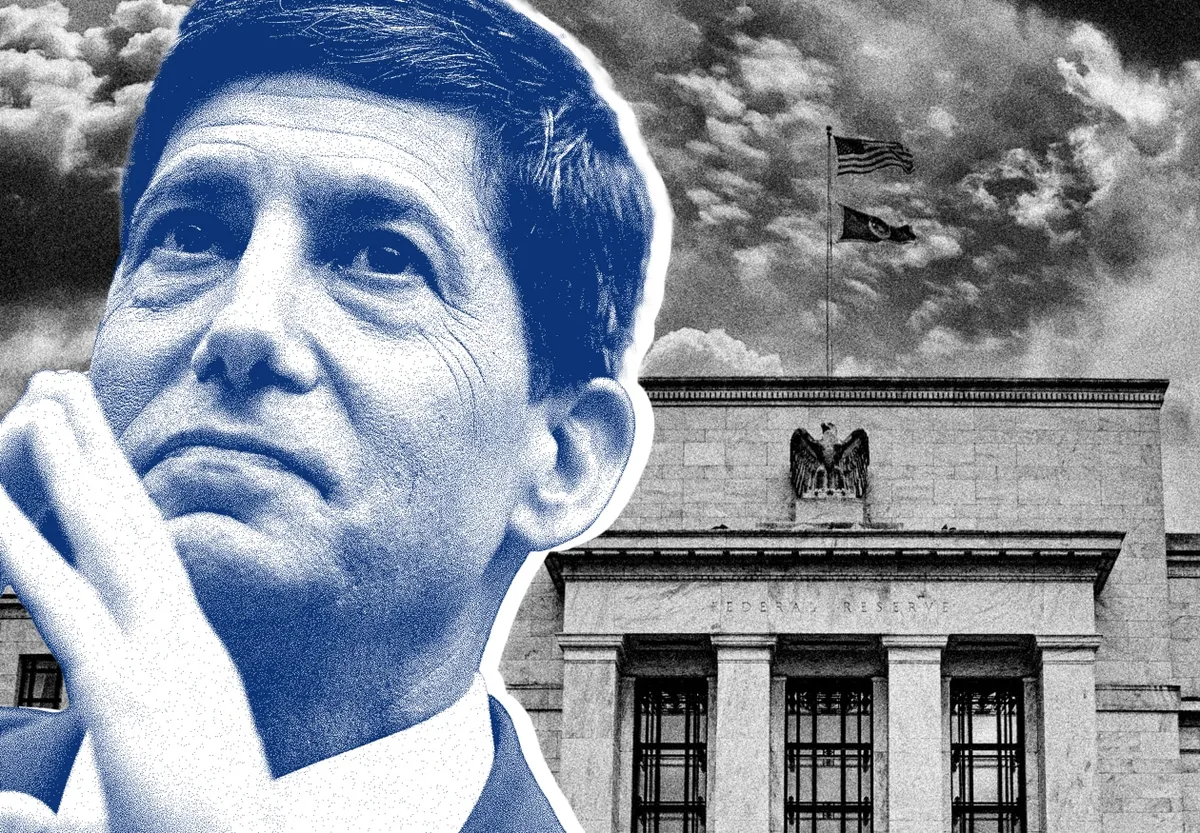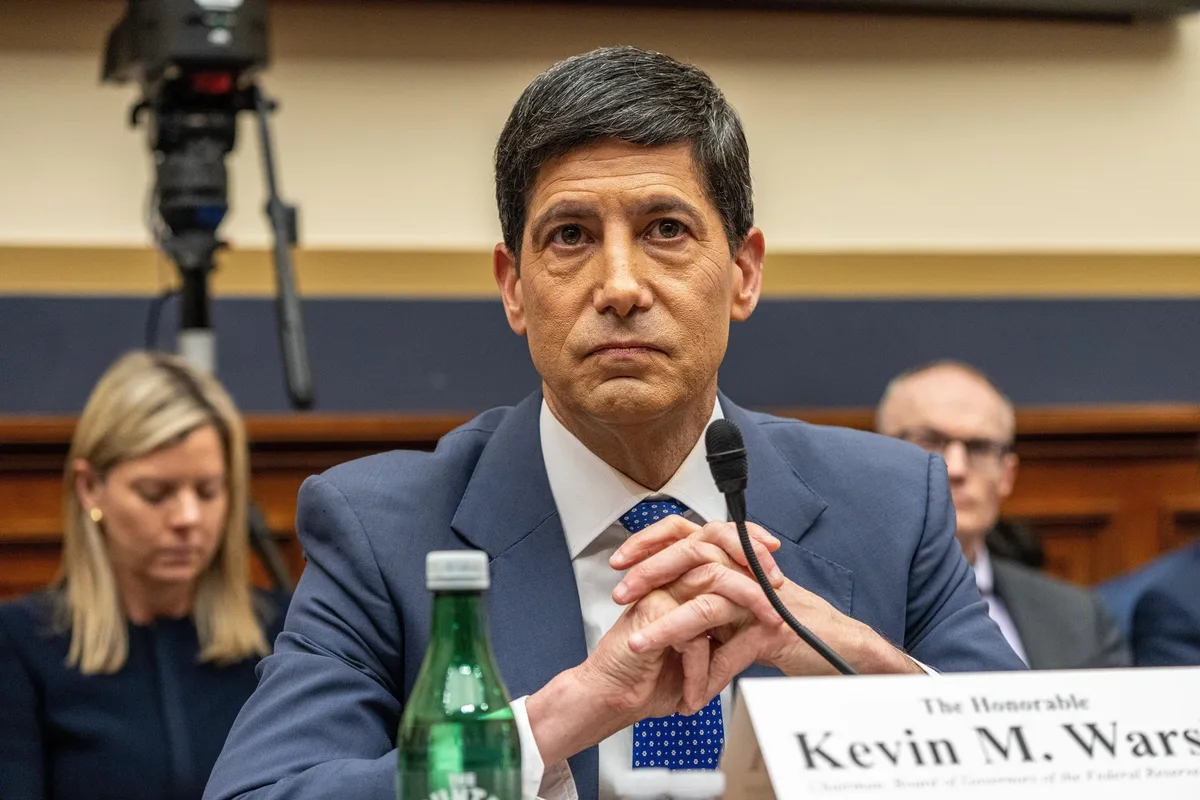
US Federal Reserve Chair Kevin Warsh could raise interest rates at the end of the two-day policy meeting on Wednesday, July 29, 2026. The potential hike would increase the federal funds rate from the current 3.5% to 3.75% range up to between 3.75% and 4% [1, 2, 3].
Markets currently assign about a 30% chance to a July rate increase. Most Wall Street analysts expect rates to hold steady until the next meeting in September [1, 2, 3]. Bank of America economists say rates "will stay on hold" though "the spike in oil prices has made it a close call," noting the final decision rests with Warsh, who "has enough votes either way" [1, 2].
Geopolitical tensions, including the US-Iran conflict pushing oil prices near $100 per barrel, have increased inflation worries and complicated the Fed's policy calculus [1, 2]. Adding to the uncertainty are President Donald Trump’s recent tariff reimpositions, which may further pressure the Fed toward tightening [1, 2].
Since Warsh replaced Jerome Powell as Fed Chair two months ago, the stock market has remained mostly flat but volatile due to shifting rate expectations [1, 2]. Some economists warn that not raising rates now could hurt the Fed's credibility with bond markets, while hiking might confuse investors given Warsh's earlier views that inflation is driven by supply shocks [1, 2].
If Warsh opts not to raise rates in July, he is expected to signal a likely increase at the September 2026 meeting [1, 2]. The Fed's July 29 decision will test Warsh’s ability to balance inflation concerns with market expectations and geopolitical risks.