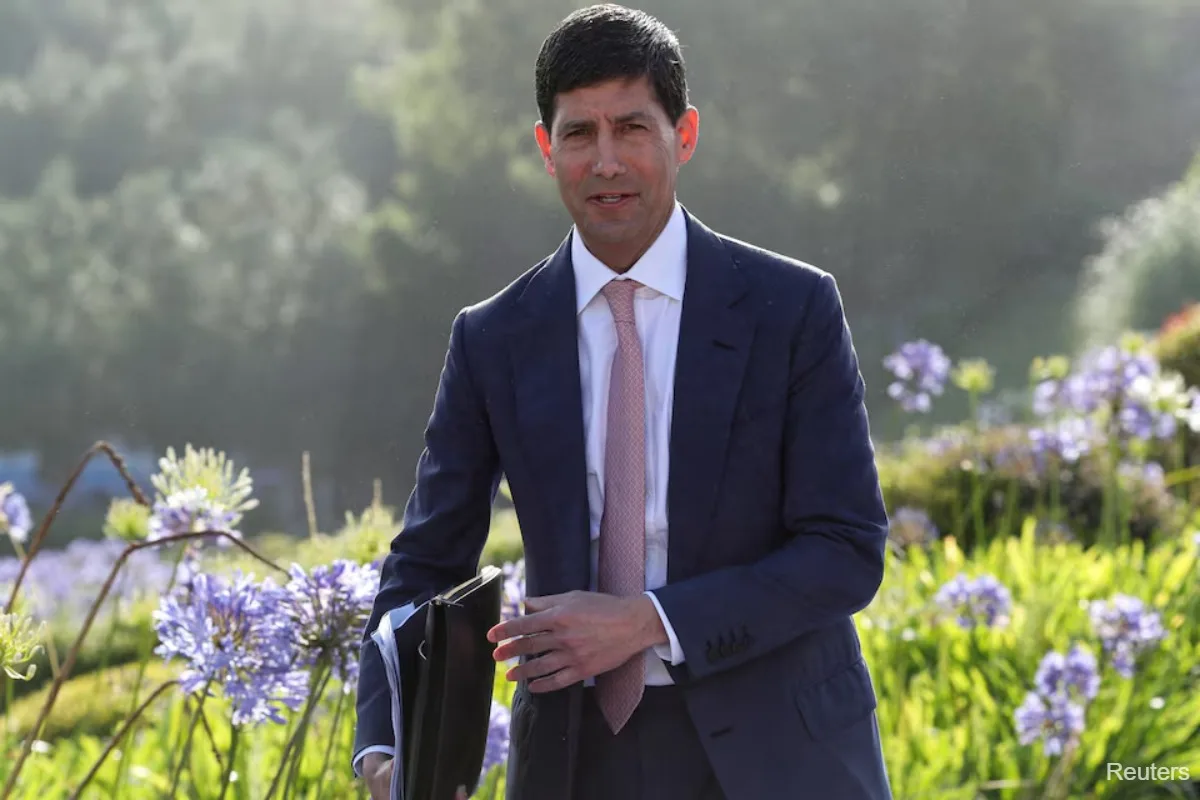
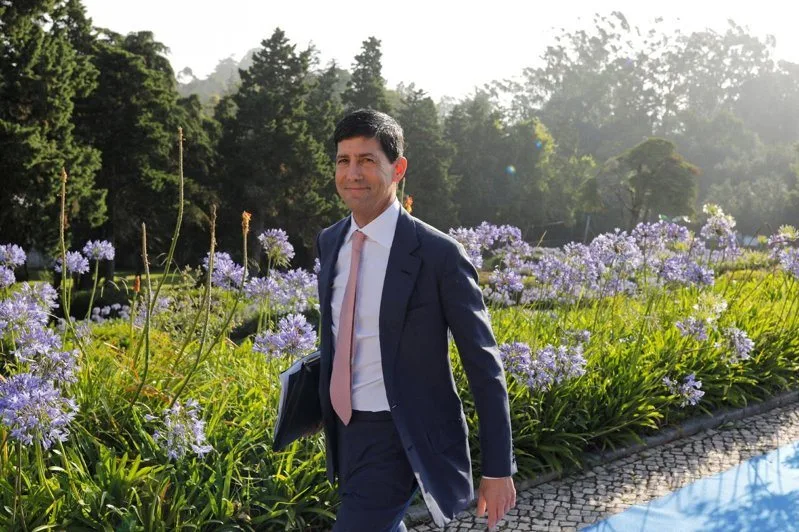
Federal Reserve Chair Kevin Warsh reaffirmed the central bank’s commitment to maintaining a 2% inflation target and delivering price stability in the US. He warned that the Fed would not tolerate inflation above 2%, saying, "If people thought this central bank was going to be comfortable with an inflation objective above 2%, they would be disappointed" [1, 2, 3].
Warsh emphasized the Fed’s independence and signaled a shift away from traditional communication tools. He announced plans to eliminate forward guidance and possibly the dot plot, arguing market participants rely too heavily on Fed forecasts rather than forming independent judgments [4, 5]. Warsh declined to provide any forward guidance about upcoming interest rate decisions, saying in Mandarin, "關於我們接下來要怎麼做,恕我不能提供任何前瞻指引" [6].
Reflecting this more hawkish stance, Fed officials recently removed language indicating a "bias towards easing" from policy statements [6, 7]. Following Warsh’s remarks, US Treasury yields and the dollar rose, with the 10-year Treasury yield at 4.485% and the dollar index at 101.52 as of July 1, 2026, signaling expectations of possible rate hikes later this year [6, 7, 3]. Futures markets assign a 33% chance of a July rate hike and 70%-88% likelihood in September [1, 6, 7].
Warsh has convened multiple internal working groups to study reforms in monetary policy communication, economic data frameworks, inflation targeting, and balance sheet policies. He recruited senior Fed economists Daniel Covitz and Eric Engstrom as advisors to assist in simplifying communications and reducing reliance on the dot plot [8, 5].
His first international appearance as Fed Chair was at the ECB annual policy forum in Sintra, Portugal, on July 1, where he spoke alongside other central bank leaders about joint efforts on inflation control [1, 8, 9].
Economists interpret Warsh’s early signals as a tilt toward interest rate hikes to reinforce anti-inflation credibility, despite President Trump’s calls for rate cuts. Some believe Warsh is balancing a hawkish stance with communication efforts to avoid direct conflict with Trump’s preferences [6, 7]. Other analysts argue the Fed may rely more heavily on quantitative tightening, using balance sheet reduction instead of immediate rate increases to manage inflation [10, 11].
US stock markets fell after Warsh’s initial comments in early July, as investors assessed inflation risks ahead of June jobs data, which estimated 110,000 new jobs added and a 4.3% unemployment rate [3]. Eastern Bank strategist Forrest noted the rise in bond yields had broadly supported the US dollar ahead of these releases [7].
The Federal Open Market Committee will meet July 28-29, with markets searching for clearer signals on policy direction under Warsh’s tenure [1, 6, 7].