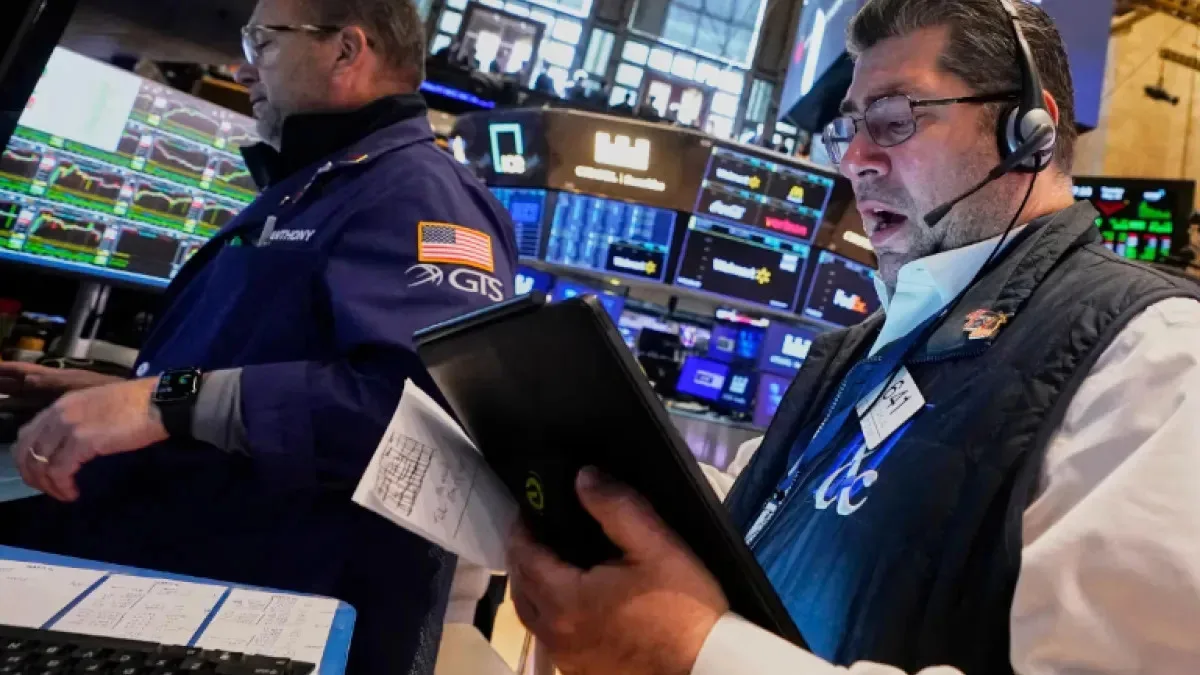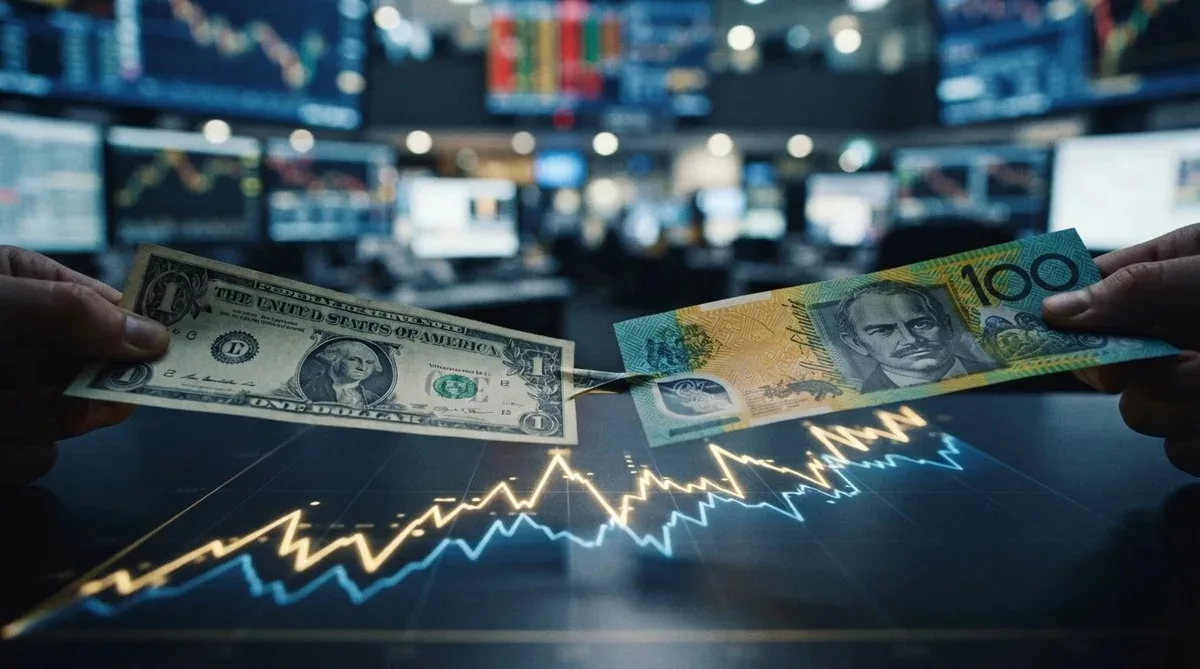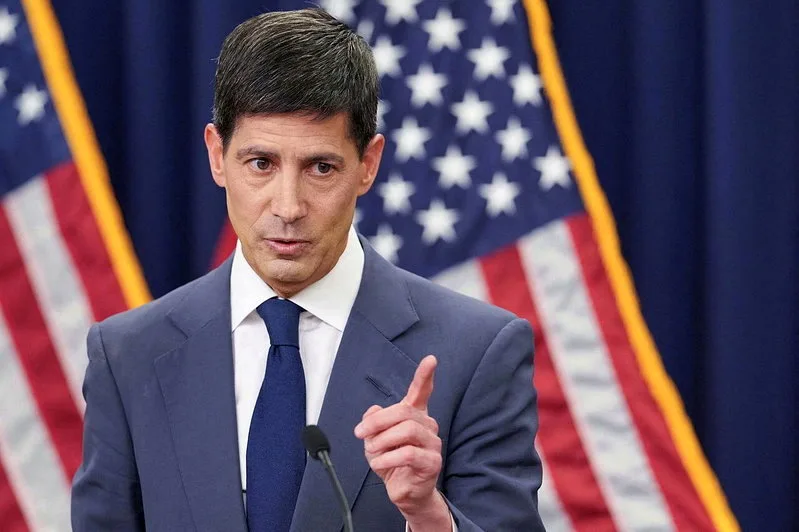
Fed Chair Kevin Warsh reaffirmed the Federal Reserve's commitment to fighting inflation and achieving a 2% target during a speech at the Jackson Hole global central bank conference on August 28, 2026 [1, 2, 3]. His remarks increased market expectations for a September interest rate hike, with odds rising sharply from about 35% to nearly 60% as traders interpreted Warsh’s hawkish tone as a signal for tightening [1, 2, 4]. Two-year US Treasury yields jumped to approximately 4.35%-4.36%, the highest in over a month, reflecting these bets on near-term hikes [4, 5, 6].
Despite Warsh’s bearish stance on inflation, he stopped short of promising a September increase, emphasizing that future moves will depend on incoming inflation and employment data [1, 2, 4]. "We must be confident that core inflation is clearly and sufficiently rapidly moving toward our target or we have more work to do," Warsh said [4]. He also underscored that financial conditions are not yet restrictive enough to bring inflation down meaningfully [4, 5].
Some bond investors, recalling June and July 2026 when the Fed held rates steady despite hawkish signals, remain skeptical about actual hikes in September. Portfolio manager Tracy Chen said, "Warsh said what markets want to hear, but actions count more than words," while CIO Christophe Boucher warned that if the Fed shirks tightening again, "market doubts on Fed credibility will resurface" [1]. Meanwhile, banks including Barclays and Societe Generale have revised forecasts assuming at least a 25 basis point hike in both September and December, with possible further increases in early 2027 [5, 6].
Warsh's speech received praise for clarity and hawkishness, with IMF chief Kristalina Georgieva calling it "good and clearly articulated" and more credible than July communications [7, 8]. Nobel laureate Paul Krugman noted Warsh marked a return to a "normal Fed stance," with no hint of rate cuts or political accommodation [9]. Chicago Fed President Austan Goolsbee acknowledged inflation remains the Fed’s main challenge and has outlasted expectations [4].
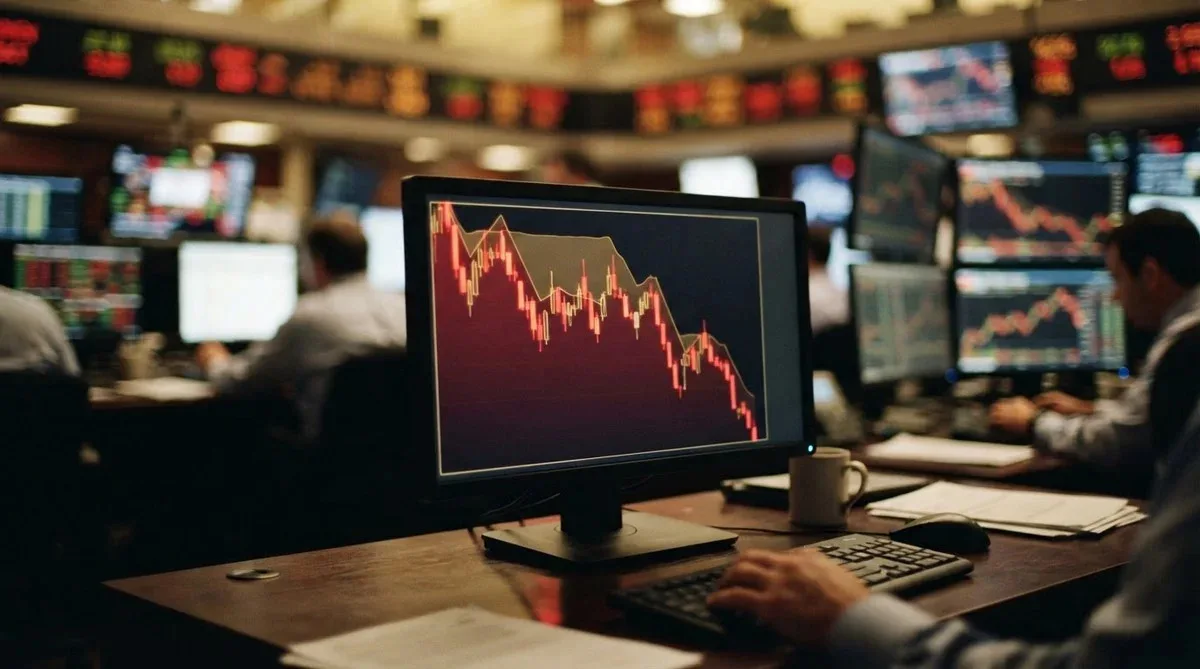
US stock markets fell following the speech, with technology and semiconductor shares hit hardest amid rate hike fears [4, 5, 6]. The hawkish tone also influenced central banks in Asia, including the Bank of Korea and Bank of Japan, and pressured Taiwan’s central bank to consider tightening monetary policy [3, 10]. Taiwanese Treasury auctions and short-term interest rates reached multi-year highs alongside inflation above 2% [3, 10].
Separately, Taiwanese PCB maker Unimicron was raided amid allegations of false product origin labeling, stirring regulatory and market concerns [3, 4].
The Fed’s near-term decision hinges on US economic data due in early September, including the nonfarm payrolls report and inflation figures [1, 2, 3]. The outcome will clarify whether the Fed follows through on the hawkish talk aired last week.