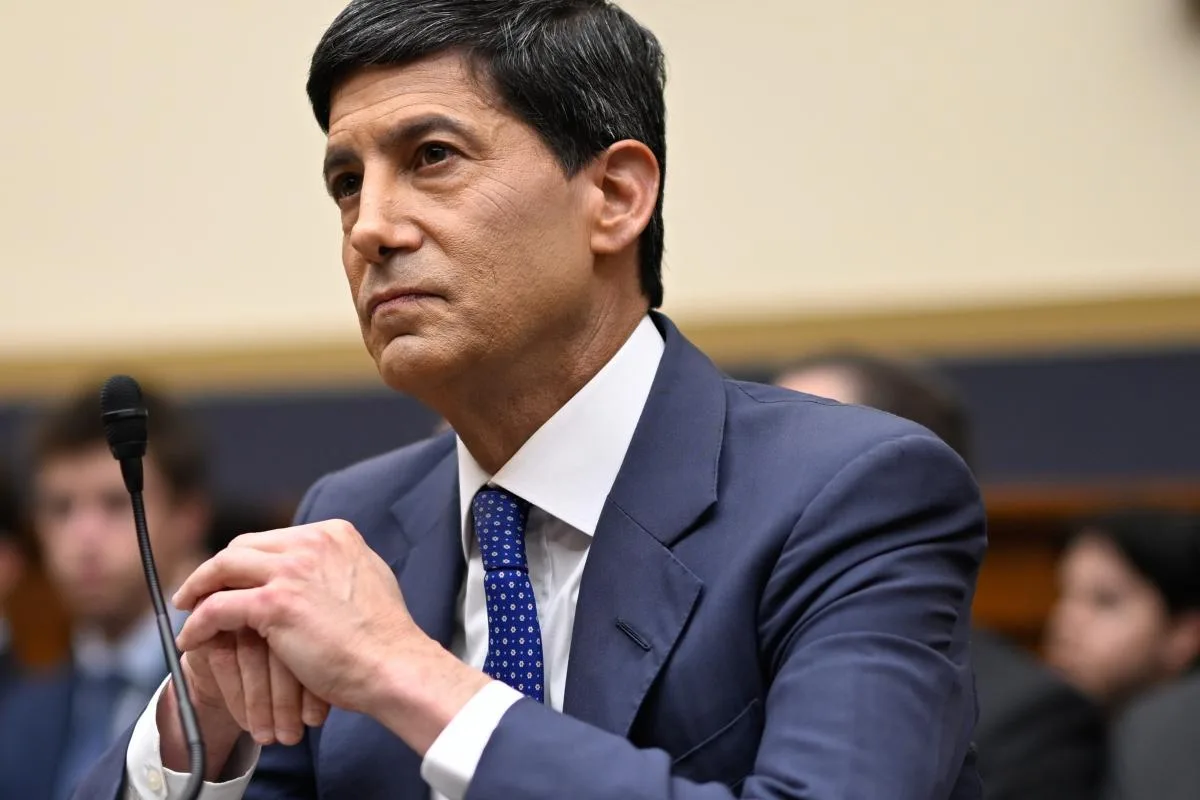
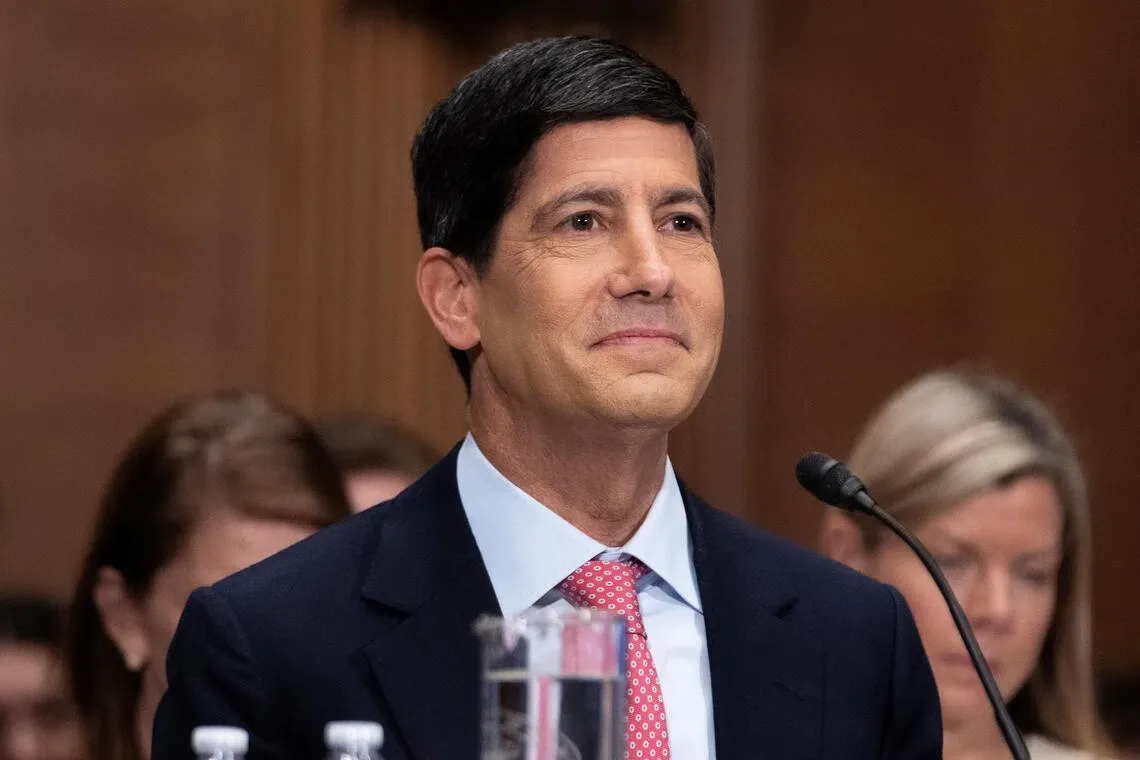
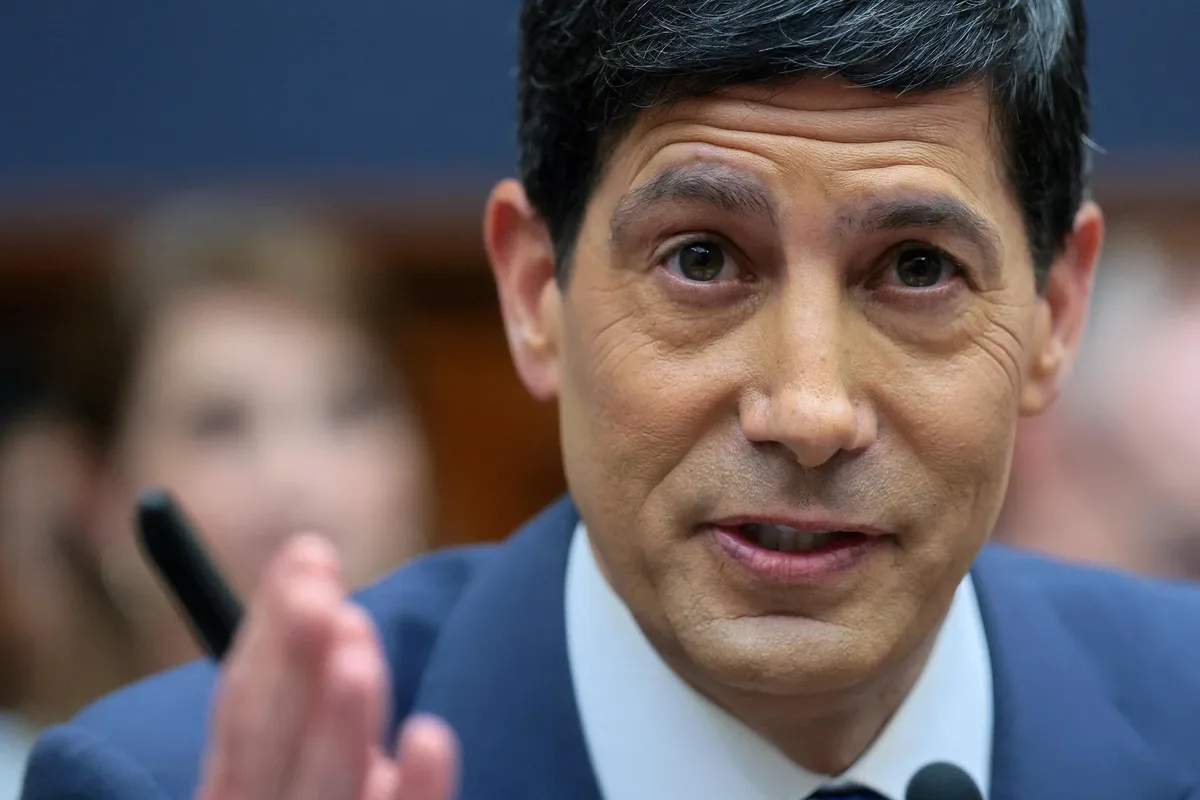
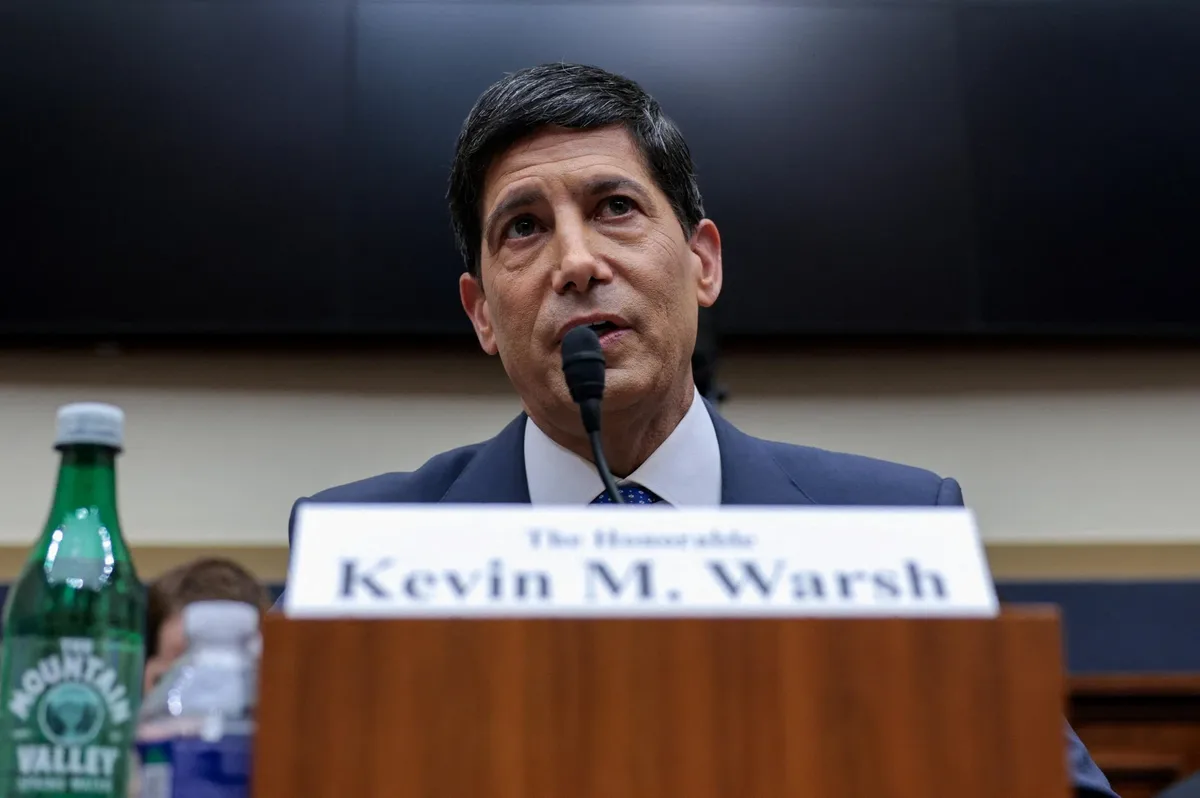
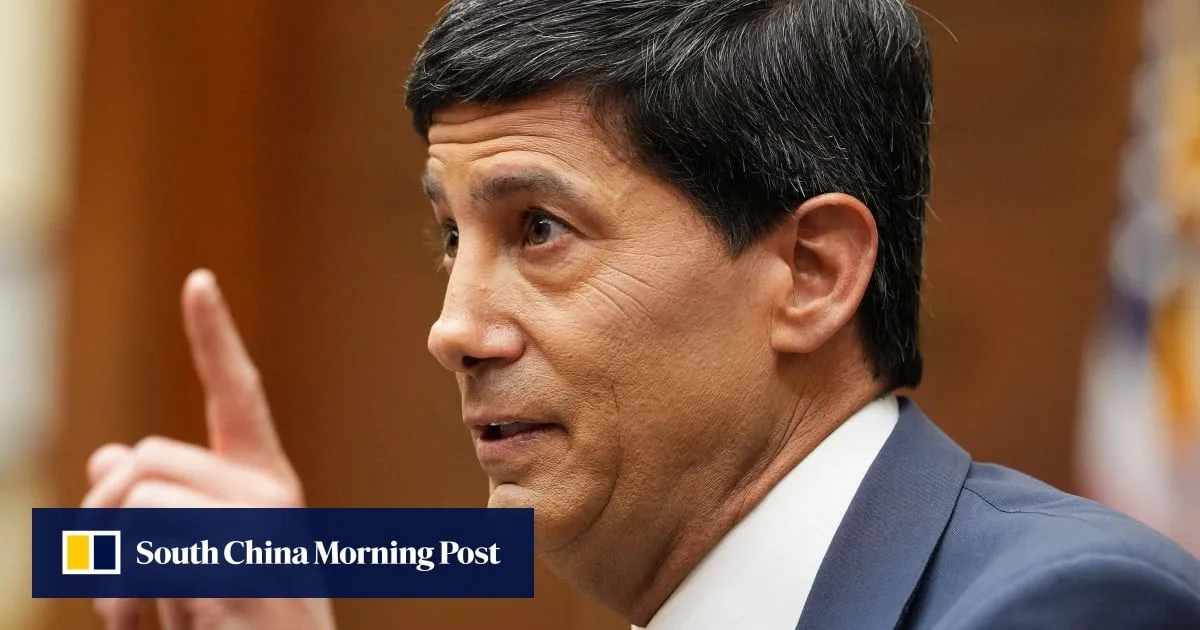
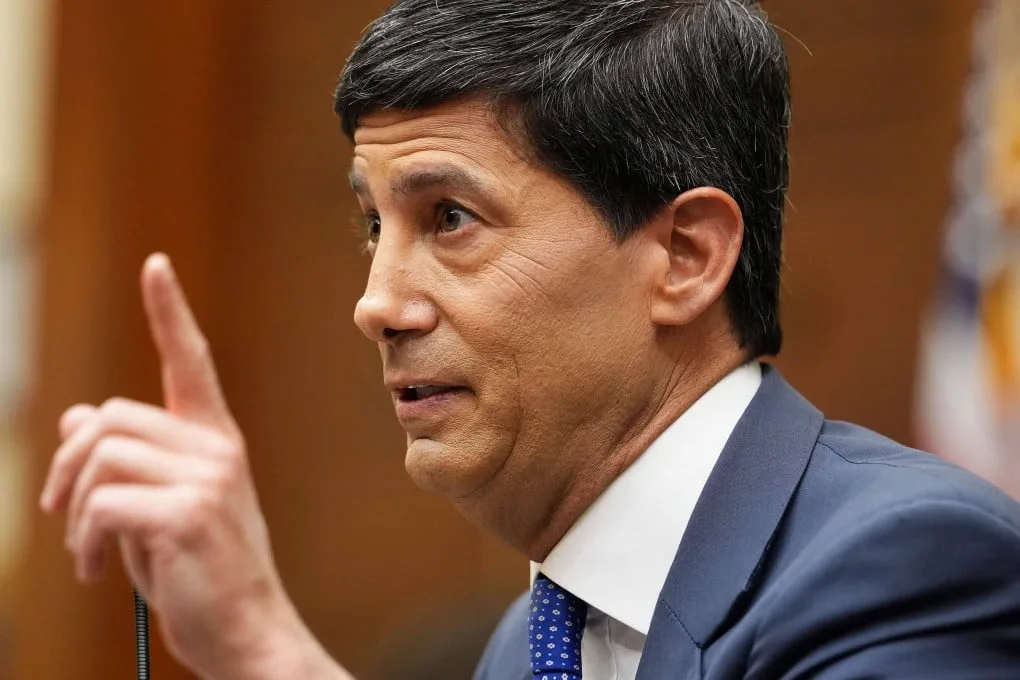
Federal Reserve Chair Kevin Warsh said the US central bank has "no tolerance for persistently elevated inflation" and is committed to restoring price stability, signaling a firm stance against ongoing inflation pressures [1, 2, 3]. Speaking in mid-July during congressional testimony, Warsh noted the US Consumer Price Index (CPI) rose 3.5% year-on-year in June, down from 4.2% in May, showing inflation has cooled but cautioning, "it does not mean the inflation mission is accomplished" [1, 2, 4, 3].
Warsh stopped short of explicitly signaling an immediate interest rate hike, saying raising rates is "one option among others" to address inflation. He told lawmakers, "We have the tools to do it. Over the coming period, I’m going to ask our colleagues to have a good family fight about the extent and timing in which we would need to deploy those" [1, 5]. The Federal Reserve has held the benchmark interest rate steady at 3.5% to 3.75% for four consecutive meetings as of June [3].
Warsh acknowledged rising investment in artificial intelligence (AI) has caused some short-term price increases but rejected claims that AI is driving persistent inflation. He described those pressures as a supply response, saying, "This is one of the good family fights. I don’t view a one-time change in prices as necessarily being inflationary" [6, 5]. This presents a more cautious view compared to colleagues including Christopher Waller, Lisa Cook, and New York Fed President John Williams, who have warned AI contributes to inflationary dynamics [6, 5].
Warsh also discussed wage growth, stating "Wages have moved up at a reasonable pace, but it’s likely that as productivity moves up more, we should see wages move more," linking productivity increases in part to AI advancements [6]. He emphasized the need for the Fed to carefully time its monetary policy actions, saying the central bank must decide the extent and timing of deploying policy tools in future discussions [1, 4, 5].
The Fed chair is working with outside expert task forces to recommend changes to Fed communications and policy by December 2026, aiming for communications that are "more circumspect and less forward guiding" to better align with evolving economic data [5].
Warsh testified on July 14 before the House Financial Services Committee and July 15 before the Senate Banking Committee, reiterating his messages about inflation tolerance, AI impacts, and Fed policy strategy [1, 6, 5, 3]. Meanwhile, division remains within the Federal Reserve, with nine officials expecting at least one rate hike this year and nine anticipating no change or a cut [3].
The Fed will continue monitoring inflation trends, AI-driven price pressures, and wage developments as it prepares for upcoming policy meetings in the second half of 2026.