The Federal Reserve maintained the federal funds rate target range at 3.5% to 3.75% following the July 28-29 Federal Open Market Committee meeting, opting against a widely anticipated 25 basis point increase [1, 2, 3]. Markets had priced in roughly a 30-40% chance of a hike ahead of the meeting, but the Fed refrained from raising rates, leaving investors uncertain about the path ahead [4, 5, 2].
Chair Kevin Warsh emphasized that "the Fed’s first priority remains getting inflation back to its 2 per cent level," affirming the central bank’s focus on price stability despite holding rates steady [6]. However, Warsh offered no explicit forward guidance on future rate moves, adding to market uncertainty. Wall Street Journal reporter Nick Timiraos noted that Warsh's reluctance to provide clear signals "makes the policy decision harder to predict; how he explains any rate hike will be more important than the decision itself" [3].
Economic data released before the meeting showed signs of a moderating U.S. economy. Second quarter GDP growth slowed, and June’s personal consumption expenditures price index (PCE) inflation declined by 0.1%, indicating some easing of inflationary pressures [1]. Yet, inflation remains elevated above the Fed’s 2% target, as June’s consumer price index (CPI) stood at 3.5%, down from 4.2% in May [4, 5]. This persistent inflation continues to fuel debate within the Fed.
Some regional Federal Reserve bank presidents voiced hawkish views, supporting potential near-term rate hikes to combat inflation risks, while others, including New York Fed President Williams, advocated for waiting until September for more data before tightening further [5, 7, 3]. This division reflects the difficulty the Fed faces balancing inflation concerns with economic growth.
Market expectations shifted toward a higher probability of one or two rate hikes by October. Futures priced in roughly a 50-60% chance of a 25 basis point increase in September and increased odds of additional hikes by October [4, 5, 8]. Treasury yields rose, with the 10-year U.S. Treasury near its highest levels since 2007 at around 4.65% to 4.7%, reflecting inflation fears and uncertainty over monetary policy [1, 5].
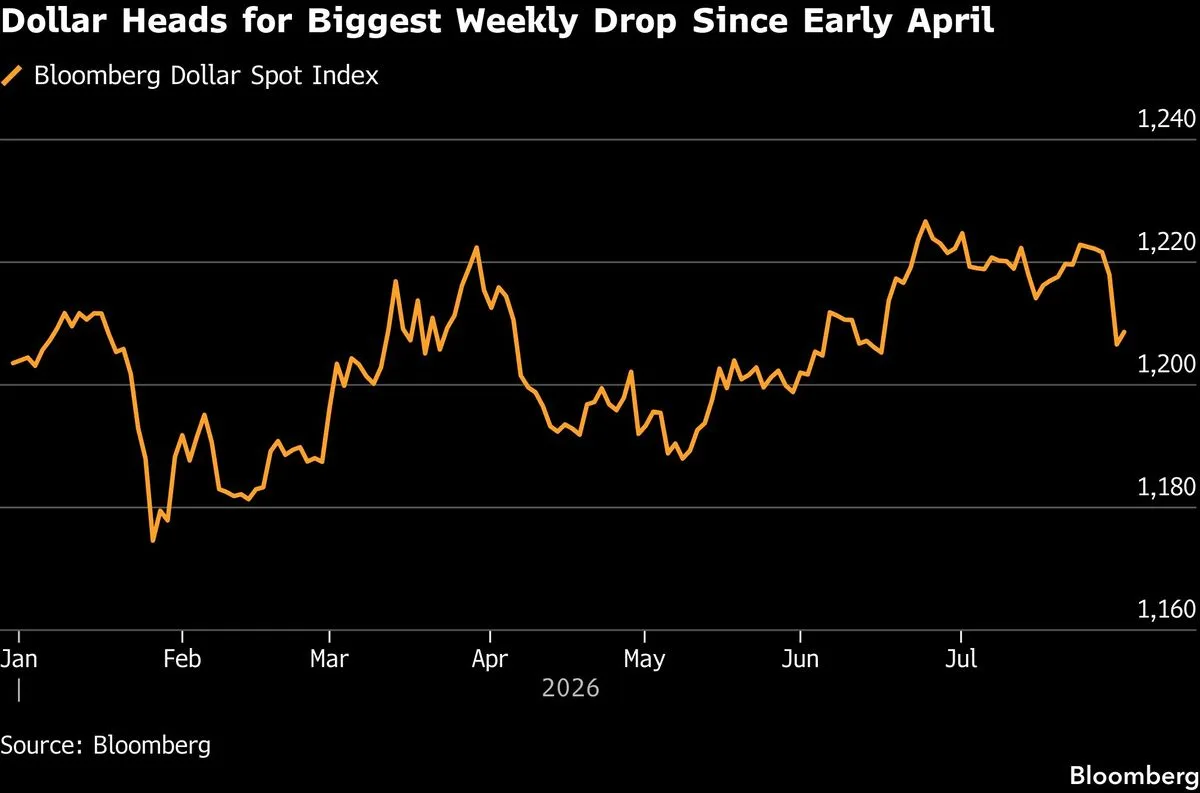
Currency markets were also volatile. The U.S. dollar reached a one-month high on July 28 before retreating slightly after the Fed’s decision [2, 9]. The Japanese yen surged 3.3% against the dollar on July 27 following intervention by Japanese authorities to support the currency but gave back some of those gains subsequently [1].
Strategists highlighted the unusual level of market uncertainty surrounding the Fed’s decision. CFRA strategist Arun Sundaram remarked, "It has been years since investors entered a Fed decision with this much uncertainty," while Gavekal Wealth’s Randhir Prakash said, "Investors are starting to signal displeasure at the path of US policy, which is bearish for both Treasuries and the US dollar" [6, 1].
The Fed’s next major monetary policy meeting in September will be closely watched for clearer signals on the future of interest rate hikes and inflation management.