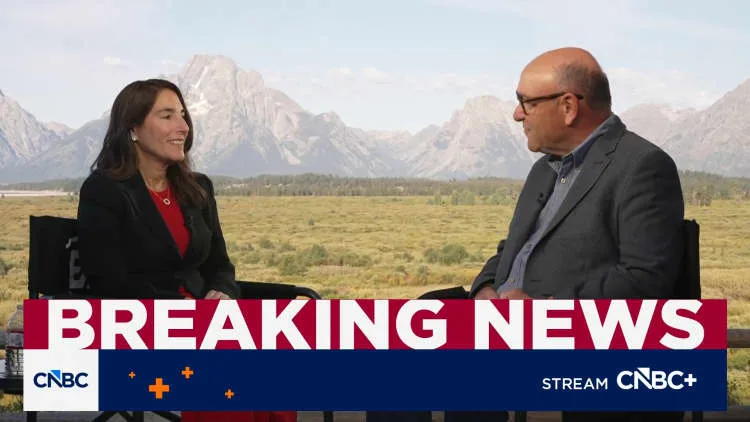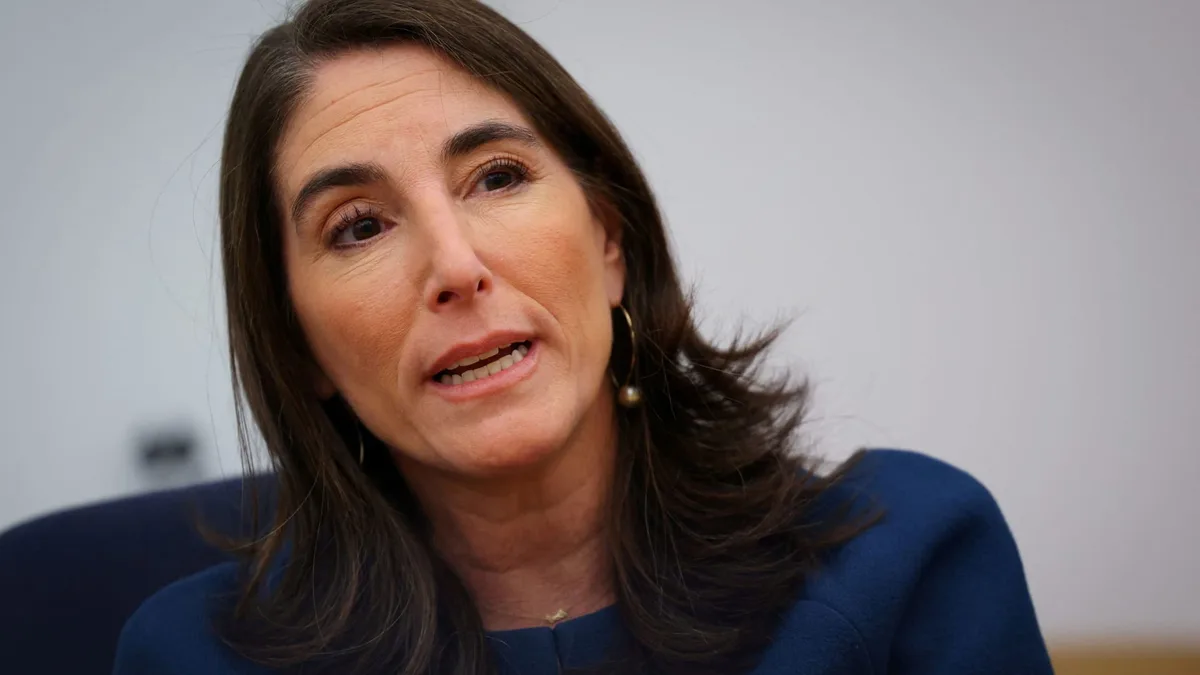
Cleveland Federal Reserve President Beth Hammack urged immediate interest rate hikes, citing inflation holding near 3% annually, well above the Fed’s 2% goal. Hammack said, "I believe now is the time to act. I believe that we've been in an inflationary situation for more than five years. It's been running well above our target" [1]. At the July Federal Open Market Committee meeting, Hammack was one of three officials dissenting, voting to raise rates by 0.25 percentage points instead of keeping them at 3.5%-3.75% [1, 2, 3].
Hammack estimates inflation will remain around 3% through the end of 2026 and only slightly above 2% in 2027, signaling little near-term improvement [2, 3]. The Fed’s preferred gauge, the personal consumption expenditures price index, rose 3.7% year-over-year in July 2026, well exceeding the 2% target [2, 3].
Factors contributing to higher inflation include the conflict in Iran, tariffs, and increased demand related to artificial intelligence, which some Fed officials warn could embed inflationary pressures long term [1, 3]. Kansas City Fed President Jeff Schmid also expressed concerns, saying, "There is still work to be done on taming inflation. I classify myself among those supporting rate increases" and noting short-term rates may still be accommodative [2, 3].
Boston Fed President Susan Collins said she would support hiking rates in the next one or two meetings if inflation data does not show sustained improvement. She stated, "If future data do not demonstrate inflation is continuing to improve, I would support Fed rate hikes, possibly in the next one or two meetings" [2, 3]. Chicago Fed President Austan Goolsbee cautioned against political interference with Fed policy, warning it could cause inflation to rebound strongly. He said, "Once political forces start interfering with central bank policy decisions, inflation often violently returns. Rate cuts must await inflation’s sustained decline" [3].
Market pricing currently assigns about a 30% chance of a September rate hike, expecting the Fed to hold rates steady through October and possibly raise them in December [1, 2]. The current federal funds target rate range is 3.5% to 3.75% [1, 2, 3].
Fed Chair Kevin Warsh is scheduled to deliver a policy speech at the Jackson Hole global central banking symposium on August 28, 2026, where markets will look for signals amid rising hawkish pressure within the Fed [2, 3]. The next Federal Open Market Committee meeting is set for September 15-16, 2026 [2, 3].