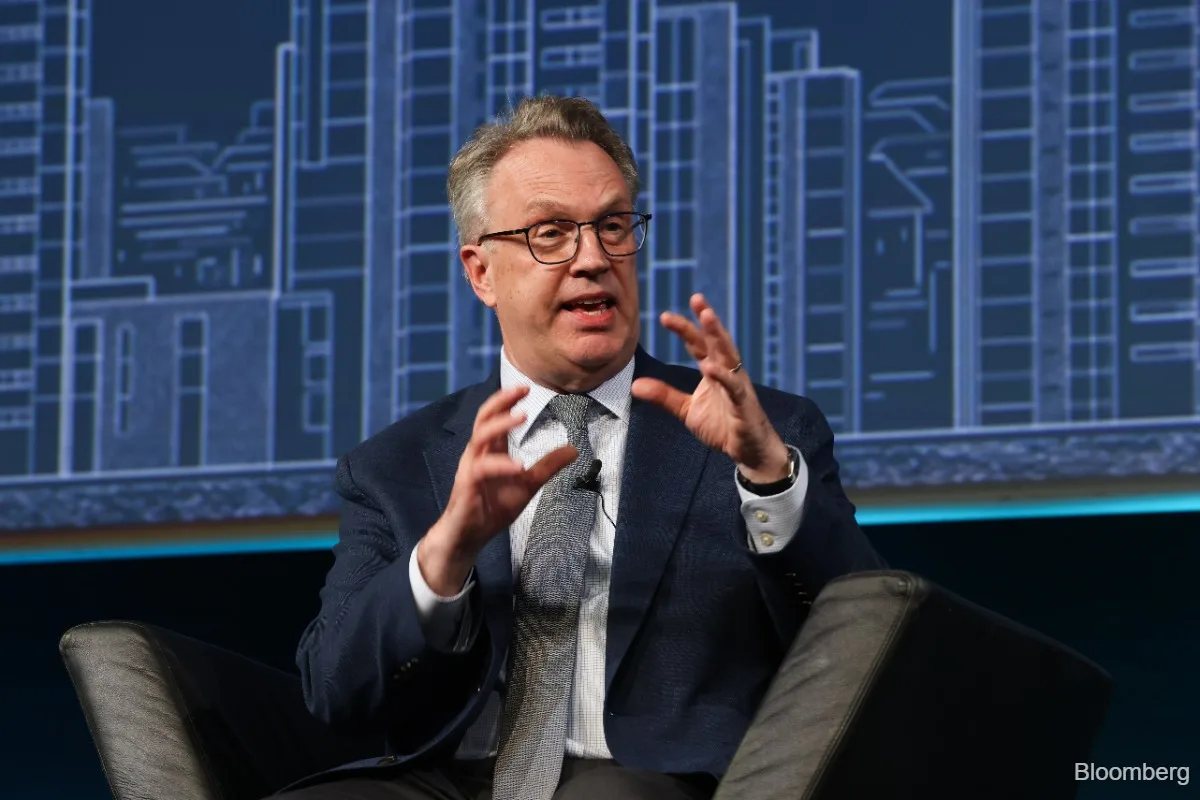
Federal Reserve Bank of New York President John Williams said June 4 that monetary policy is currently exactly in the right place, with no need to raise or lower interest rates at this point. He added he sees no obvious direction for future rate changes, stating, "I don’t see any need to raise or lower interest rates right now. I also don’t see an obvious kind of direction where we would go in the future" [1, 2].
Williams noted that inflation remains elevated, driven by higher energy prices, tariffs, and investments related to artificial intelligence. However, he said services inflation has slowed considerably. He expressed hope energy prices will stabilize or decline following the reopening of the Strait of Hormuz, and indicated he was not worried about significant second-round inflation effects from these factors [1, 2].
He added that tariffs proposed by the Trump administration are unlikely to be a major driver of inflation. Williams pointed out that while higher energy costs are starting to weigh on household spending, the economy still benefits from AI-driven investments [1, 2].
Unemployment currently stands at 4.3%, which some Fed officials consider close to full employment. Williams expects U.S. economic growth to be in the 2% to 2.25% range for the year [1, 2].
The Fed’s preferred inflation gauge, the Personal Consumption Expenditures (PCE) price index, rose 3.8% year-over-year in April, marking the largest increase since 2023 [1, 2].
Federal Reserve policymakers are set to meet June 16-17 in Washington under new chairman Kevin Warsh. The meeting will include debate on possible changes to the post-meeting statement language. Many officials favor removing language suggesting the next Fed move is likely a rate cut [1, 2].