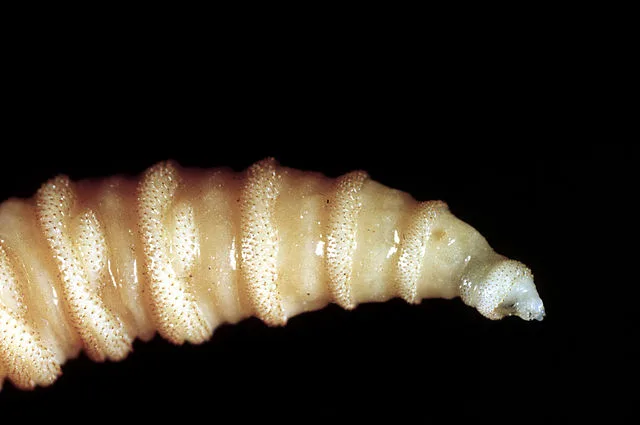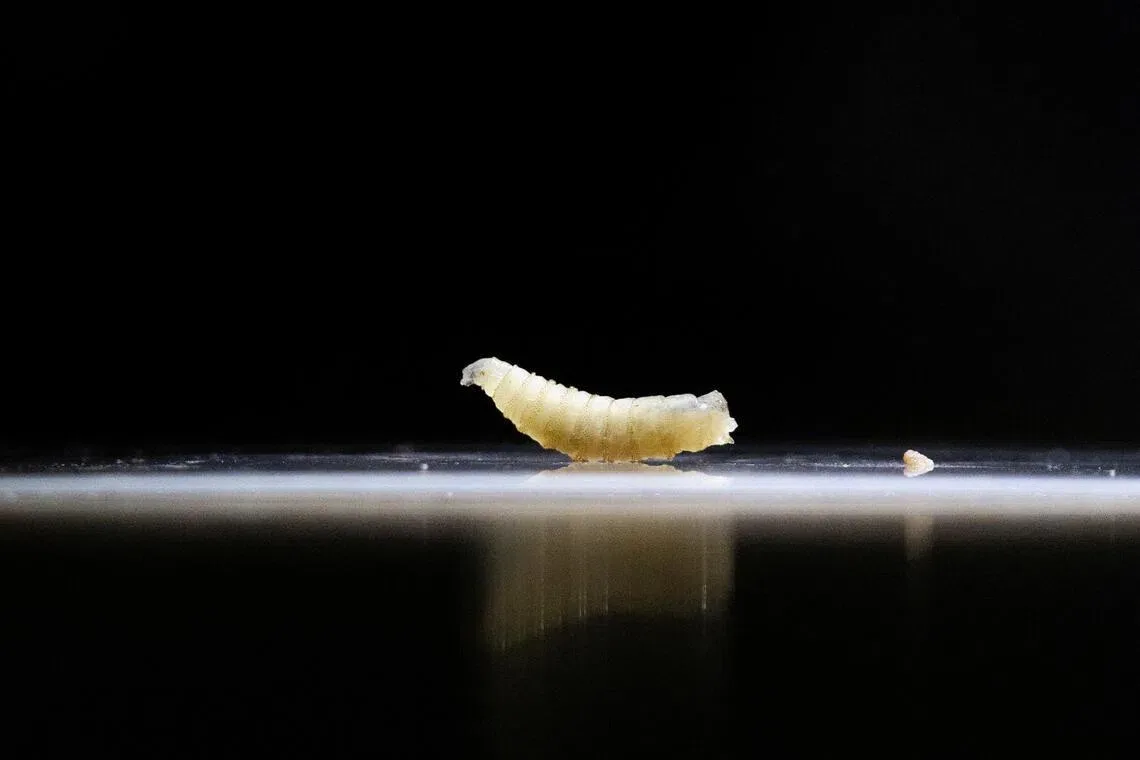
New World screwworm, a parasitic fly that infests cattle and other warm-blooded animals, was confirmed for the first time inside the US in a Texas calf on June 3, 2026 [1, 2]. The screwworm had previously spread north from Central America through Mexico, reaching as close as 25 miles from the US border [1, 2].
Following the detection of the screwworm case in Texas, the US Department of Agriculture (USDA) halted cattle imports from Mexico for one year to protect domestic herds and manage the parasite’s spread [1]. This has contributed to rising beef prices amid already low US cattle inventories.
The USDA confirmed that a screwworm sample from Texas was sent to the National Veterinary Services Laboratories in Ames, Iowa, for confirmatory testing, with personnel and local partners activated for response efforts [2]. Agriculture Secretary Brooke Rollins called the parasite "a very, very serious threat to our livestock," emphasizing the urgent nature of the situation [2]. State Representative Don McLaughlin reported a screwworm case found just one mile from the Texas border, though USDA disputed any cases closer to the border aside from the recent Texas calf detection [2].
To control screwworm populations, sterile male flies are released in affected regions. A factory in Panama currently produces and releases 100 million sterile screwworm flies weekly to suppress the parasite’s breeding cycle [1]. The US livestock industry is estimated to save roughly $900 million annually by keeping screwworm out of the country [2].
On May 28, 2026, a screwworm case was detected in a goat in the Mexican state of Coahuila, 25 miles from the US border, signaling the parasite’s advance northward [2]. The US detection on June 3 marked the first confirmed breach.
As of August 2026, the USDA continues to confirm screwworm detections and coordinate containment efforts in Texas, with updates pending the results of laboratory testing [2]. The situation remains closely monitored to prevent further spread within US livestock populations.