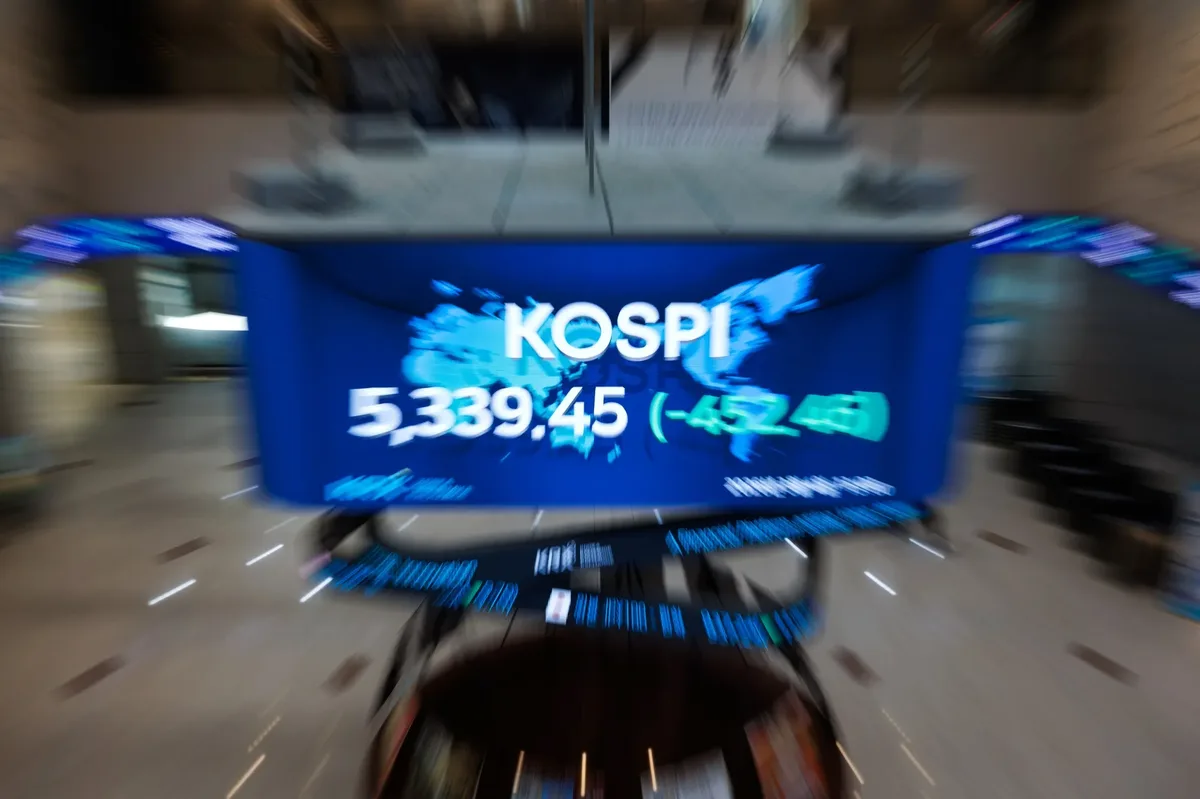
Global technology stocks, particularly chipmakers, plunged sharply after a prolonged AI-driven rally, causing broad selloffs in US and Asian markets this week [1, 2, 3, 4, 5]. Investors say the AI rally has stretched valuations too far amid growing debt-funded AI spending concerns [1, 2, 6, 7].
On June 22, 2026, the Nasdaq 100 dropped about 3.3%, while the S&P 500 declined 1.4%, primarily driven by technology sector losses [2, 6]. Major chipmakers including Nvidia, Intel, Marvell Technology, AMD, Micron Technology, and SanDisk saw shares fall between 3% and 13%, with Micron and SanDisk down 12% and 13% respectively [6, 7, 5]. The Philadelphia Semiconductor Index fell 7.3% that day alone [6].
SpaceX shares suffered significant losses over three trading sessions, wiping more than $600 billion off its market value and dipping near a $2 trillion valuation [8, 9, 6, 10, 7]. Analysts attribute some pressure to SpaceX’s recent bond sale to raise debt for AI infrastructure investments. Ipek Ozkardeskaya, senior market analyst at Swissquote Bank, told Reuters, "SpaceX ... jumping on the bond train to fund excessive AI and infrastructure spending revives earlier concerns that Big Tech may be spending too much on AI infrastructure and increasingly financing that spending through debt" [6].
The selloff kicked off in Asian markets, especially among Korean chipmakers, before spreading to US exchanges [2, 3, 4, 5]. Nigel Green, CEO of deVere Group, said, "The AI trade became one of the most crowded trades in global markets. When everybody owns the same stocks, the exit door becomes very small very quickly" [6].
Safe-haven assets moved in response to market turbulence. Gold prices dropped below $4,100 an ounce as investors sold bullion to cover losses elsewhere [11]. At the same time, US Treasuries rallied and the dollar strengthened [11]. The CBOE Volatility Index spiked above 20, signaling rising market fear [6].
Investor jitters also reflect expectations for continued hawkish Federal Reserve interest rate policies amid mounting corporate debt from AI investments [6, 7].
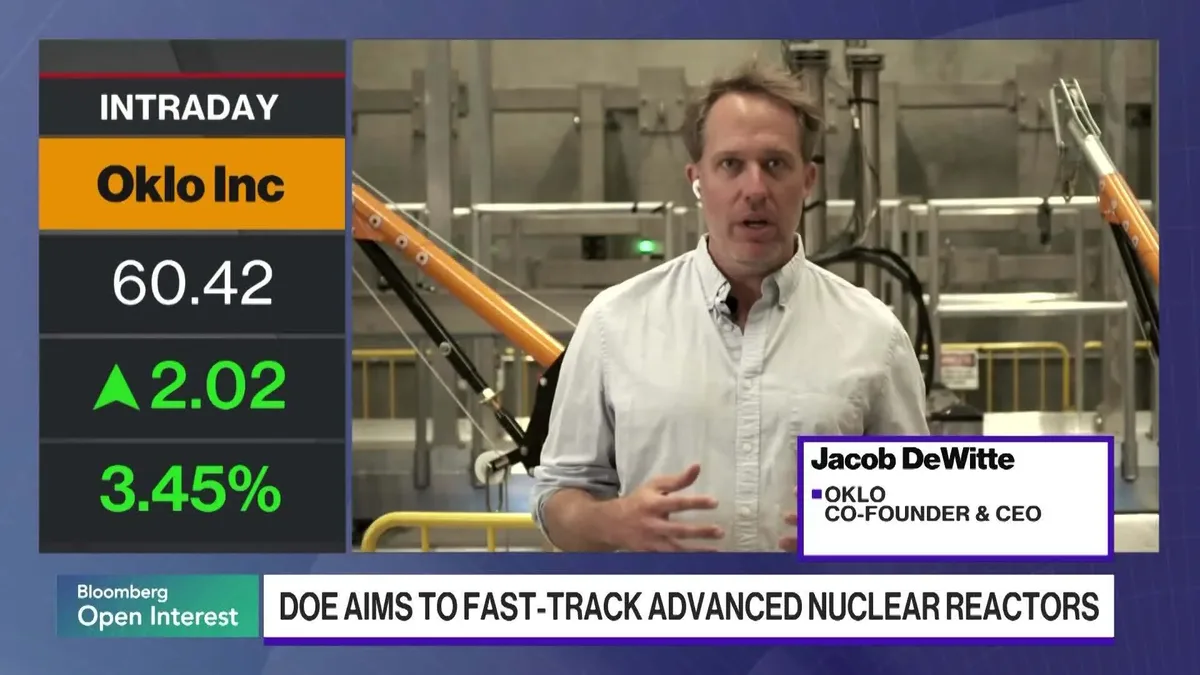
Amid the turmoil, Oklo, a US advanced nuclear reactor company, announced plans to start power production within roughly two years to support AI data center growth. Oklo CEO Jake DeWitte said, "The AI-driven data center boom is creating a market large enough for both large-scale and advanced modular nuclear reactors to thrive" [12, 8].
On June 23, 2026, the Dow Jones Industrial Average dropped 395.32 points (0.76%) in early trading as the tech selloff continued into the new week [6].