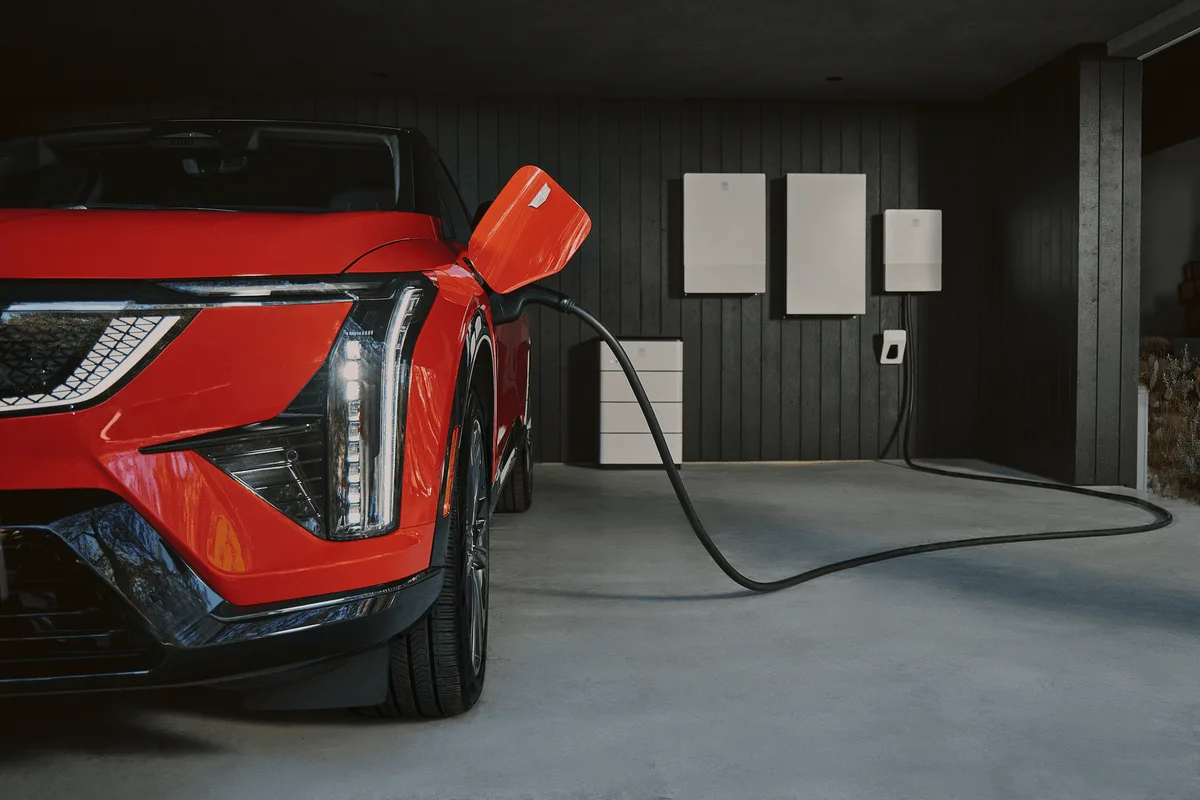
General Motors has equipped about 250,000 electric vehicles (EVs) on US roads with bidirectional charging capability, allowing them to not only draw power from the grid but also send electricity back to homes and the wider power system [1, 2].
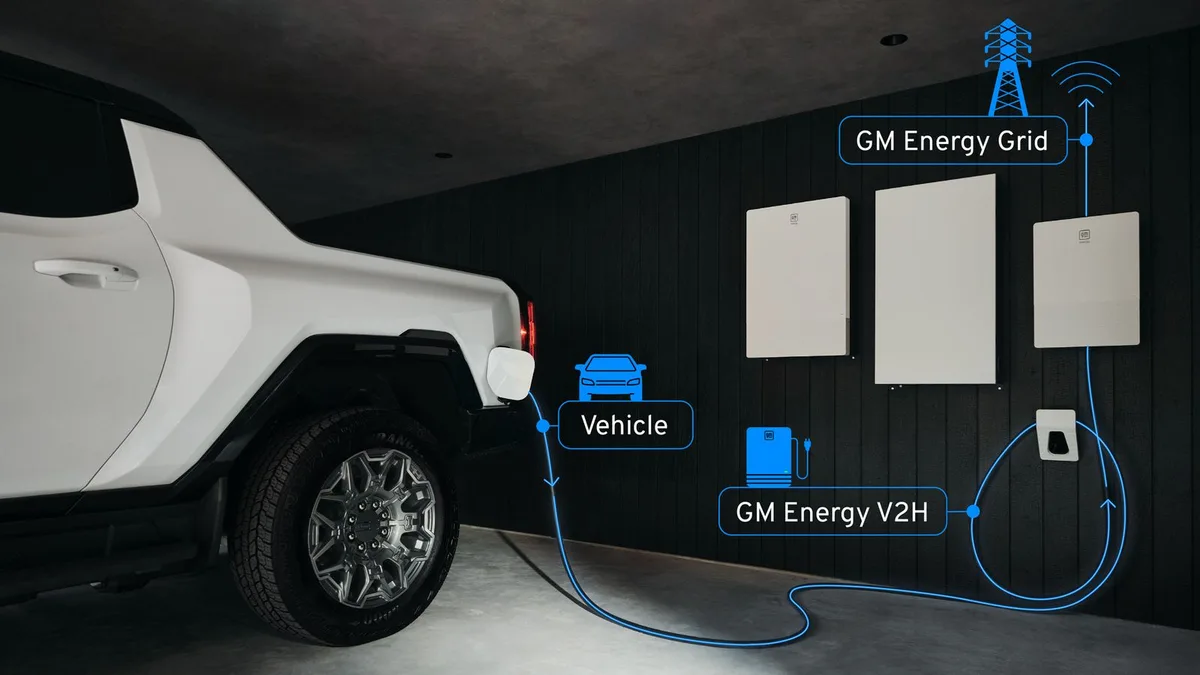
This bidirectional technology turns each EV into a potential distributed power resource. GM recently issued a software update that enables a dozen of its EV models to participate in vehicle-to-grid (V2G) charging programs, which can help stabilize electricity demand and supply [1]. GM Chief Product Officer Sterling Anderson said, "We can turn every GM EV on the road into a distributed power resource" [1].
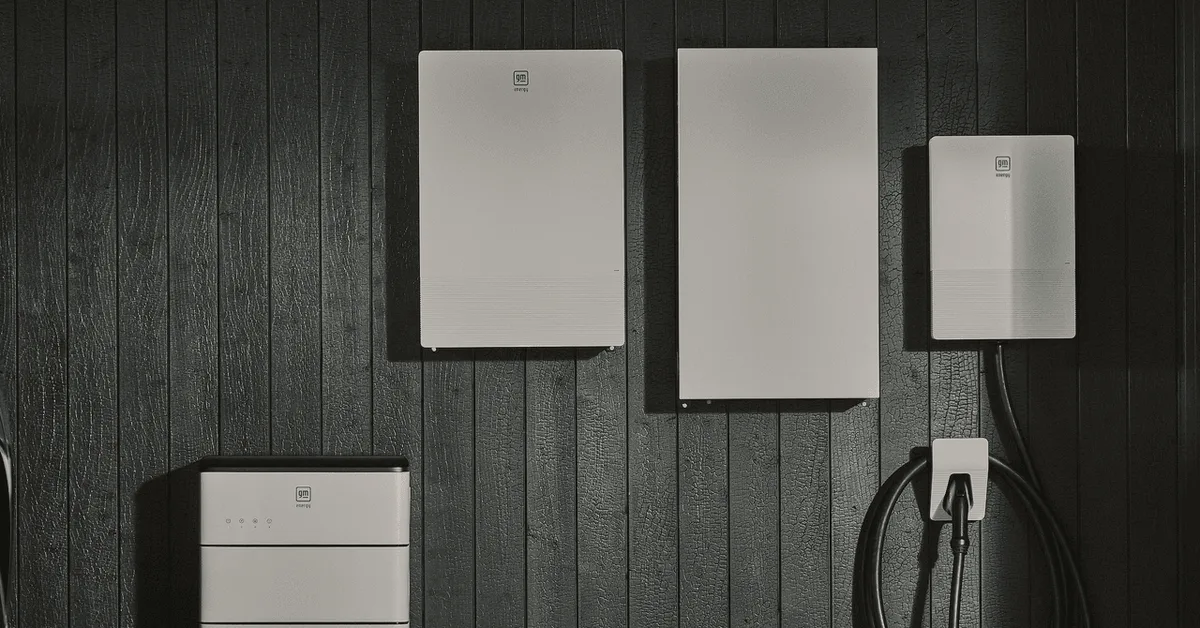
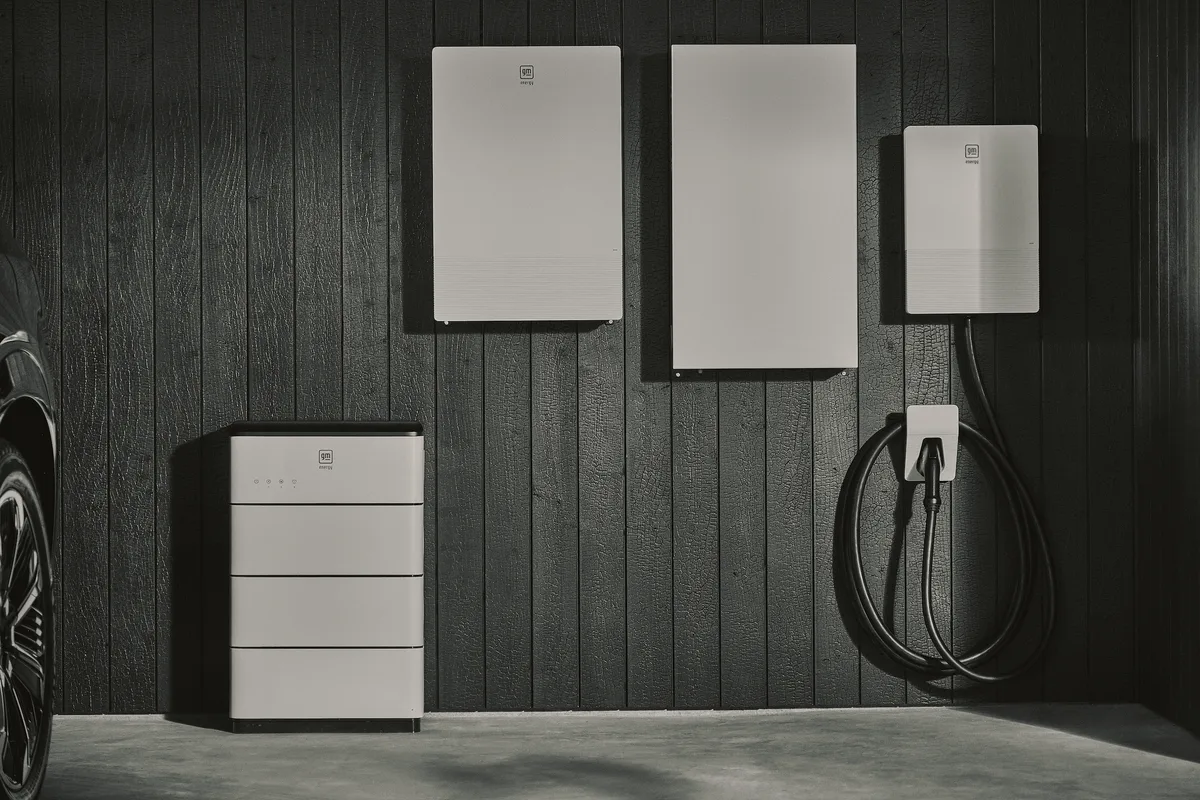
Owners interested in using their EVs to power their homes or provide services to the grid must purchase a $20,000 home vehicle-to-grid power system from GM Energy and gain cooperation from their local utility [1]. GM envisions a "buy low, sell high" approach where EV owners charge vehicles when electricity prices are low and discharge electricity back during peak demand times to earn money [1, 2].
GM estimates its current fleet of bidirectional EVs could supply enough power to run roughly 120,000 homes for one week or power all of San Francisco for a full day [2]. The company emphasized that supporting the grid with EVs would not be a daily demand but could be called upon for as many as 20 peak periods a year [2].
Rising energy demand in the US, partly driven by the rapid growth of electricity-hungry AI data centers, increases the urgency for grid support solutions. Kurt Kelty, GM’s Vice President of Battery and Sustainability, said, "We've never had such a high growth rate in electricity for probably a hundred years or so. That's partly being driven by the AI data center growth" [2].
On August 25, GM publicly urged utilities, regulators, and automakers to collaborate on vehicle-to-grid programs to simplify customer enrollment and develop supporting incentives and rate structures [2].
The expanded software rollout and ongoing regulatory engagement aim to accelerate the integration of GM’s bidirectional charging EVs into grid management and home power systems.