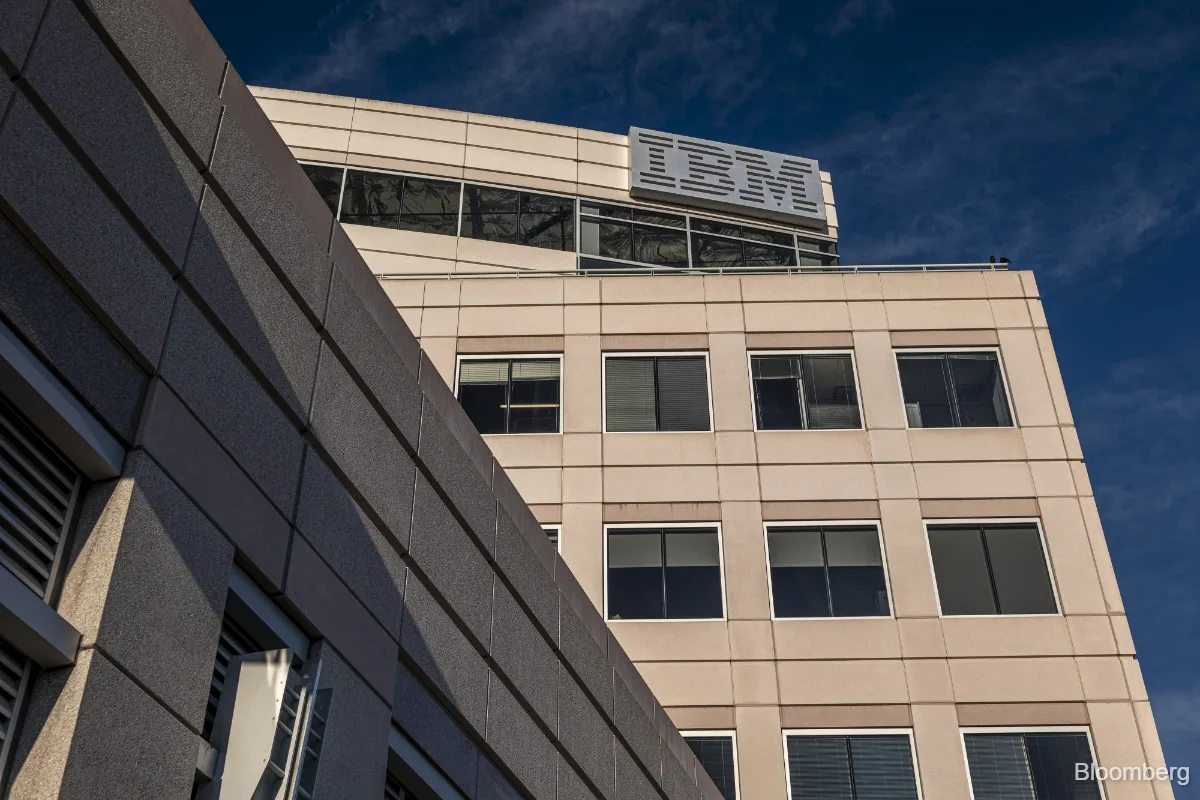
IBM reported a 42% drop in sales of its mainframe computers in the second quarter of 2026, contributing to a lowered full-year revenue growth outlook of 4%-5%, down from over 5% previously [1, 2, 3, 4]. The company’s total revenue for Q2 rose 1% year-on-year to about $17.2 billion, but slower growth in mainframe and infrastructure software sales weighed on overall results [1, 2].
CEO Arvind Krishna said the company sees no evidence customers are abandoning the mainframe platform despite the sales decline, stating, "We see no evidence of clients moving off the mainframe" [1]. He also acknowledged execution issues in Q2, saying in Mandarin, "我們有好的產品組合,也有好的未來機會,剩下就是執行問題,這正是我們第二季表現欠佳之處" (We have good product mix and future opportunities; the issue is execution, which explains our weak Q2) [3].
Some customers have delayed mainframe purchases as AI infrastructure demand pushes spending toward newer hardware, squeezing traditional budgets [3, 4]. IBM plans to accelerate cost-saving programs to add $1 billion in free cash flow this year and expects headcount to remain about flat for 2026 [1]. Its software segment is forecast to grow 6%-8% in sales this year [1, 2].
IBM shares plunged 25% on July 14, 2026, after the company previewed weak earnings, and continued to decline following the earnings release on July 22 [3, 4, 1].
In contrast, Intel reported strong growth with Q2 revenue hitting $16.13 billion, a 25% rise year-on-year driven notably by a 59% gain in its data center and AI business [5, 6, 7]. Intel CEO Pat Gelsinger said, "I’m pleased to see growing customer interest in Intel 14A and confidence it will be a highly competitive process technology" [6] and credited strong AI hardware demand for the best revenue growth in over 15 years [7]. Intel plans to boost capital expenditures beyond $20 billion in 2026 [7].
3M also reported a 2.4% revenue rise to $6.5 billion in Q2 and raised its full-year sales guidance [8].
IBM’s next major event is its full-year 2026 earnings report and execution of its cost-saving plan to improve free cash flow before year-end [1].