India officially lifted its wheat export ban on August 24, allowing immediate shipments of wheat, durum wheat, wheat flour, and related products to resume after nearly four years of restrictions [1, 2, 3]. The country had imposed the ban in 2022 citing food security concerns following Russia’s invasion of Ukraine, which disrupted global grain supplies and caused widespread shortages [1, 2, 3].
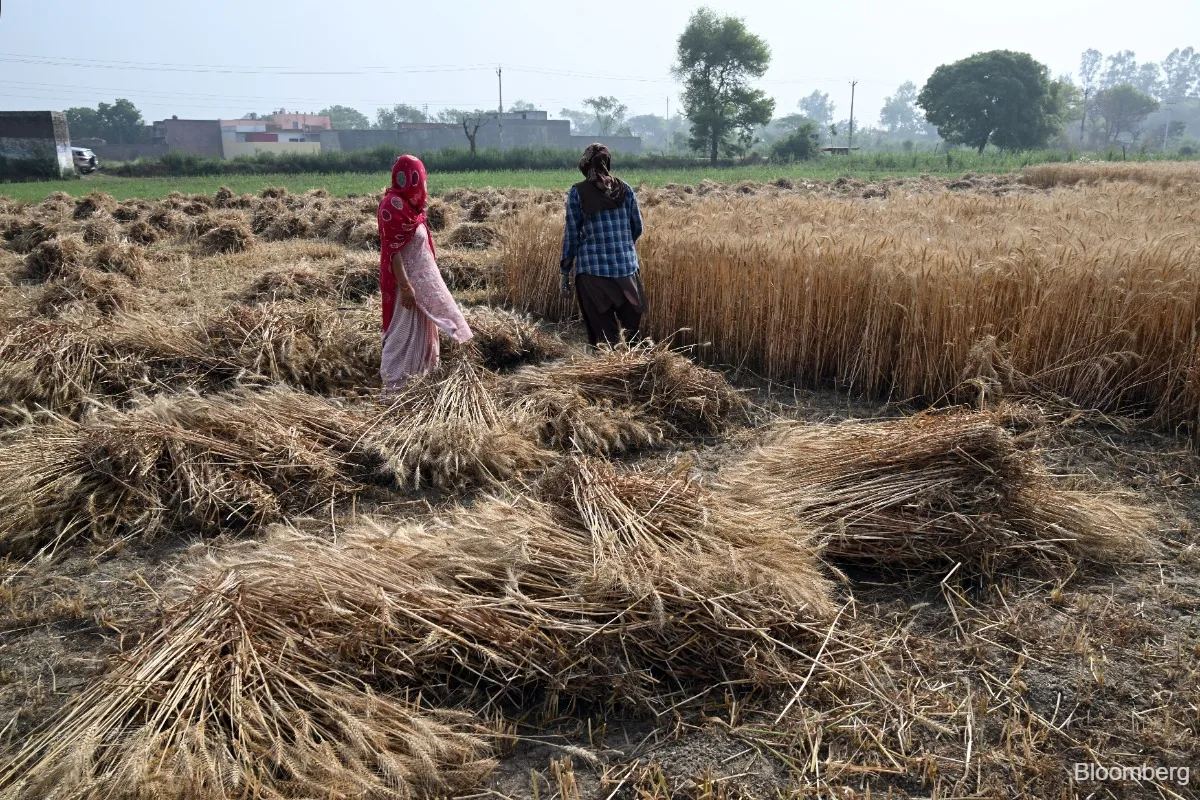
India is the world’s second-largest wheat producer, and last year’s crop reached a record high of about 120.6 million tonnes [2, 3]. The large harvest underpinning the decision enabled India to gradually ease export controls, starting with limited exports in February 2026 before fully lifting the ban this month [1, 2, 3].
The export resumption aims to ease supply pressures across Asia, Africa, and the Middle East, where import-dependent countries have felt the impact of tightening wheat availability [2, 3]. Global wheat flows have been severely disrupted by escalating attacks on commercial vessels and ports in the Black Sea driven by the ongoing Russia-Ukraine war [1, 2, 3].
India’s removal of export curbs is expected to help stabilize wheat markets experiencing shortages from the prolonged conflict. The policy change allows for shipments of multiple wheat products, enabling exporters to meet diverse demand in different regions [1, 2, 3].
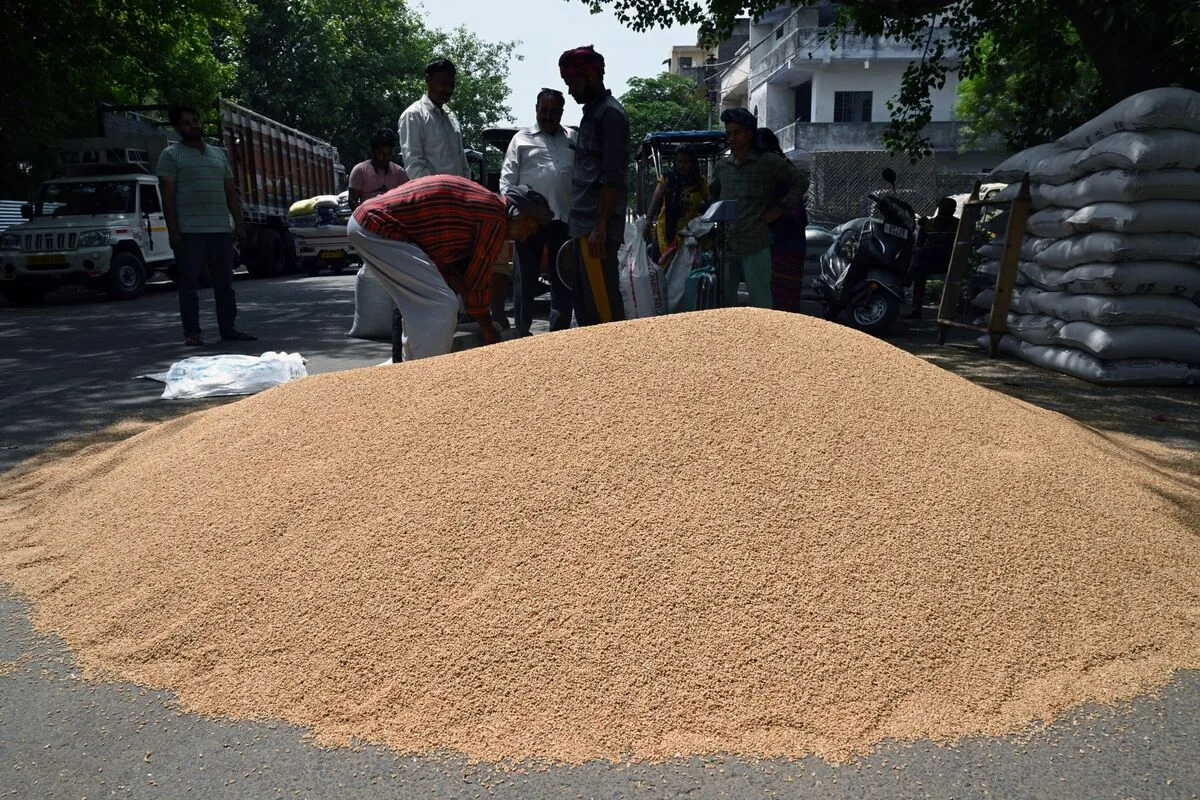
As of now, shipments can commence immediately following the ban’s lift, with exporters ready to engage global buyers facing tightening supplies amid geopolitical turmoil. India’s wheat export status will be closely monitored in the coming months to assess its impact on global food security.
India’s decision marks a significant policy shift after maintaining a near-total export ban since 2022. The government has cited record harvests as a key driver behind its move to support international wheat supplies amid continuing conflict-related disruptions.