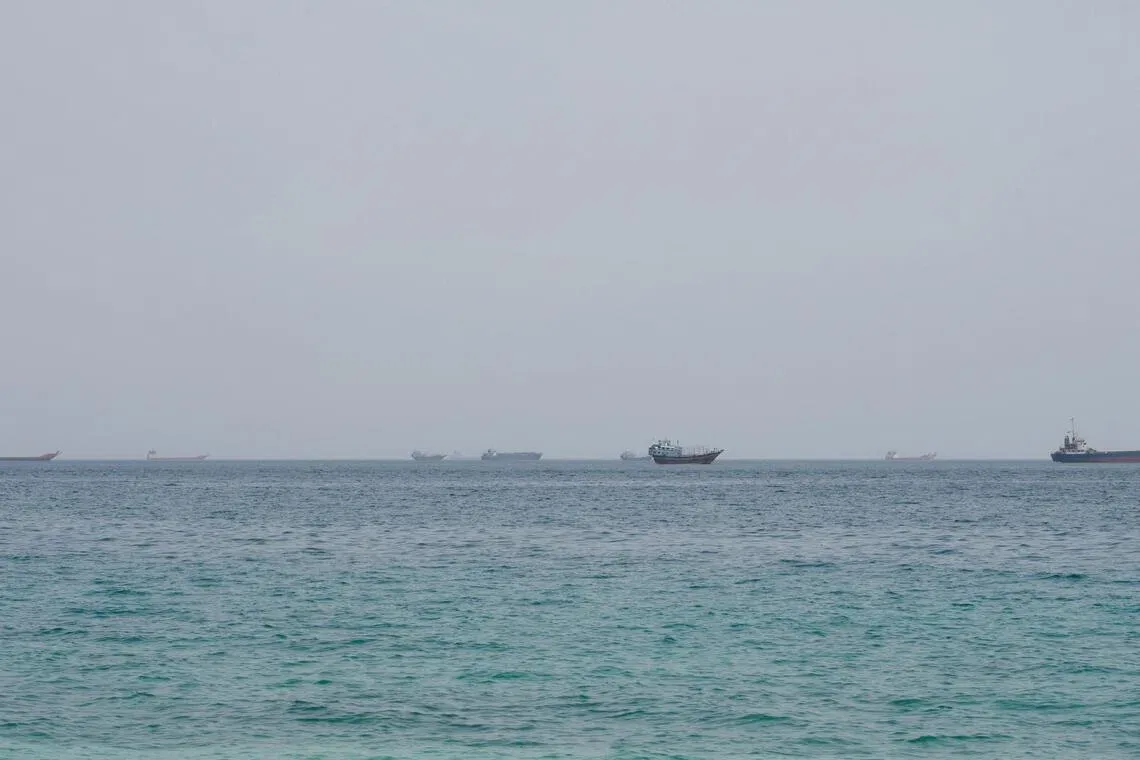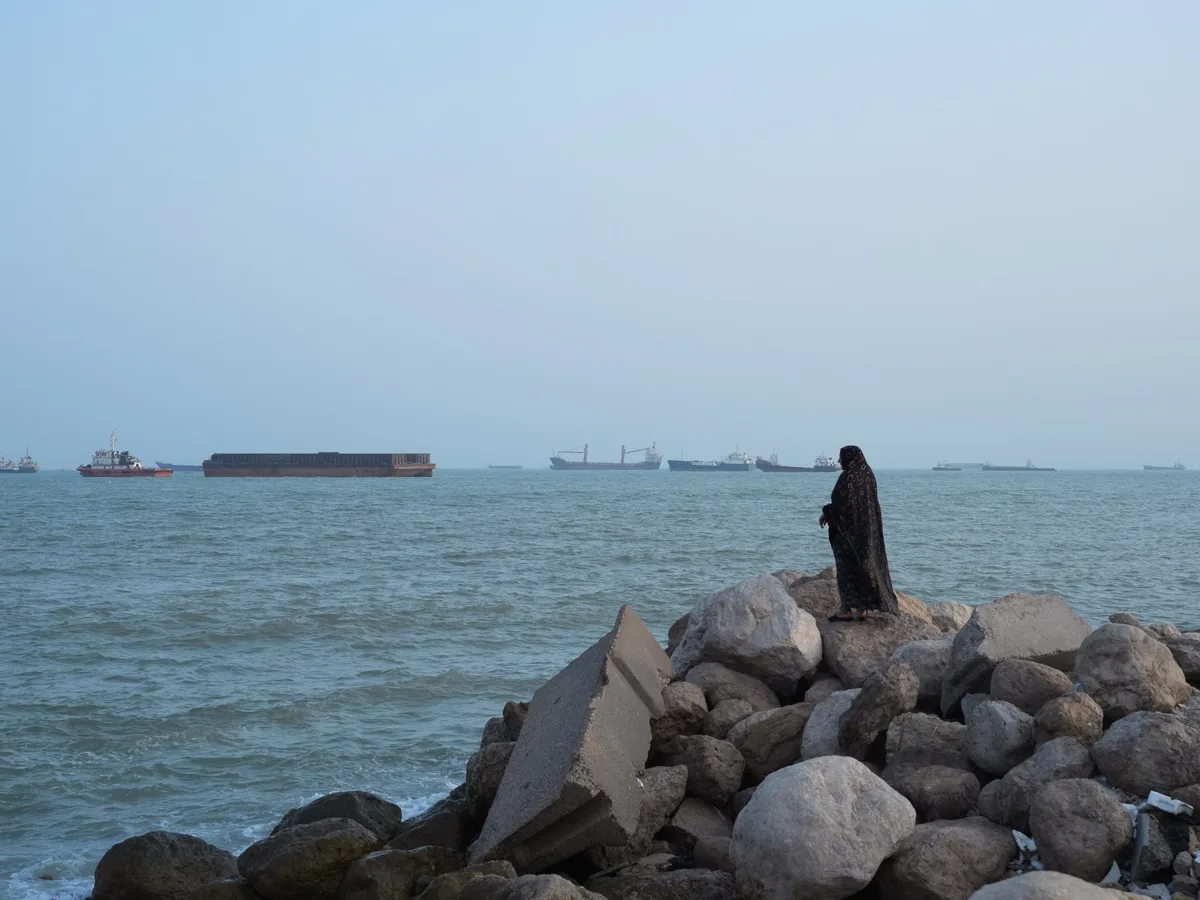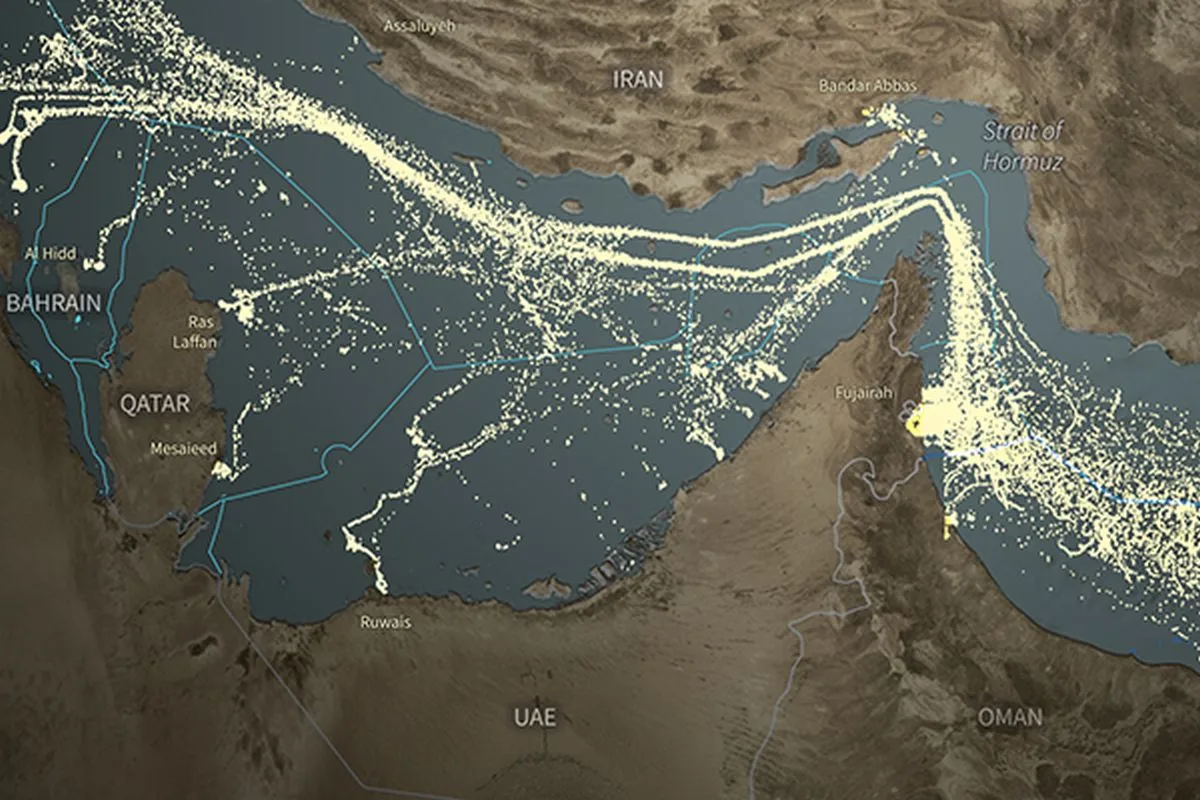
Iran claims the Strait of Hormuz is under its exclusive control, stating that only Tehran has the authority to open or close the vital waterway, which before the conflict accounted for around one-fifth of world oil and LNG shipments [1, 2, 3, 4, 5]. Hossein Taeb, commander of Iran’s Basij Organisation, declared, "Today you see that the Strait of Hormuz is under the management and control of the Islamic Republic, and our country continues on its path in complete security" [3]. Iran’s joint military command has emphasized that no vessel can transit the Strait without Tehran’s permission [1, 3].
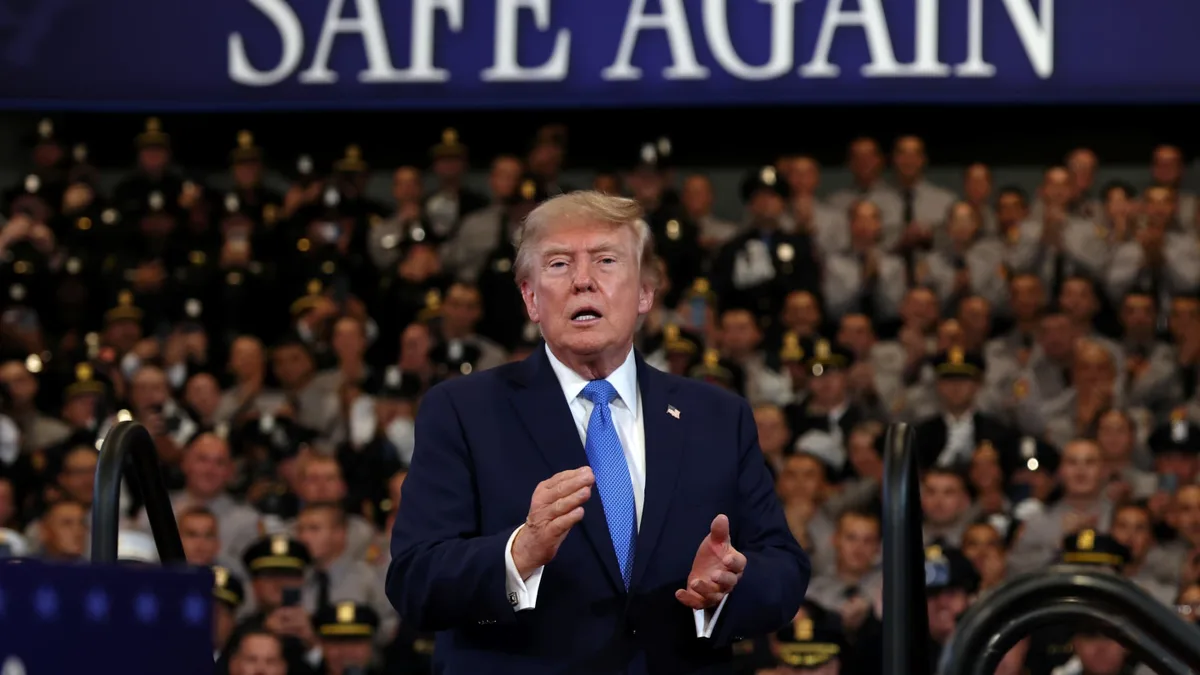
US President Donald Trump challenged Iran’s claim on August 14 by stating he might declare the Strait a US territory after defeating Iran in the ongoing war: "Pretty soon I'll be declaring the Hormuz Strait a territory of the United States. It’s true," he said [2]. A White House official later said this remark was made jokingly [2]. Despite this, the US maintains it has 'total control' of the Strait and has imposed a naval blockade on Iranian shipping and ports while asserting it will protect freedom of navigation for vessels bound for non-Iranian ports [1, 3, 5].
The conflict intensified after the US and Israeli strikes on Iran began on February 28, 2026, marking the start of war and Tehran’s effective blockade of the Strait [1, 3, 5]. An interim ceasefire reached in June 2026 aimed to restore freedom of navigation, but collapsed weeks later after Iran resumed attacks on vessels in the passage, prompting retaliatory US strikes on southern Iranian provinces [1, 2, 3, 5].
In mid-August 2026, attacks on vessels linked to the UAE’s state oil company ADNOC occurred within the Strait, with the UAE blaming Iran [2]. On August 15, the UK Maritime Trade Operations Centre reported a bulk carrier in the Strait was struck by an unknown projectile, further escalating tensions [5].
Iran’s Deputy Foreign Minister Kazem Gharibabadi reaffirmed Iran’s position on August 15, stating, "The Strait of Hormuz has been Iranian, is Iranian, and will remain Iranian; this strait will only be closed and opened under Iran’s command" [5]. He added, "The Strait of Hormuz could be seized neither by social media posts, aircraft carriers, official orders nor campaign speeches," declaring Iran will not be intimidated by threats [4].
Iran demands the US end what it calls 'war and aggression' against Iran and its allies, lift sanctions, release frozen assets, and pay wartime damages before reopening the Strait [2]. Meanwhile, negotiations between the US and Iran have not resumed; Qatar and Pakistan are acting as intermediaries to exchange messages [5].
US President Trump also warned Americans to expect slightly higher gasoline prices amid US measures to punish Iran [5]. Rasoul Sanaei-Rad, a senior Iranian military political official, said, "In a possible future war, we will stand more firmly and more offensively," signaling Iran’s resolve to maintain its blockade [1].