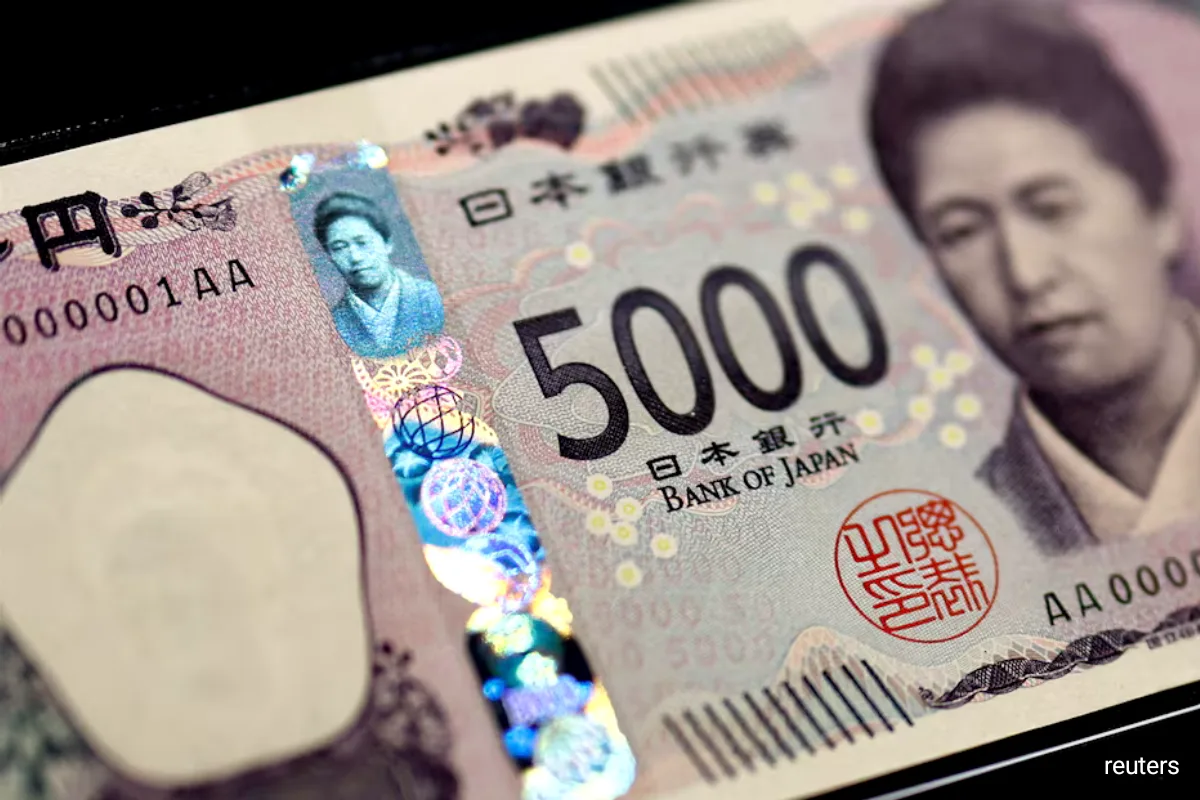
The Japanese yen weakened to 162.41 against the US dollar on June 30, 2026, the lowest intraday rate since 1986 [1, 2]. The yen breached the 160 mark multiple times in recent days, closing in on a 40-year low as falling currency values intensified pressure on Japan’s import costs and inflation [1, 3, 4].
The Bank of Japan (BOJ) raised its benchmark interest rate to 1% on June 16, the highest level since 1995, but the move did little to stem the currency’s decline amid a widening interest rate gap favoring the US dollar [1, 3, 5]. Analysts say the US Federal Reserve’s continued hawkish stance and prospects for further hikes have kept the dollar buoyant. "The market has moved to price in a higher chance of the Federal Reserve hiking rates," said Lee Hardman, senior currency analyst at MUFG [2].
Japanese authorities spent a record 11.7 trillion yen on currency intervention during April and May in an effort to support the yen, but the impact quickly faded as market forces prevailed [2, 3]. Intervention speculation remains elevated ahead of low liquidity periods, such as the US Independence Day holiday in early July. Carol Kong, strategist at Commonwealth Bank of Australia, noted, "With US markets closed for the Independence Day celebrations, currency liquidity will be thin — an ideal time to have a large impact on the market."
The yen briefly strengthened in early July, crossing back into the 160 yen per dollar range amid intervention fears and weak US payroll data but remained vulnerable [6, 7, 8]. Derek Halpenny of MUFG said, "We have payrolls and a holiday, liquidity conditions will be thin, so markets are nervous about potential intervention." However, Andrew Hazlett, a trader at Monex Inc., cautioned, "Intervention is right around the corner if we don’t see a quick correction. Still, intervention is only a temporary fix if they do not address the interest-rate differential." [1]
The weaker yen has boosted Japanese exporters’ profits and driven stock markets to record highs while raising costs for energy imports, squeezing household budgets [1, 3, 4]. Meanwhile, Japanese companies took advantage of the currency environment to issue a record $54 billion in foreign currency bonds during the second quarter of 2026 [9].
The BOJ’s next policy meeting is expected to monitor these dynamics closely amid external pressures to tighten further, while market watchers look for signs of renewed intervention around significant US holidays and low liquidity periods.