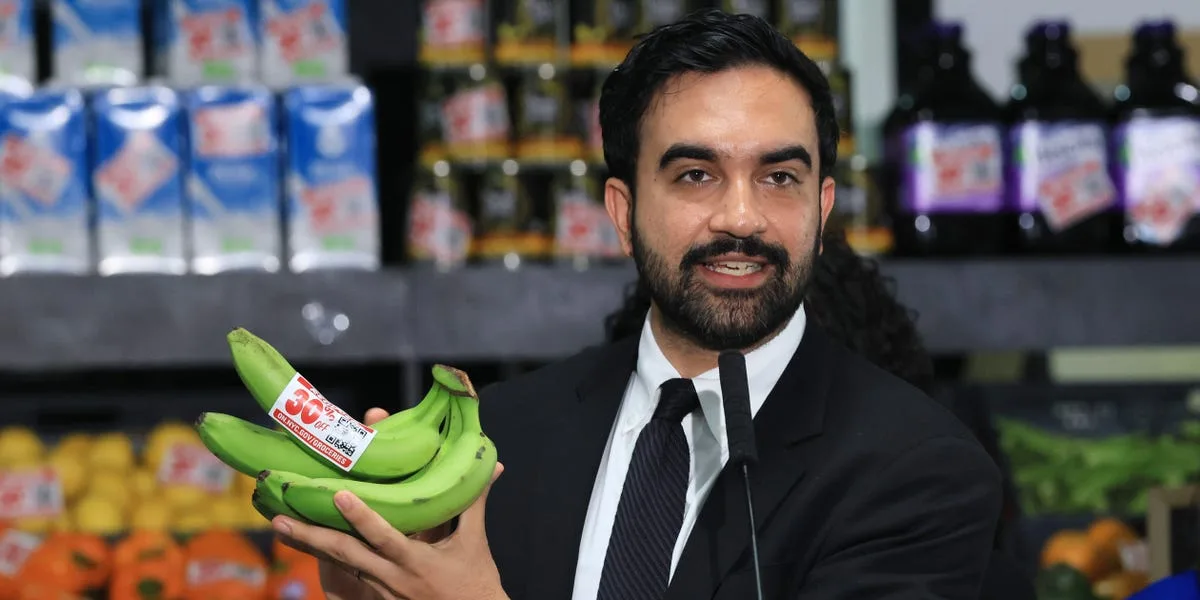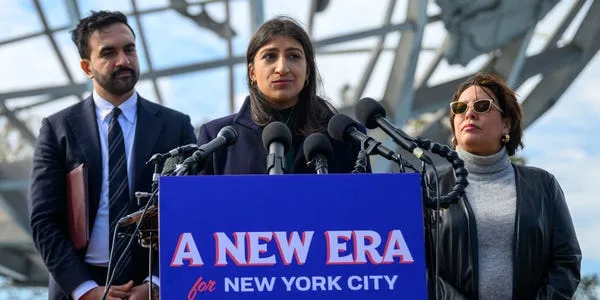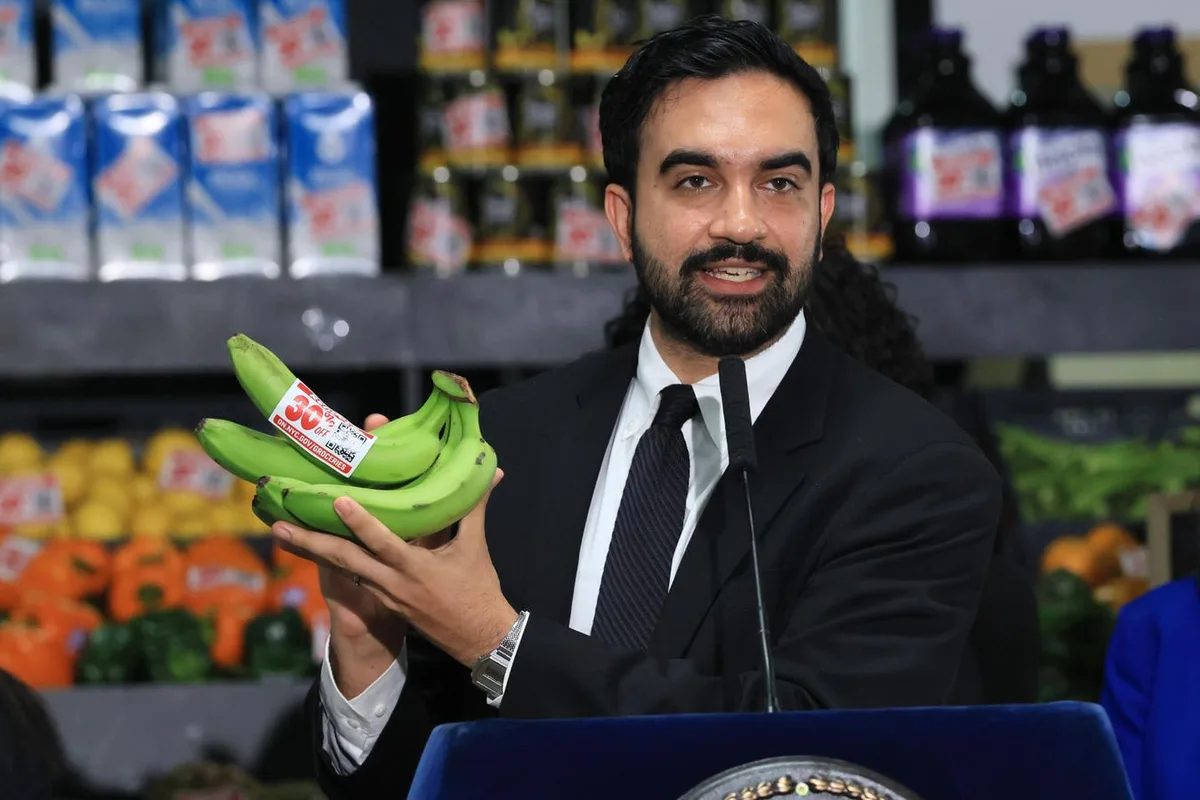
New York City will open five city-run grocery stores, one in each borough, beginning with the Bronx by the end of 2027 and a second location in East Harlem by 2029 [1, 2]. The stores will offer a core basket of staple foods, including fresh produce, meat, seafood, dairy, bread, and about 20 other key items, at prices 30% below typical retail levels [1, 2, 3].
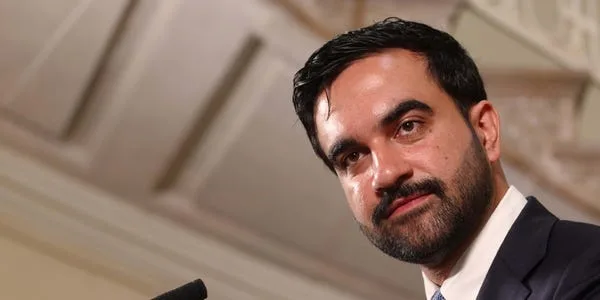
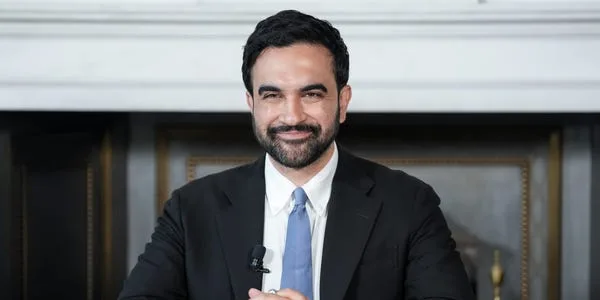
The city plans to lock grocery prices monthly to avoid weekly fluctuations and unexpected high costs at checkout. Mayor Zohran Mamdani said, "The savings will last for the entire month. That means no weekly fluctuations nor sticker shock at the checkout line; not for our seniors living on fixed incomes nor for the parents who rely on a regular supply of apple slices to keep toddler tantrums at bay" [2].
Operating the stores on government-owned property allows the city to avoid rent and property taxes, lowering overhead compared to private competitors [1, 3]. The overall New York City budget totals $124.7 billion, with $70 million allocated to launch the grocery stores [1, 2]. The stores will be subsidized by municipal funds, meaning any financial shortfalls will be covered by New York City taxpayers [1, 3].
The plan aims to provide local jobs operating under a Labor Peace Agreement that guarantees benefits and family-sustaining wages to workers [2]. The stores will introduce a private label brand called "NYC Groceries" across various product categories [2].
Grocery prices in US cities have risen between 25% and 33% since 2019, outpacing overall inflation during that period [2, 3]. The city estimates that New Yorkers who shop at the discounted stores could save about 15%, or roughly $90 per month—around $1,000 a year [2, 3].
Critics argue the savings may be illusory because the subsidies will come from taxpayers. Adam Lehodey, a policy analyst at the Manhattan Institute, said, "The 30% savings that Mamdani announced on his government-owned stores are an illusion. Taxpayers will foot the bill for millions of dollars in subsidies, and they will operate on government-owned land with rents waived. New Yorkers will still be paying the full price, just indirectly" [3]. Richard Stern of the Plymouth Institute for Free Enterprise also noted, "They're just going to use New York City budget money to insure the discount" [3].
The first store is scheduled to open in the Bronx by December 31, 2027, followed by an East Harlem location at La Marqueta in 2029 [1, 2].