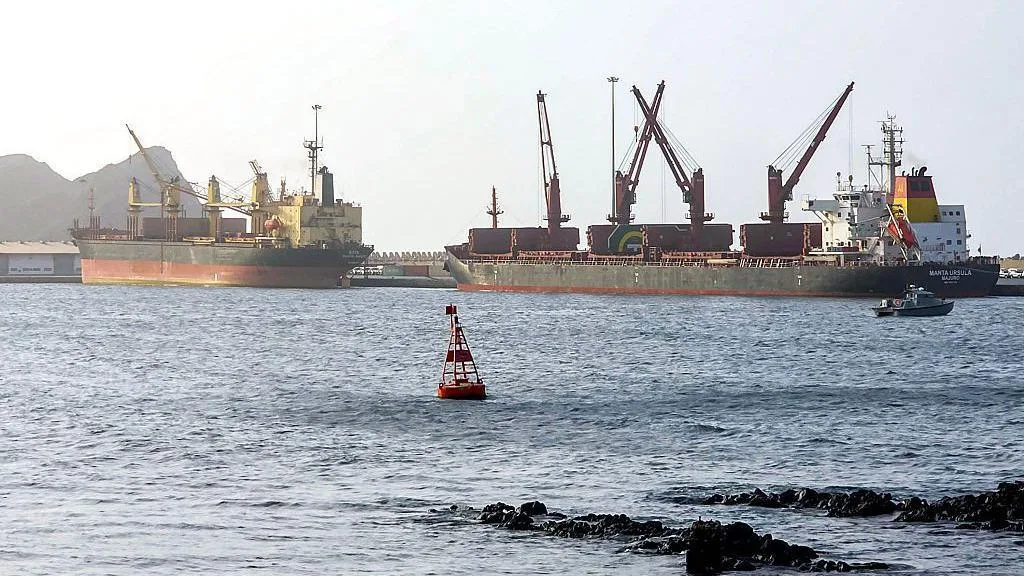
US President Donald Trump ordered a pause in military strikes against Iran starting late July 24, 2026, after 13 days of daily attacks. Iran's military responded by suspending its retaliatory actions [1, 2, 3, 4, 5, 6].
This halt in hostilities triggered a sharp drop in oil prices, with Brent crude falling more than 6-9%, slipping below $90-$91 a barrel on July 26-27, down from highs above $100 earlier in July. West Texas Intermediate crude also fell below $84 per barrel [1, 2, 3, 4, 5, 6]. The initial surge in oil prices came after the collapse of a ceasefire in early July and escalating attacks on shipping routes, including the Strait of Hormuz and the Red Sea [1, 2, 4, 7].
The conflict began in early July when Iran attacked commercial vessels and the US retaliated with strikes on Iranian military targets [7]. During the fighting, Iranian-backed Houthi militants launched attacks on Saudi oil facilities and tankers in the Red Sea, adding to regional instability [1, 2, 4, 8].
Iran and Oman have been holding talks aimed at reducing disruptions to shipping through the Strait of Hormuz, though details remain unclear. Iran reportedly insists on fully controlling inbound shipping lanes and part of outbound routes, rejecting Oman's 50-50 control proposal [3, 9, 8]. Scott Shelton, energy specialist at TP ICAP Group Plc, said, "I don’t think the Middle East is ‘solved’. There needs to be real evidence of oil moving through the Strait of Hormuz, which I think has yet to happen" [9].
Oil markets remain volatile. After the pause, Iran fired missiles at US forces on July 28, prompting retaliatory strikes by US and Saudi forces against Iran-backed militias in Iraq. This caused oil prices to spike 3-5% before settling [9, 10]. On July 29, prices held most of the recent decline amid ongoing talks, but key shipping lanes remain restricted [8].
US commercial crude inventories and the Strategic Petroleum Reserve declined significantly during the conflict, with the reserve falling to its lowest level since 1983, tightening supply [7, 11]. The conflict has contributed to global inflation pressures through higher fuel and food prices caused by rising energy costs [1]. Soybean oil futures, closely linked to crude through biofuel uses, also fell sharply, with a 2.1% intraday decline on July 27 [12].
Bart Melek, global head of commodity strategy at TD Securities, said, "Markets have jumped the gun on hopes of renewed peace, especially considering Iran’s insistence on controlling the strait under any potential deal. We continue to see reduced flows and global tightening of the energy market as supportive of further upside in crude oil" [11].
The pause in strikes began on July 24, with the subsequent fall in oil prices on July 26-27. However, missile attacks on July 28 and ongoing discussions have sustained volatility. Markets remain cautious amid no confirmed reopening of the Strait of Hormuz to regular shipping [1, 9, 8, 11].
The next key developments will hinge on negotiations between Iran and Oman and any changes to shipping flow through the Strait of Hormuz.