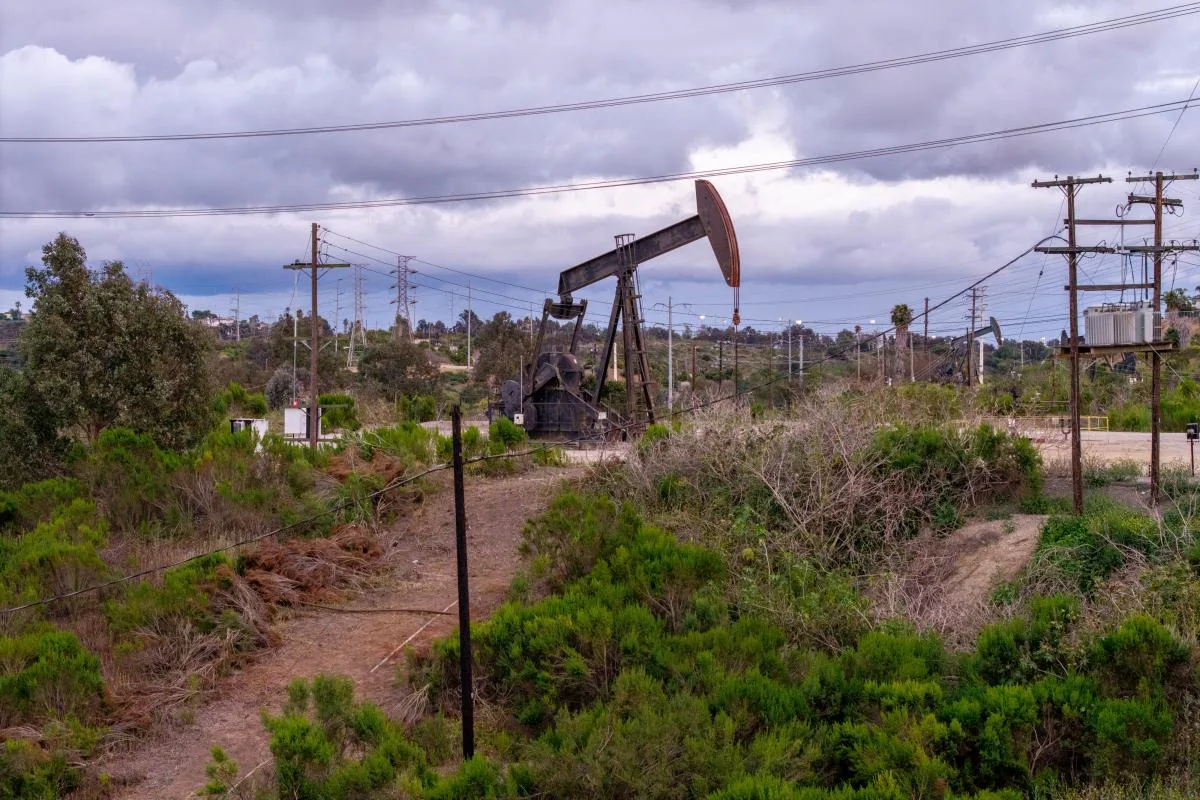
Oil prices surged between 20% and 23% in July 2026 as escalating conflicts between the US and Iran disrupted supply in the Middle East [1, 2, 3, 4]. West Texas Intermediate crude traded near $82 to $84 per barrel and Brent crude hovered around $88 to $90 per barrel by the end of the month [1, 5, 2, 3, 4].
The spike in oil prices came amid heightened military actions, including US and Saudi Arabian airstrikes targeting Iran-backed groups in Iraq. Iran responded with missile attacks on US bases and ships, further intensifying regional instability [1, 5, 2, 3, 4]. Meanwhile, Saudi Arabia held talks with 43 nations about forming a multinational alliance to secure navigation through the Red Sea and counter an Iran-backed Houthi blockade [1, 2, 3, 4].
Shipping through the Strait of Hormuz experienced fluctuations but showed signs of increased activity by late July despite the tensions and sporadic blockades [1, 2, 3, 4]. US crude inventories fell to multi-year lows amid strong demand and supply disruptions, adding to market supply concerns [5]. John Kilduff, partner at Again Capital, said, “The market is rapidly pricing in the enhanced risk to supplies in the region once again” [5].
The International Monetary Fund cautioned that ongoing oil supply shocks in the Middle East could pose a modest risk of tipping the global economy into recession if the Strait of Hormuz remains blocked [1, 2]. Meanwhile, Federal Reserve officials faced added pressure in late July to balance these inflation risks when deciding on monetary policy.
The Fed began its two-day policy meeting on July 28, 2026, with market expectations pointing to a 64% chance of holding interest rates steady and a 35-40% chance of a 25 basis point hike [6, 7, 8, 9, 10]. Renewed tensions and rising energy costs complicated the outlook, even after US consumer price inflation showed some easing in June [6, 11, 8, 9, 10]. Fed Chair Kevin Warsh said the central bank has “a resolute commitment to restoring price stability and no tolerance for persistently elevated inflation,” while providing limited forward guidance amid uncertainty [11, 7, 8, 9].
Rogier Quaedvlieg, senior US economist at ABN Amro, noted that officials see two possible paths: inflation improving soon so rates remain on hold, or inflation proving stickier due to energy prices and AI-driven demand, requiring some further tightening [10]. Carolyn Kissane, associate dean at NYU Center for Global Affairs, described the conflict as “a real wait-and-see” over whether hostilities will escalate further or remain limited [3].
The US and Saudi Arabia’s joint airstrikes and Iran’s missile counterattacks on July 30 marked a significant escalation in hostilities [1, 5, 2, 3, 4]. Market observers continue to watch shipping activities and geopolitical tensions closely.
The next Federal Reserve interest rate decision was scheduled for the conclusion of its July 28-29 meeting, where policymakers must weigh high inflation risks against economic growth concerns amid global uncertainty.