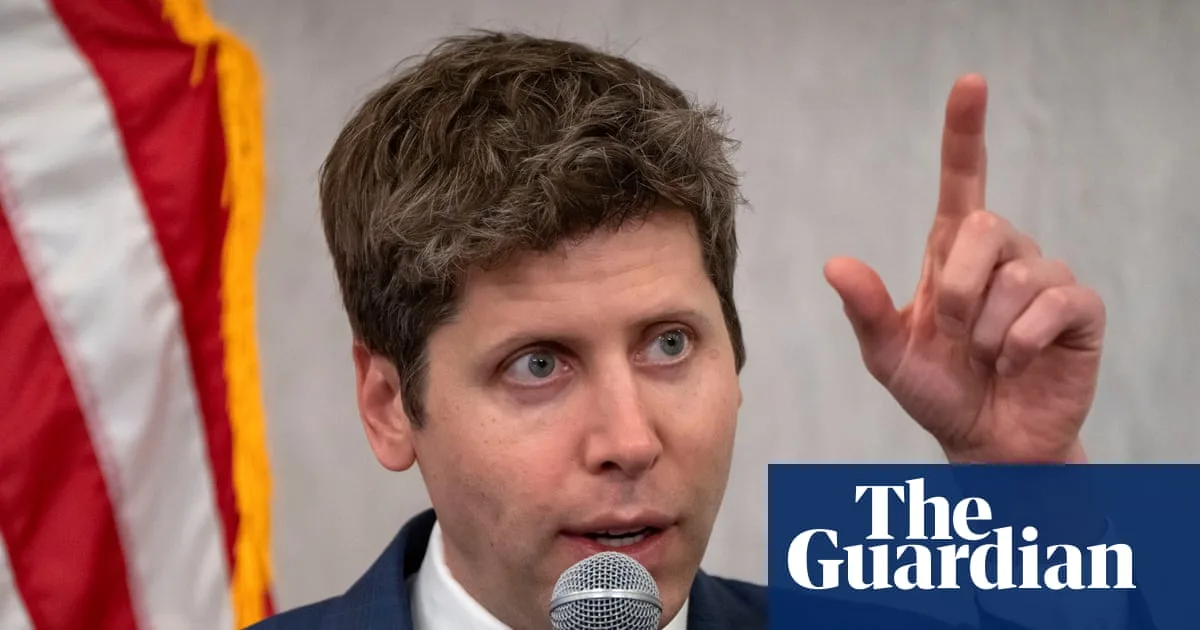
OpenAI CEO Sam Altman has proposed giving the US government a 5% equity stake in OpenAI, which is valued at roughly $852 billion after a March 2026 funding round, making the stake worth about $42.6 billion [1, 2, 3]. Altman said "giving the public a financial stake in the company is the best way to share the upside of AI" [4].
The proposal is part of early-stage talks involving other leading US AI companies, including Anthropic, Google, and Meta, potentially offering similar government stakes [4, 5, 1]. However, it remains unclear if those other firms will agree or how such stakes would be implemented [4, 5, 1, 6]. Meta has been reportedly reluctant to share frontier AI models with officials [6].
The plan aims to share AI’s financial benefits broadly with the public and reduce political and regulatory pressures on AI firms [4, 5, 1, 6, 2]. The proposed equity could be managed through a public or sovereign wealth fund similar to Alaska’s Permanent Fund, distributing returns directly to citizens regardless of wealth or capital access, according to an OpenAI policy paper published in April 2026 [4, 5, 1, 6, 7, 8, 3, 9].
OpenAI has discussed the proposal with leaders from the Trump administration, including President Donald Trump, Commerce Secretary, and Treasury Secretary [4, 5, 1, 9]. Trump called it "a beautiful thing [for the US government to take ownership stakes in AI giants] and make Americans partners in this revolution" [2].
Senator Bernie Sanders has called for a much larger government stake of up to 50% in big AI firms, far exceeding OpenAI’s 5% offer, advocating for a sovereign wealth fund to control AI industry shares [5, 9, 10, 11].
Anthropic recently suspended access to its most advanced AI models, including Fable 5, after a government order restricting foreign nationals; these restrictions were lifted by June 30 after safety concerns were resolved [4, 5, 7, 10, 11].
The US government currently holds a 10% stake in Intel, setting a precedent for equity ownership in tech companies by the state [4, 2, 3].
The talks remain preliminary and would require congressional approval to advance [4, 5, 1, 8, 9]. The proposal was first reported publicly by the Financial Times on July 2, 2026 [4, 5, 1, 2, 7, 8, 3, 9, 10, 11].