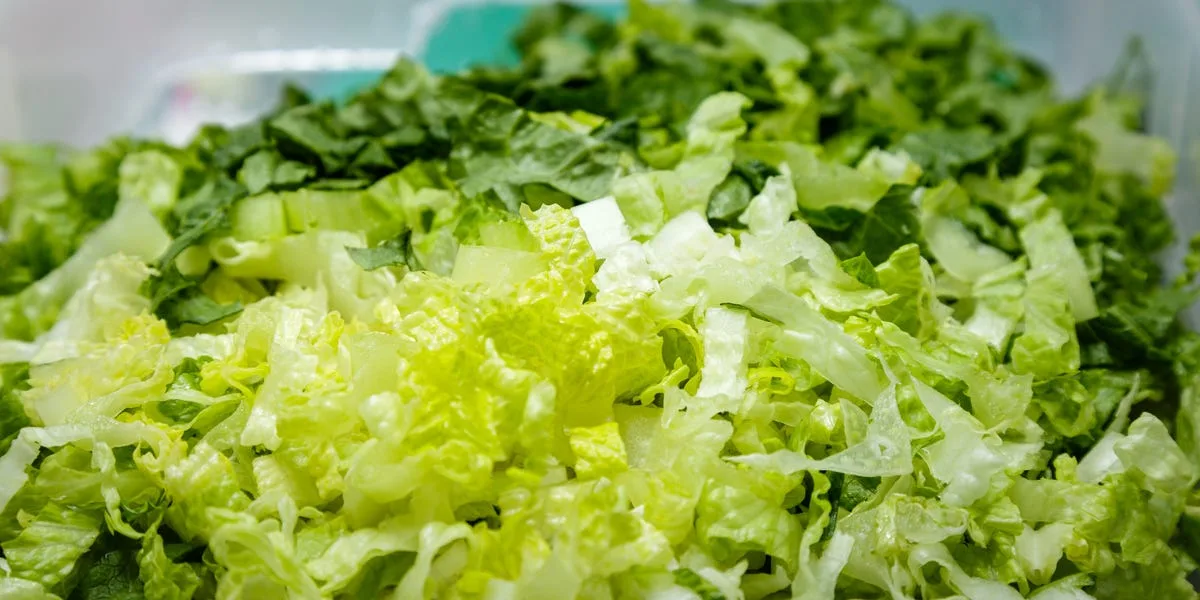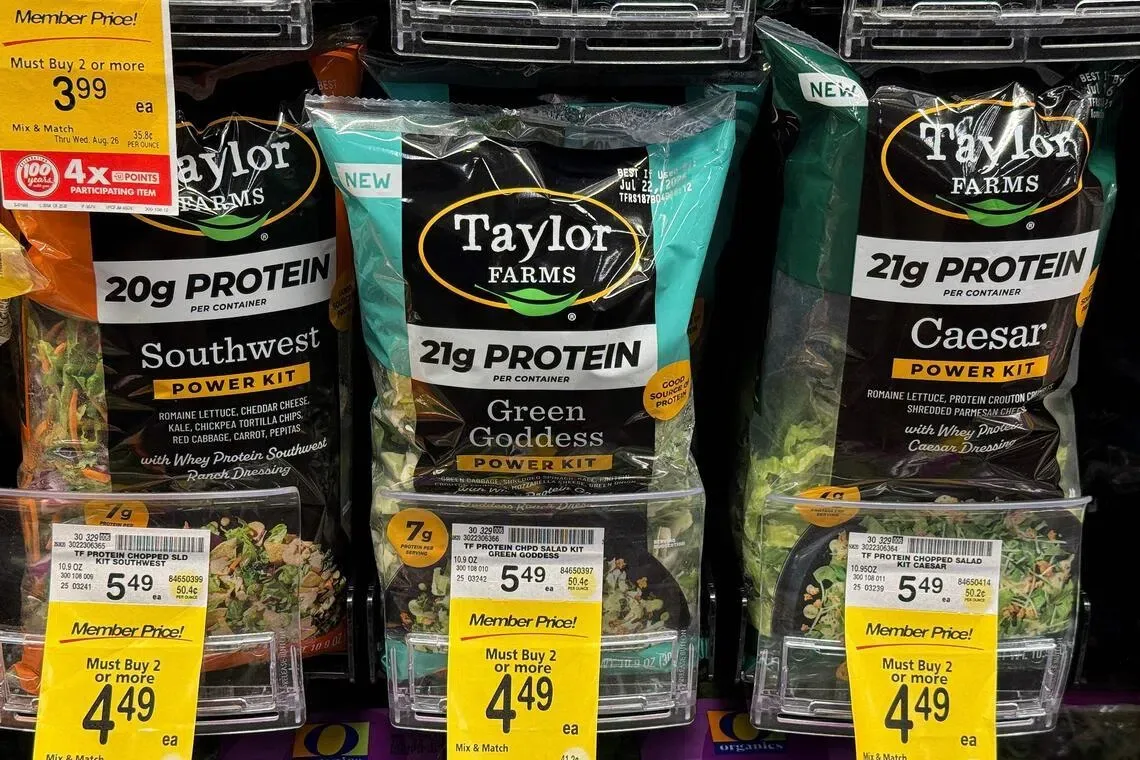
Federal health officials identified shredded iceberg lettuce from Mexico served at Taco Bell restaurants in Indiana, Kentucky, Michigan, Ohio, and West Virginia as the source of a multistate cyclosporiasis outbreak in the United States [1, 2, 3, 4, 5, 6]. Taylor Farms, a California-based supplier with facilities in Guanajuato, Mexico, was identified as the single supplier of the contaminated iceberg lettuce [2, 3, 4, 6].
The outbreak began around May 1, 2026, and has primarily affected Michigan, where health officials reported more than 5,000 cases by mid-July [2, 3, 4]. Overall, more than 7,000 suspected cyclosporiasis cases have been reported in over 30 states this year, with approximately 1,600 linked to Taco Bell [1, 4, 5, 6]. Despite 94 hospitalizations, no deaths have been reported [2, 3, 6].
Cyclospora, the parasite that causes cyclosporiasis, leads to gastrointestinal illness with symptoms including watery diarrhea, stomach cramps, nausea, fatigue, and weight loss [1, 4, 5]. The infection is usually treatable with antibiotics and rarely life-threatening [1, 4].
Taylor Farms produces ready-to-eat salads and supplies many major US supermarket chains and restaurants including McDonald's and Chipotle [4, 6]. On or around July 16-17, 2026, the company voluntarily removed iceberg lettuce sourced from central Mexico from distribution, including from Taco Bell outlets implicated in the outbreak [2, 3, 5]. The FDA identified the shredded iceberg lettuce linked to the outbreak and informed suppliers on July 16 [2, 3, 6].
The FDA and CDC continue to investigate the full scope of contaminated lettuce distribution. The CDC said, "FDA is working with the supplier of iceberg lettuce to determine if potentially contaminated shredded iceberg lettuce remains on the market, including in other states" [1]. Thousands of other cyclosporiasis cases across the country appear unrelated to Taco Bell and may be linked to other contaminated food sources [4, 6].
Taco Bell said it will "continue to closely monitor the situation and follow the guidance of public health authorities" [1]. Customers are adjusting dining choices amid the outbreak; as one fast-casual restaurant diner put it, "But for office lunch ... I'm going a little bit more rogue here" [6].
Investigations and monitoring remain ongoing as authorities seek to fully determine all possible contaminated product batches and verify if additional recalls are needed [1, 2, 5].