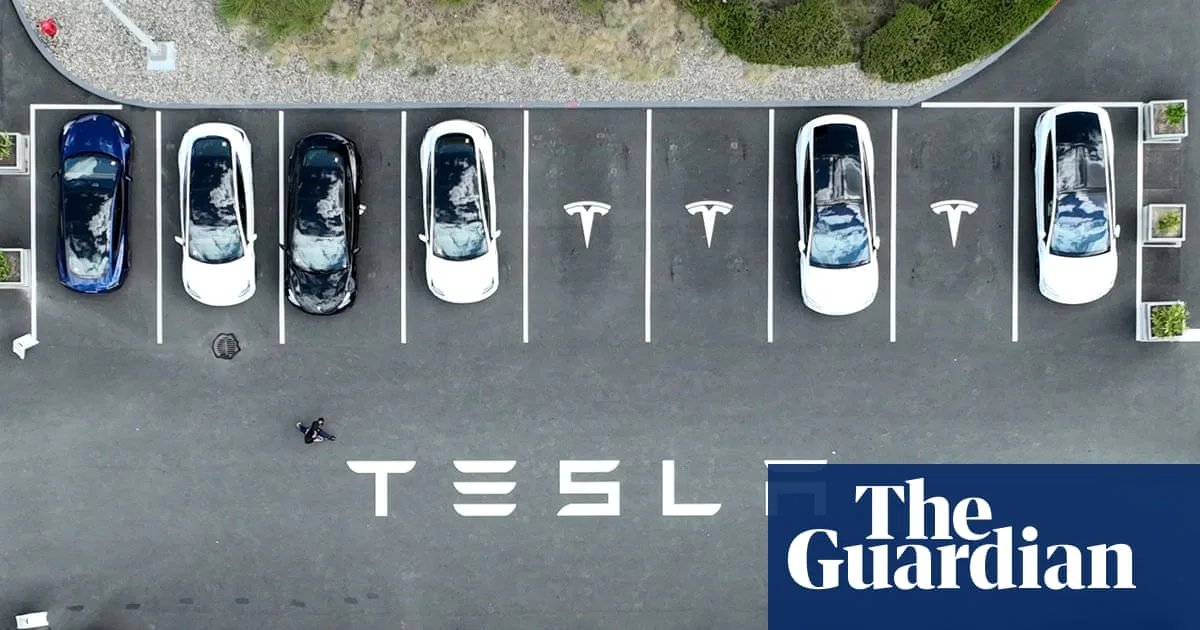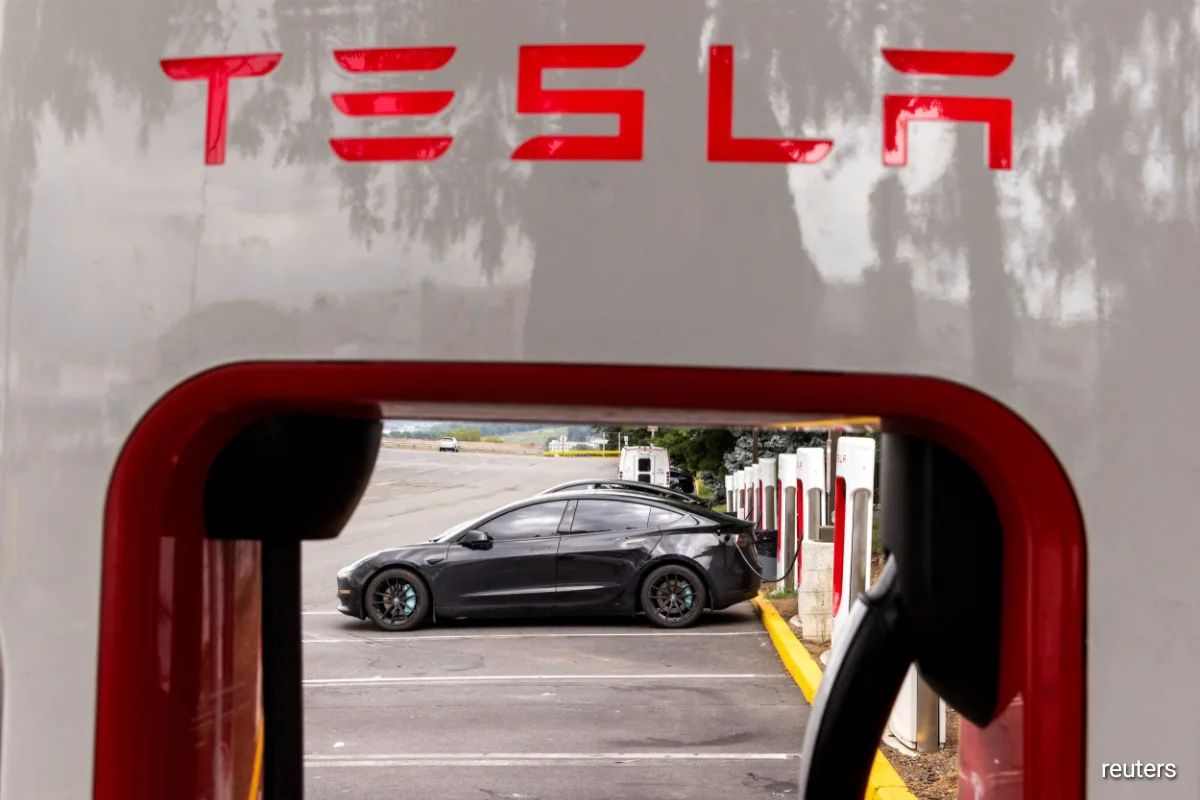
Tesla reported Q2 2026 revenue of approximately $28.2 billion, a 26% increase from the same quarter last year, driven by higher vehicle deliveries and strong demand across markets [1, 2, 3, 4, 5, 6]. The company delivered roughly 480,000 vehicles in the quarter, up about 25% from last year and exceeding Wall Street expectations [1, 7, 3, 5, 6]. Rising fuel prices linked to the US-Iran war boosted electric vehicle demand in Europe, benefiting Tesla’s sales [1, 7, 8].
Despite top-line growth, Tesla’s net profit declined about 5-7% year-over-year to around $1.1 billion in Q2 2026 [1, 2, 3, 4, 5, 6]. Adjusted earnings per share came in between 31 and 33 cents, falling short of analyst estimates near 51 cents [1, 7, 5, 9, 6]. Tesla’s gross margins and overall profitability were pressured by higher operating expenses, falling average selling prices due to the phasing out of Model S and Model X vehicles, and a reduction in regulatory credit revenue [1, 7, 2, 5, 6].
Capital expenditures soared to $5.8 billion in the quarter, more than double the level from a year ago, reflecting Tesla’s ramp-up of investment in AI, robotics, autonomous driving, and Robotaxi services—all still early in their rollout phase [7, 10, 5, 9, 6]. CEO Elon Musk framed 2026 as a "massive capex year," stating, "I’m confident that all the things that we are investing in will yield incredible returns" and emphasizing the need to "spend as fast as we can without it being too wasteful" [7, 9].
Tesla also reported its first quarterly negative free cash flow in over two years, burning about $1.1 billion in Q2 2026 amid the heavy spending [7, 10, 5, 9, 6]. The company reaffirmed its full-year 2026 capital expenditure target above $25 billion, roughly triple 2025’s spending, underscoring its pivot towards advanced technologies and scaling efforts [7, 8, 5, 9, 11].
Tesla’s Robotaxi service currently operates in parts of Austin, Dallas, Houston, and Miami, with plans to expand soon to Tampa and Orlando [1]. However, the shift to emerging technologies appears to weigh on near-term profitability and investor sentiment. Tesla’s share price dropped by 13.5% to 14.5% on July 23, one of its largest single-day declines, following the earnings announcement [1, 10, 8, 6].
Market watchers like Ryan Lee of Direxion said, "Monetization remains the central concern following the earnings miss. The question is how quickly those investments can begin supporting the valuation" [7]. Max Gokhman from Franklin Templeton noted Tesla’s heavy AI spending as critical given its future aspirations: "Tesla is one of the few companies that should be spending more on AI, spending less for them is puzzling" [5].
Tesla’s official statement said the company is "in its largest and most exciting period of investment" and focused on "long-term value creation" through real-world AI, with scaling expected to be "non-linear" [3]. The next major market event involving Elon Musk’s ventures will be SpaceX’s earnings report scheduled for August 4, 2026, its first since the IPO [12].