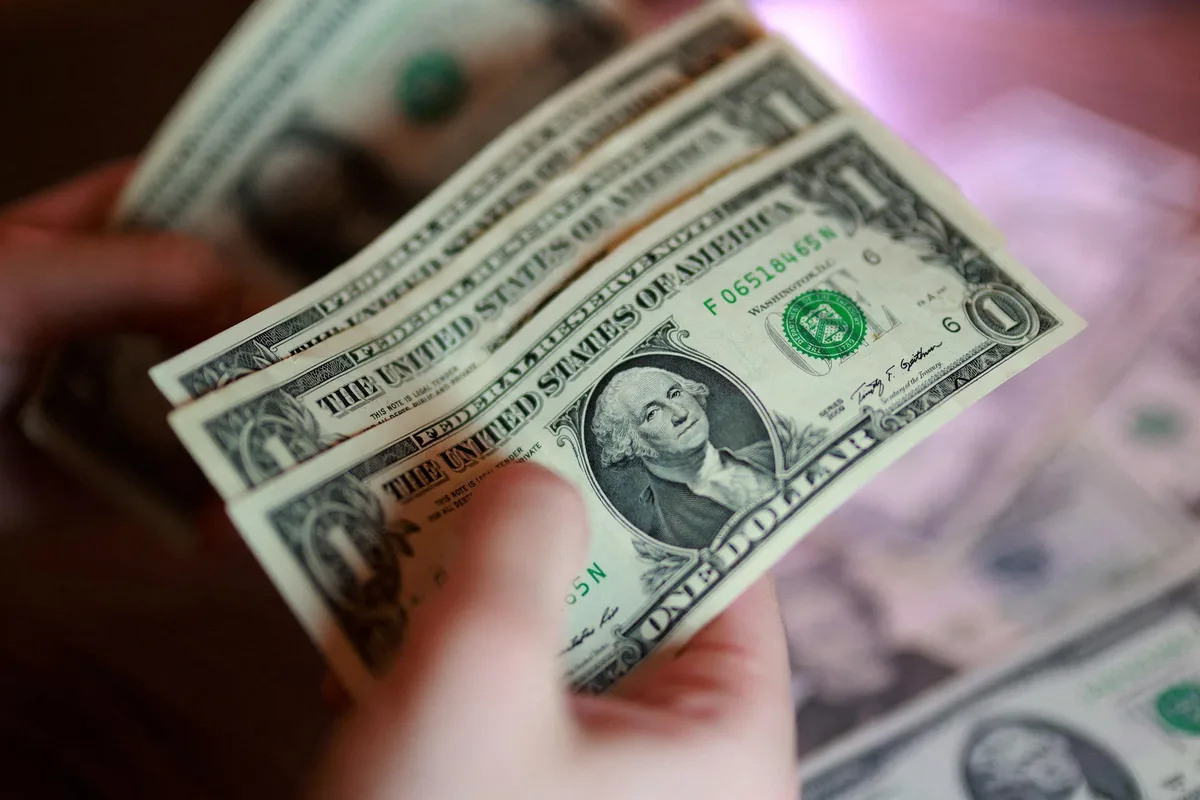
Traders’ net long positions on the US dollar reached nearly $40 billion as of June 30, 2026, the highest level in over a decade, according to Commodity Futures Trading Commission data released on July 6 [1, 2, 3, 4]. The dollar rose about 2% in June 2026, marking one of its best monthly performances in over a year [1, 2, 3, 4].
Market optimism on the US currency is driven primarily by expectations that the Federal Reserve will raise interest rates at least once this year. Andrew Hazlett, a foreign-exchange trader at Monex Inc., said, "Most of the dollar’s strength is coming from the rates narrative" [1]. Jane Foley, head of currency strategy at Rabobank, added that Fed rate hike prospects combined with US economic resilience have boosted the dollar, particularly against a backdrop of growth risks to the Eurozone following disruptions at the Strait of Hormuz [1].
The escalation of the US-Iran and Israeli conflict on February 28, 2026, disrupted the Strait of Hormuz, a vital oil shipping route. This disruption pushed oil prices higher and raised inflation fears, factors that also supported the dollar's rally [1, 2, 5, 3, 4]. Before the war escalation, traders had expected the Fed to cut borrowing costs rather than raise them in 2026 [1, 2, 3, 4].
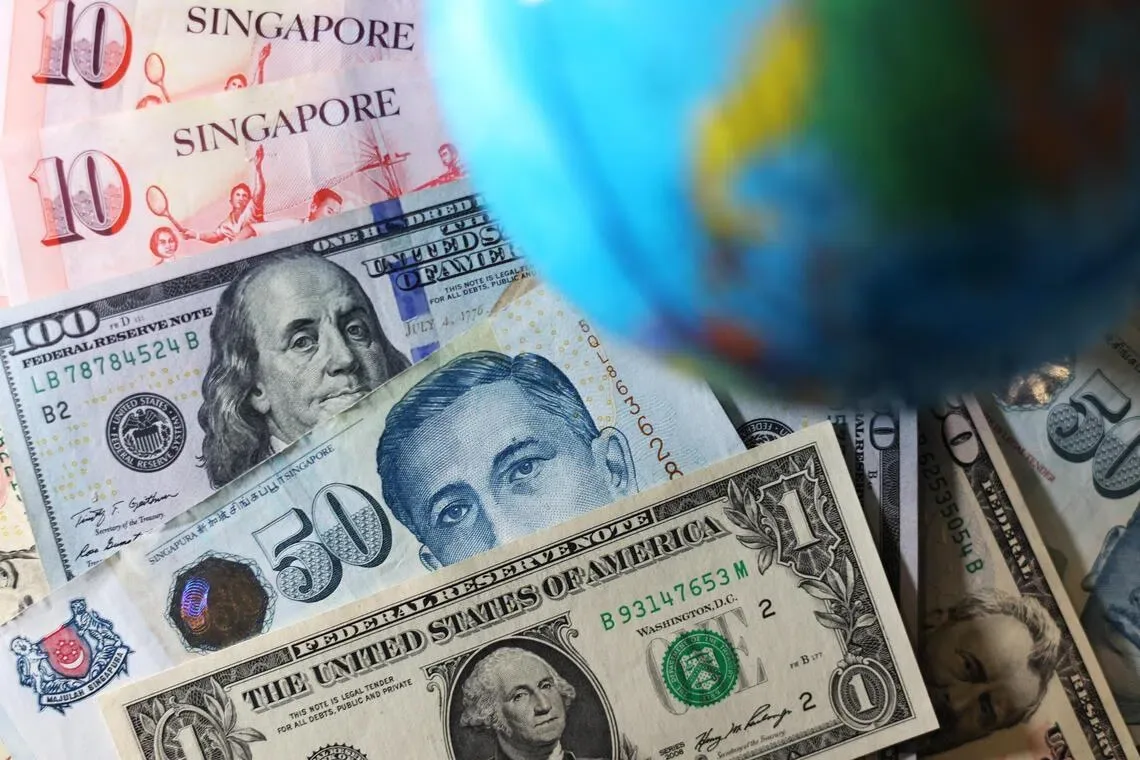
Along with broad gains, the US dollar strengthened roughly 0.5% against the Singapore dollar, trading at about 1.2913 SGD as of July 7 [1]. Meanwhile, bearish sentiment toward the Japanese yen has grown sharply. Leveraged funds increased their short positions on the yen to their highest levels since 2007, with about 138,000 contracts short as of June 30 [4]. The US dollar traded above 162 yen, close to a 1986 high, sparking speculation over possible Japanese official intervention [4].
Bitcoin and other cryptocurrencies have struggled amid the strong US dollar and tightening macroeconomic conditions in 2026, reflecting broader market pressures [5].
The Federal Reserve’s next policy moves and their timing remain key for currency markets. Meanwhile, the aftermath of the Strait of Hormuz disruption continues to influence inflation expectations and dollar demand.