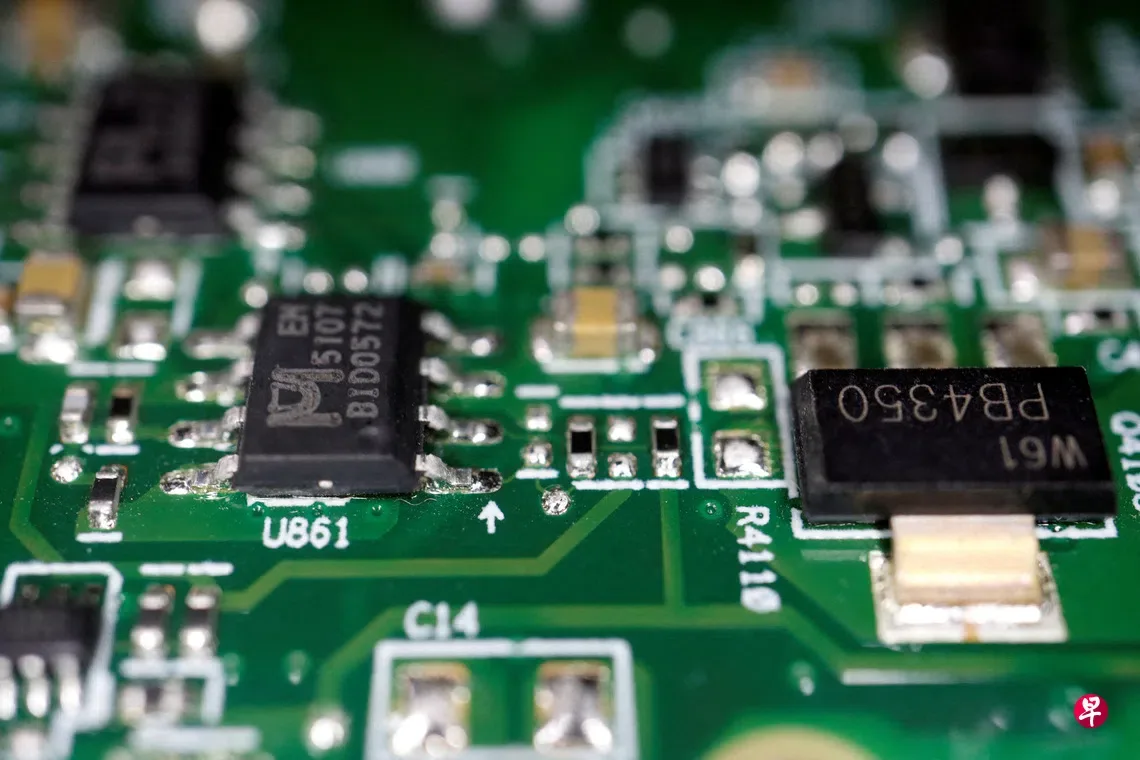
Reports have emerged that the Trump administration is considering a broad new set of tariffs on semiconductors that would extend beyond chips themselves to products incorporating them, such as laptops, gaming consoles, and data center servers [1, 2, 3, 4, 5, 6, 7, 8, 9, 10]. The plan is at an early stage, with a phased rollout possible and details subject to change over coming weeks or months [1, 2, 3, 4, 5, 6, 7, 8, 9, 10].
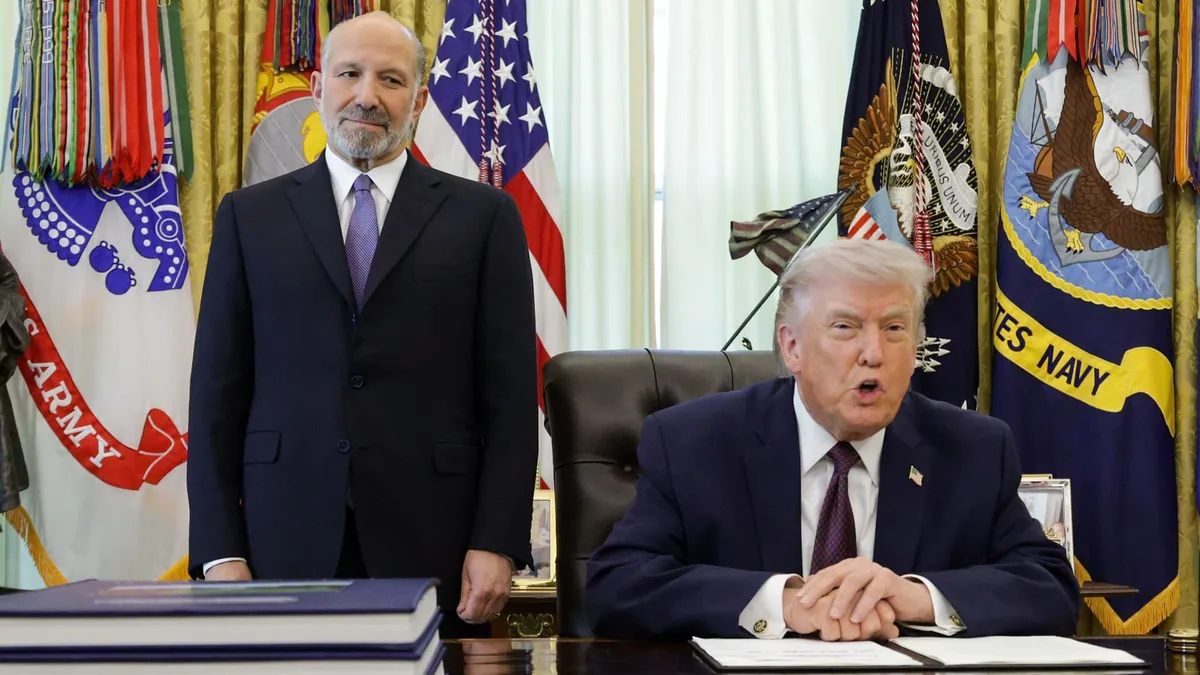
Commerce Secretary Howard Lutnick supports linking tariff relief or exemptions to foreign companies’ investments in U.S. semiconductor manufacturing. This aims to encourage more chip production on American soil [1, 2, 4, 5, 6, 7, 11, 8, 9, 10]. The White House told Politico reshoring semiconductor production is a top priority and credited Trump’s policies with securing hundreds of billions of dollars in sector investments [3]. A White House spokesperson said the administration remains focused on boosting investments and protecting national security [8].
U.S. Trade Representative Jamieson Greer said in May no imminent new tariffs were expected but emphasized tariffs’ importance for protecting the semiconductor industry and encouraging reshoring [1, 2, 4, 7, 9]. He said, "There were no imminent new US tariffs expected to be imposed on semiconductors, but it was important to protect the sector with duties to facilitate reshoring of chip production" [1].
The proposed tariffs may target devices like PlayStation 5 and Nintendo Switch consoles, which could face hardware price increases if tariffs are imposed [12, 11]. Industry experts warn these broader tariffs could raise costs, disrupt supply chains, and weaken U.S. competitiveness in AI and high-tech sectors [5, 11, 8, 10]. Some analysts caution that tariffs on finished products containing chips might reduce demand and indirectly hurt chip makers [10]. High capital costs and long build times for advanced chip fabs mean U.S. capacity cannot quickly meet demand [11, 10].
The new tariffs would differ from the 25% tariff set on certain AI chips in January 2026 under the Biden administration, as Trump’s plan aims to cast a wider net [3]. Proposed rules could include varying tariff rates and import quotas by country, with some imports allowed duty-free if tied to domestic production commitments [8].
Key industry voices criticized the approach. One paraphrased insider called the plan "the dumbest way to pursue US AI leadership, like cutting off your own legs at the starting line" [11].
The Trump administration’s deliberations rely on multiple anonymous sources, with at least 8 insiders cited by reporting outlets [1, 2, 3, 4, 7, 9].
Officials have not set a timeline for announcement or implementation but are continuing to refine details amid industry pushback and strategic consideration [1, 2, 3, 4, 5, 6, 7, 8, 9, 10].