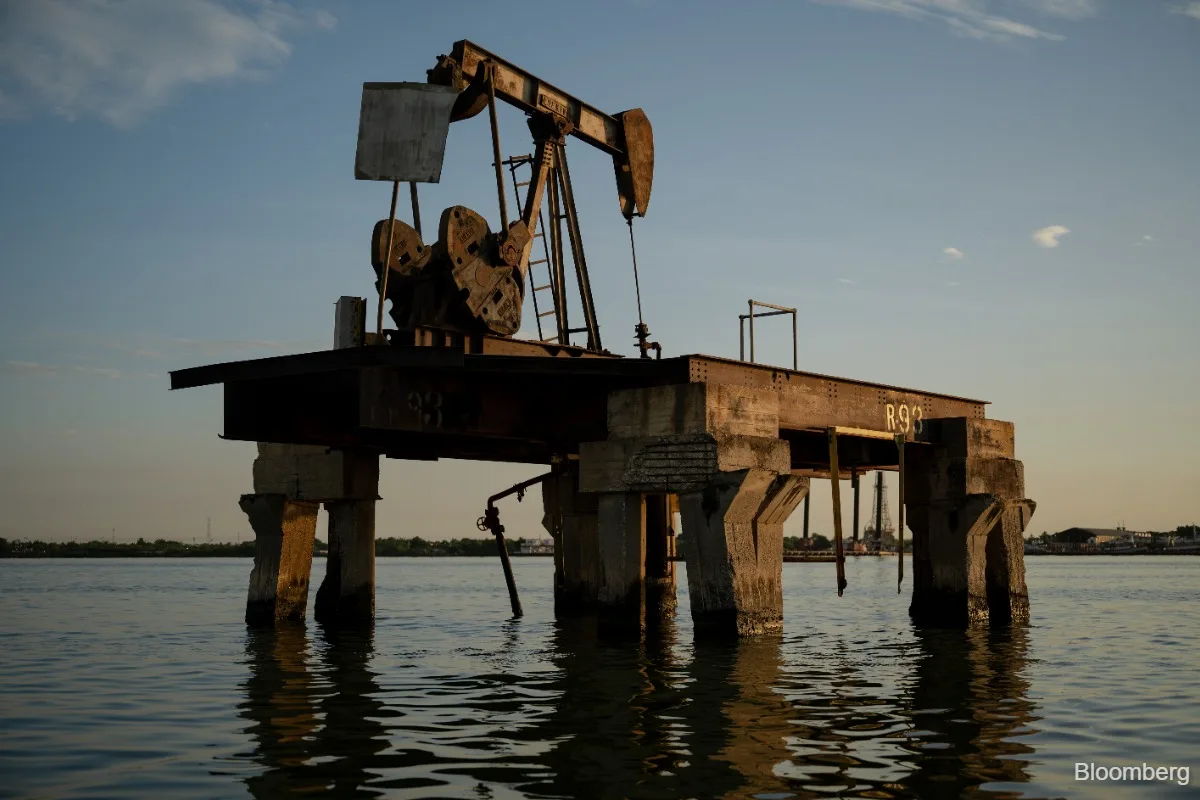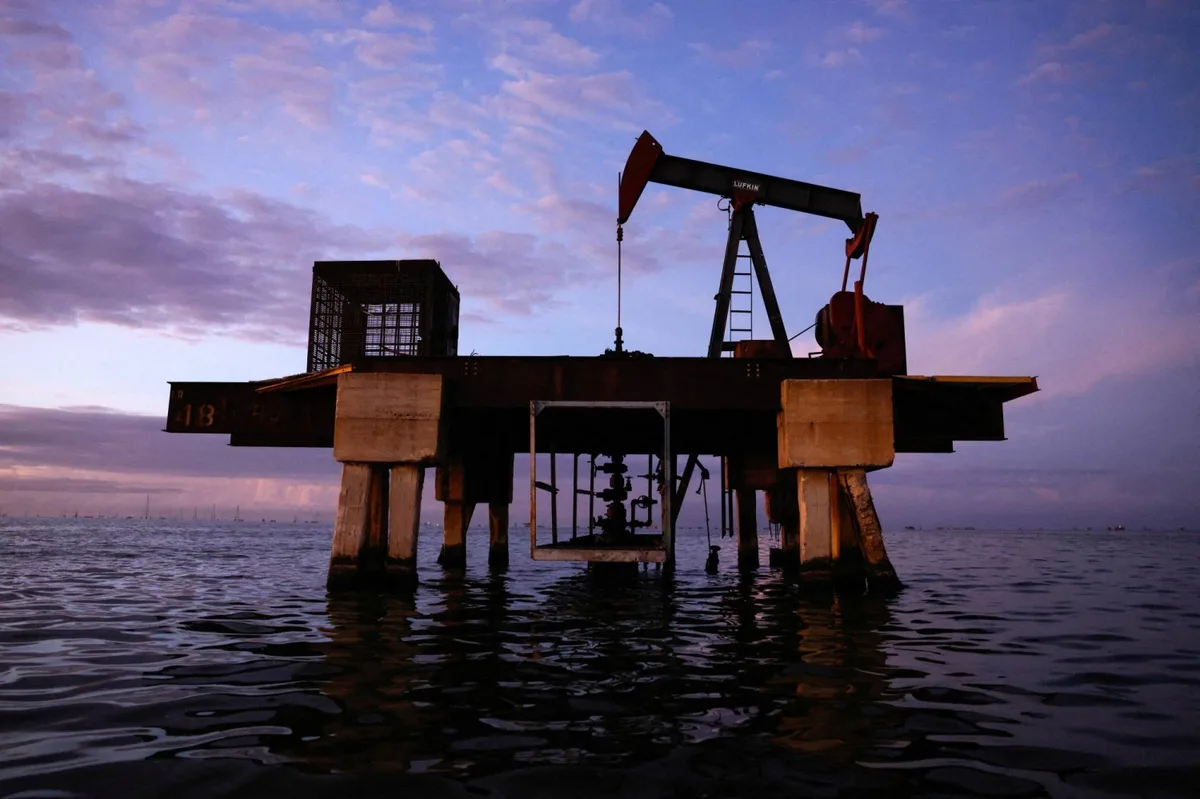
US President Donald Trump announced on September 1 a sweeping oil deal giving the United States control over a significant portion of Venezuela's crude oil wealth [1, 2, 3]. The agreement grants US companies access to about 65 billion barrels of oil reserves over the next 100 years, a massive expansion of US influence in the Venezuelan energy sector [3].
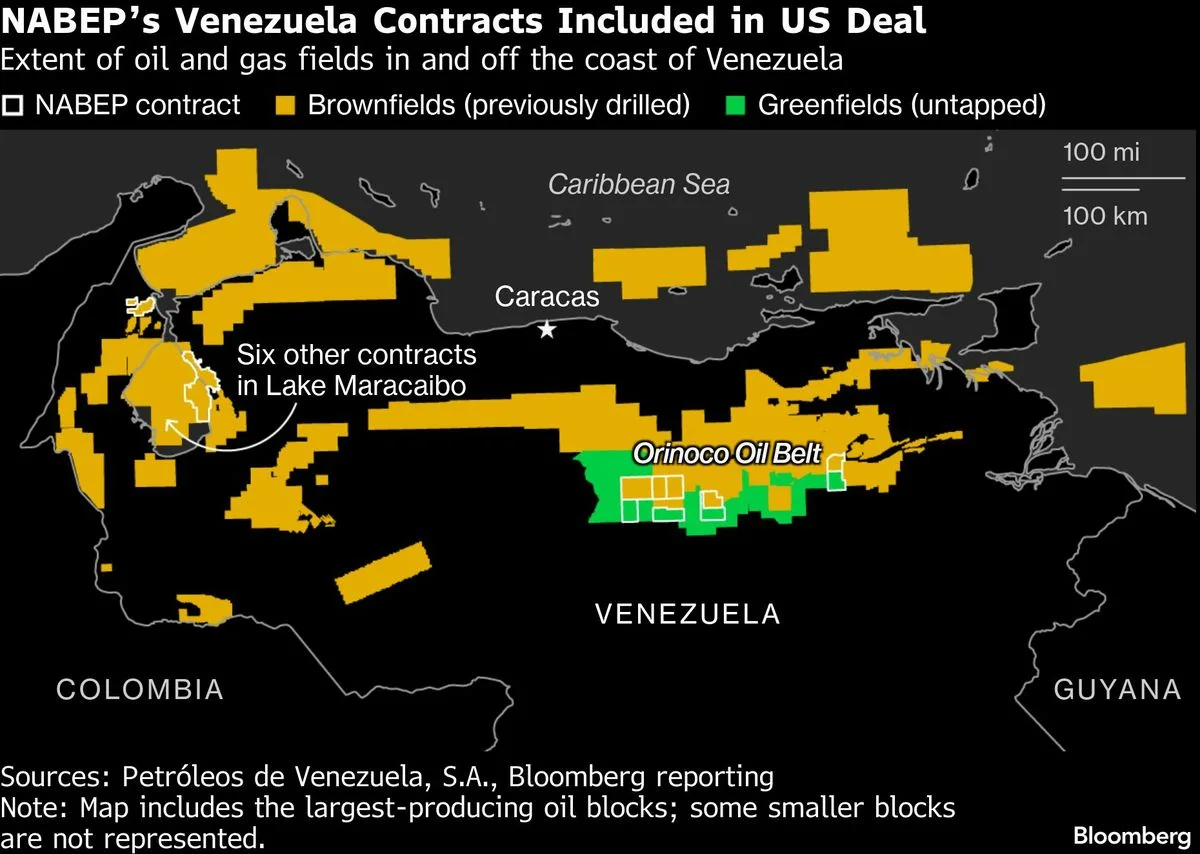
The US government is taking a 35% stake in North American Blue Energy Partners, a private company led by Alejandro Betancourt, which secured 100-year rights to develop 17 Venezuelan oil fields [1]. Trump called the accord "the greatest deal ever made" and "the biggest oil deal in world history" [1, 3].
The announcement overshadowed earlier commercial agreements signed around September 2 in Caracas between Venezuelan interim President Delcy Rodríguez, US Energy Secretary Chris Wright, and executives from Chevron, Eni, and GE Vernova [1]. US oil industry leaders expressed alarm and frustration at being blindsided and cut out from key Venezuelan oil opportunities [1, 2].
Since January 3, 2026, when US special forces abducted Venezuelan President Nicolás Maduro to stand trial in the US, Rodríguez has served as interim president and has sought to privatize Venezuela's oil sector to favor US interests [3]. Sources say the US State Department and Pentagon helped marshal the Betancourt deal, part of a broader three-phase US plan for Venezuela's stabilization, recovery, and political reform [1, 3].
The ceremony on September 2 in Caracas brought together US and Venezuelan officials to sign investment accords that complement the large-scale Betancourt agreement [1]. The deal's long duration and scale mark a substantial shift in control of Venezuela's oil resources.
The next major step will be the ongoing development of the 17 oil fields under US-led management, setting the stage for significant production expansions over the coming decades.