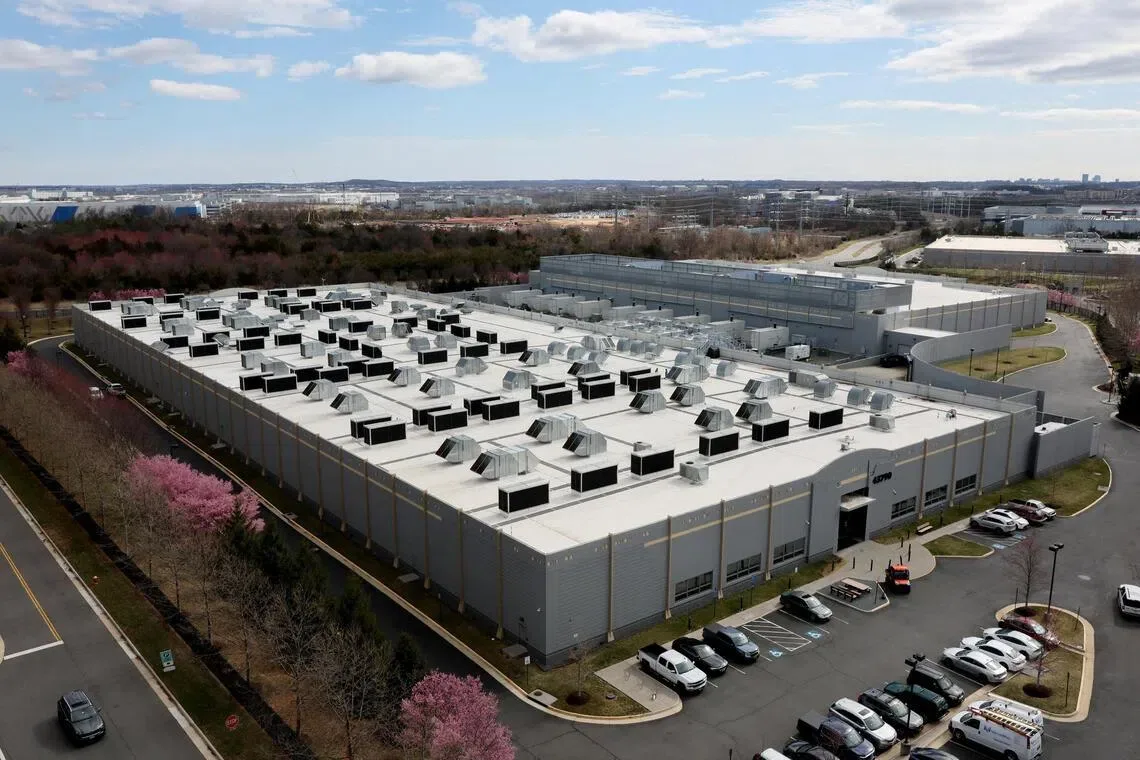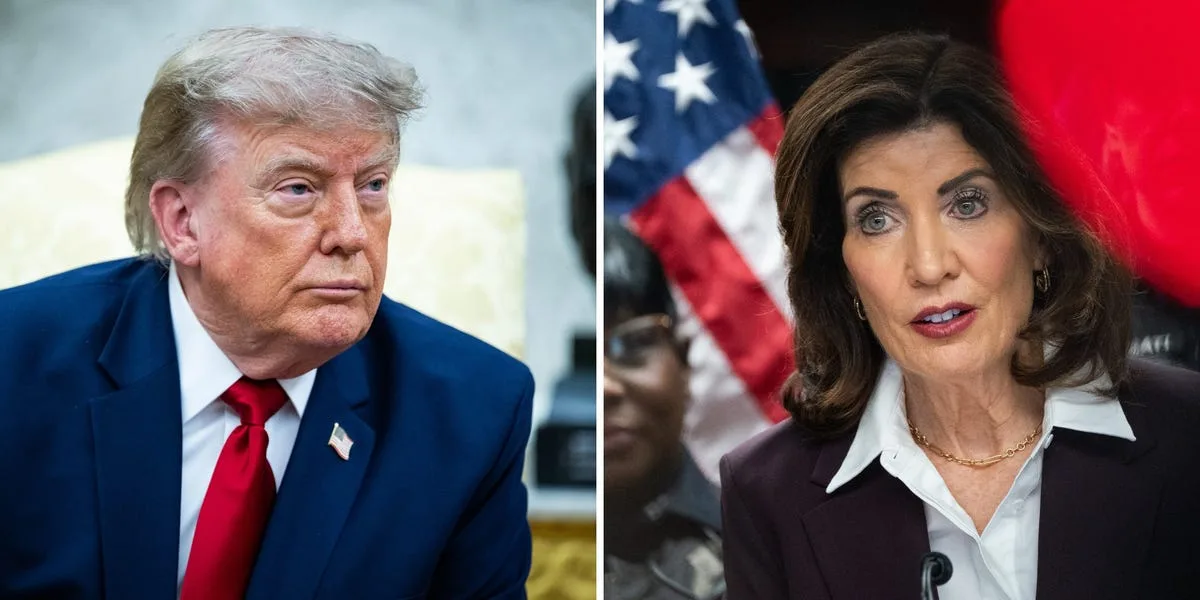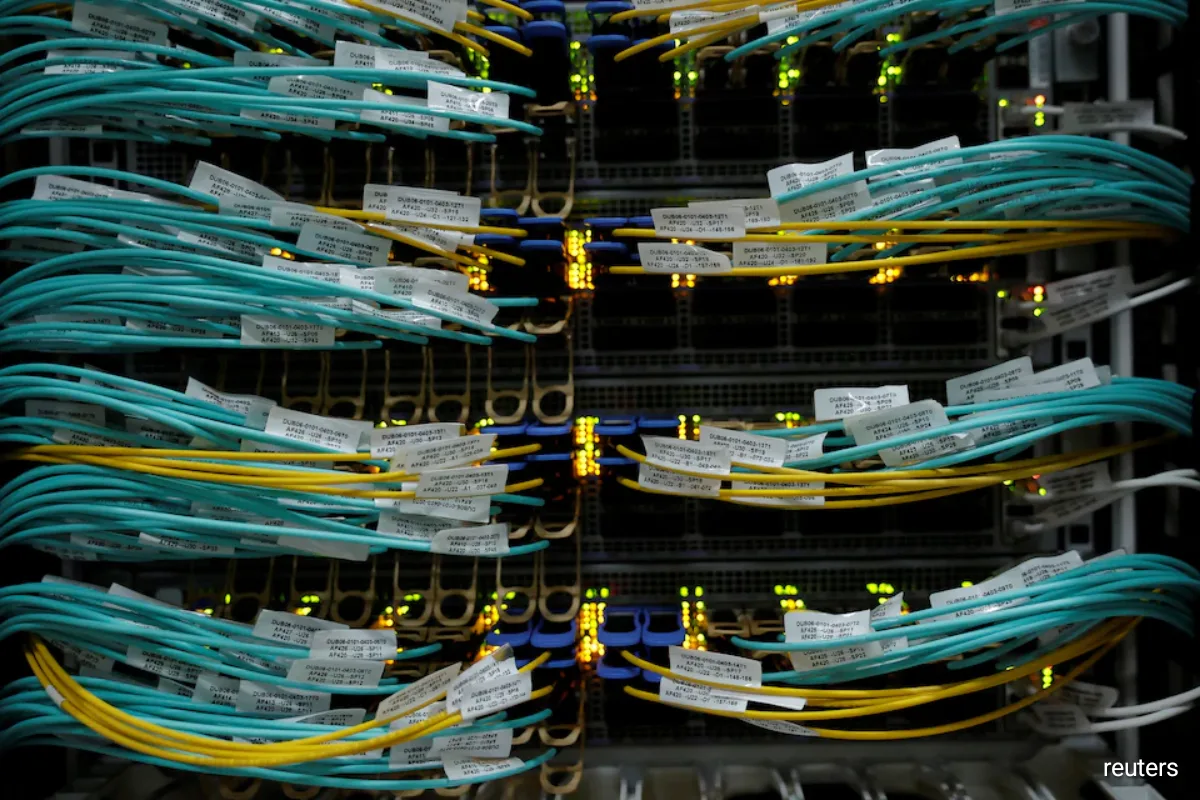
New York state imposed a one-year moratorium on new large data centers using 50 megawatts or more of power starting July 14, 2026, aiming to regulate utility costs, conserve resources, and protect the power grid [1, 2, 3]. Governor Kathy Hochul defended the pause, saying, "The communities powering AI should share in its success. If data centres are really ‘LIQUID GOLD,’ then New Yorkers deserve more than scraps" [2]. She acknowledged AI's importance, calling it a "revolution" with powerful disruptive forces but potential for positive impact [2].
President Donald Trump strongly criticized the moratorium, calling it a "terrible decision" that risks ceding AI-related economic opportunities to other states and countries like China. He described data centers as "Money Machines," "LIQUID GOLD," and "Cash Cows" that create jobs and tax revenue, urging New York to reverse the ban immediately to avoid losing investments to states such as Arizona, Florida, Texas, and Alabama [1, 2, 3]. Trump posted his views publicly on July 15, one day after the moratorium announcement [1, 3].
The moratorium follows a national debate over managing infrastructure for AI given rising concerns about electricity demand, water consumption, utility bills, and environmental impacts [1, 2, 3]. New York ranks fifth nationally with 148 operating data centers as of April 2026, while the US has over 3,000 data centers in operation and another 1,500 in development [2]. Wholesale energy prices in the Buffalo area skyrocketed 197% in 2025 compared to five years earlier, fueling concerns over data center energy use [2].
In addition to Trump, hedge fund billionaire Dan Loeb called the governor’s moratorium the “stupidest move” [2]. Despite criticism, Hochul’s administration is moving forward to develop regulatory standards as part of the pause [2, 3].
The moratorium stands through at least July 14, 2027, while New York officials assess the impact of data centers on the state’s infrastructure and communities [2, 3].