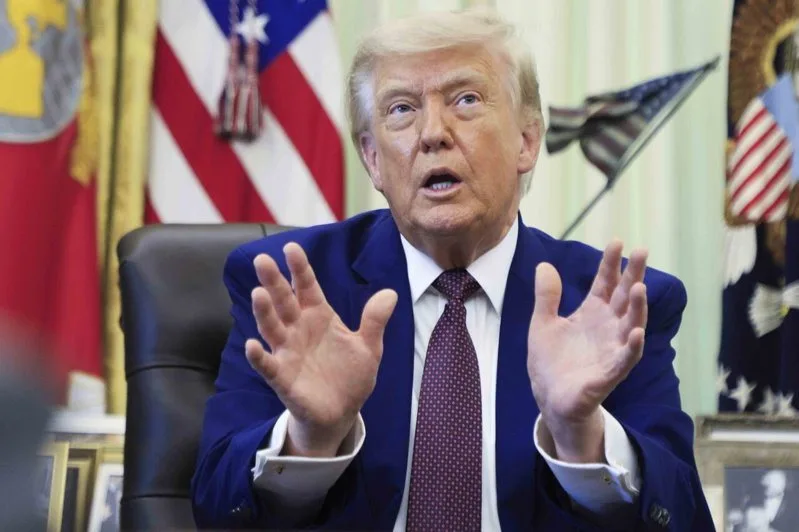
President Donald Trump signed an executive order on August 20 to enhance U.S. Customs and Border Protection (CBP) enforcement and improve tariff verification, reinforcing protectionist trade policies [1, 2, 3]. The order calls on CBP to adopt new technologies, including artificial intelligence and data analytics, to fight tariff evasion, false claims of product origin, and smuggling of illegal goods [1, 2].
The order targets persistent customs challenges such as the use of shell companies, insufficient customs bonds, and rerouting shipments through third countries to obscure true origins [1, 2]. Underreporting import prices and concealing importer information are among the violations the order aims to crack down on [1, 2]. CBP Director Rodney Scott said at the signing that the government will start holding accountable those who bring threatening products into the U.S., applying the same rigor as at other border areas [3].
White House trade advisor Peter Navarro said customs will track global shipments daily, leveraging AI to analyze billions of data points for signs of tariff evasion, drug smuggling, and other illegal activities. He estimated that closing tariff evasion loopholes alone could generate hundreds of billions in additional U.S. revenue [1, 2].
Importers will face stricter reporting requirements, and foreign exporters to the U.S. will be more tightly regulated [1, 2]. Bloomberg reports cited a $112 billion discrepancy last year between Chinese export declarations and U.S. customs import records, illustrating the scale of enforcement gaps [1, 2]. The day before the order, the Trump administration proposed tariffs of at least 10% on imports from 60 economies linked to forced labor-related trade issues [1, 2].
The executive order’s measures will not take effect immediately. Some require industry consultation and congressional approval. Implementation plans are expected within 45 days of the order’s signature, with further details to follow [1, 2].