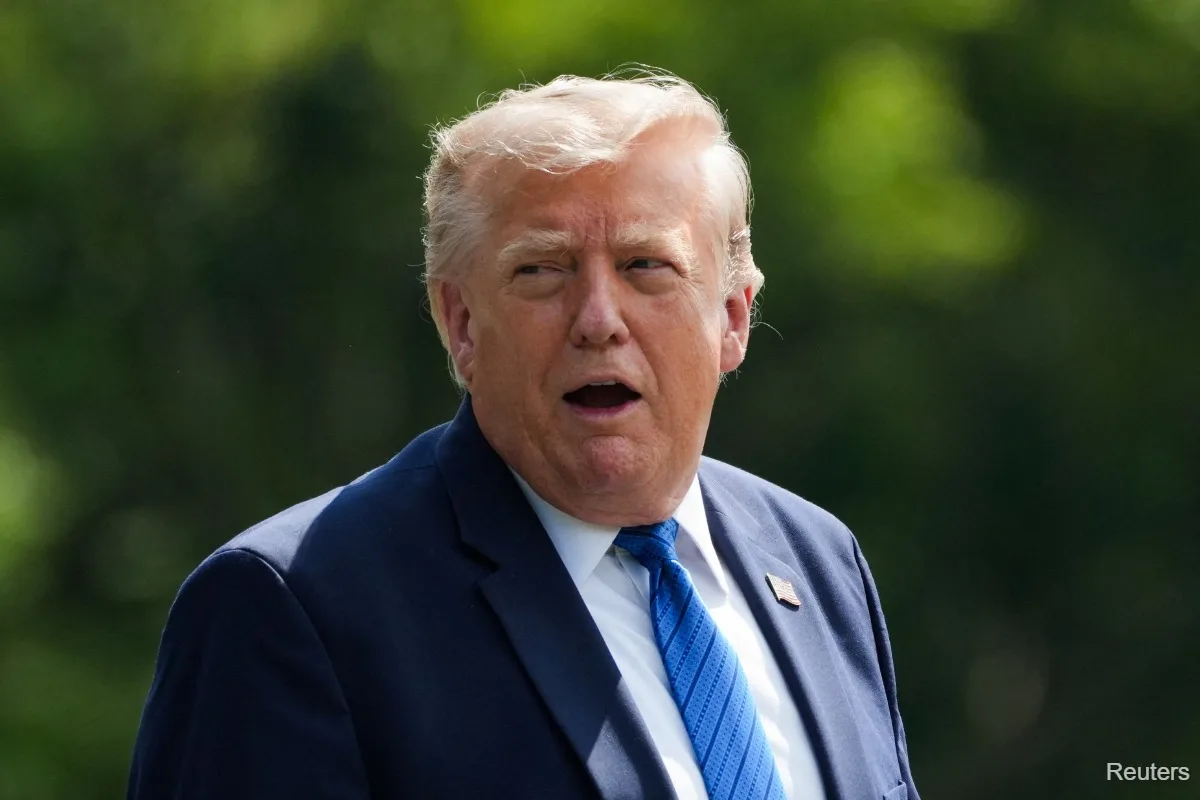
President Donald Trump on August 3 publicly called on Chevron and other major oil companies to reduce retail gasoline prices for American consumers, amid surging fuel costs linked to the Iran conflict [1, 2, 3]. He criticized Chevron CEO Mike Wirth for not acknowledging the administration’s support, saying, "The only thing [Wirth] conveniently forgot to mention is that, without the genius, foresight, strength, and stability of the TRUMP Administration, the Oil Industry, and our Country itself, would be DEAD!" Trump added the administration’s role helped companies regain markets, citing his success in Venezuela where "Mike and Chevron" were "thrown out," but have since returned "far bigger and stronger than ever before" [1, 2].
Chevron recently reported a record $12.1 billion quarterly net profit, marking its highest earnings in six years. The company and other US oil producers have benefited from higher crude prices and refining margins amid global supply disruptions caused by the ongoing conflict involving Iran [1, 3]. While fuel prices in the US have surged since the US and Israel war on Iran began, Trump has repeatedly promised gasoline prices will fall sharply once the conflict ends, a claim economists dispute [2].
Chevron CEO Mike Wirth acknowledged the continuing risks to global oil shipments due to escalating tensions. He warned that not only the Strait of Hormuz but also the Red Sea and Black Sea face heightened threats, adding, "the risks to supply are very real" [3]. Rising gasoline prices and broader cost-of-living increases present political challenges for Trump's Republican Party ahead of the November 2026 midterm elections [1].
Earlier this month, on August 2, Trump announced the US and Israel had agreed to halt new attacks on Iran if a rapid deal could be reached to end the conflict [2]. This pause sets the stage for potential easing of tensions that could impact oil markets and fuel prices.
Trump’s demand for lower gasoline prices comes as Chevron’s strong profits and supply risks illustrate the complex dynamics shaping the US energy sector amid international instability. The next significant development will hinge on diplomatic progress with Iran and how oil companies respond to mounting public pressure on fuel costs.