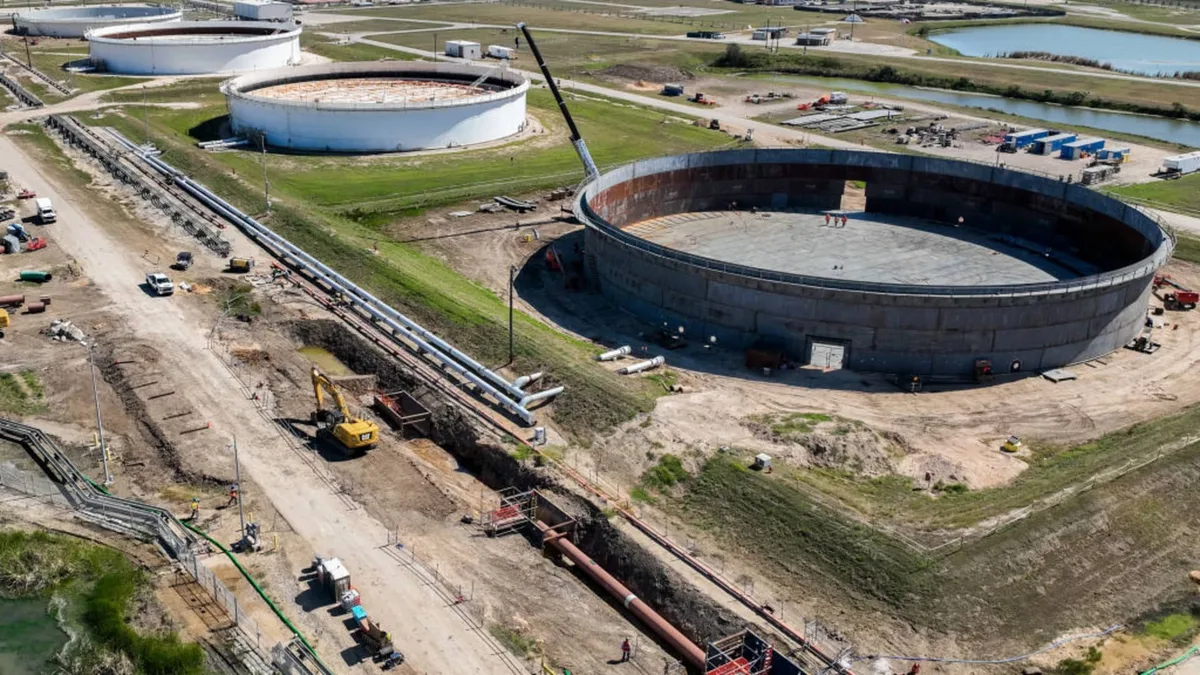
The US Strategic Petroleum Reserve (SPR) crude oil inventory fell below 300 million barrels, reaching approximately 298.7 million barrels as of August 7, 2026, marking its lowest level since January 1983 [1, 2, 3, 4]. Last week alone, the SPR declined by about 6.1 million barrels, following a prior drawdown of approximately 2.8 million barrels amid ongoing geopolitical tensions [1, 4, 5].
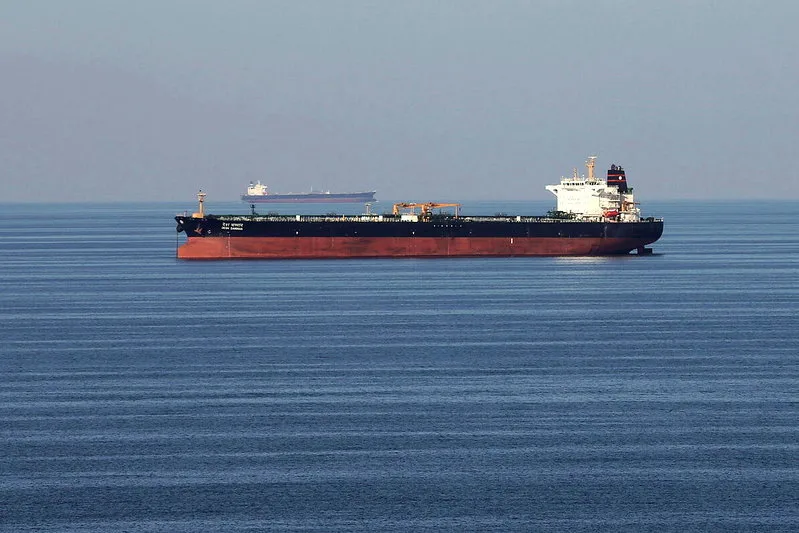
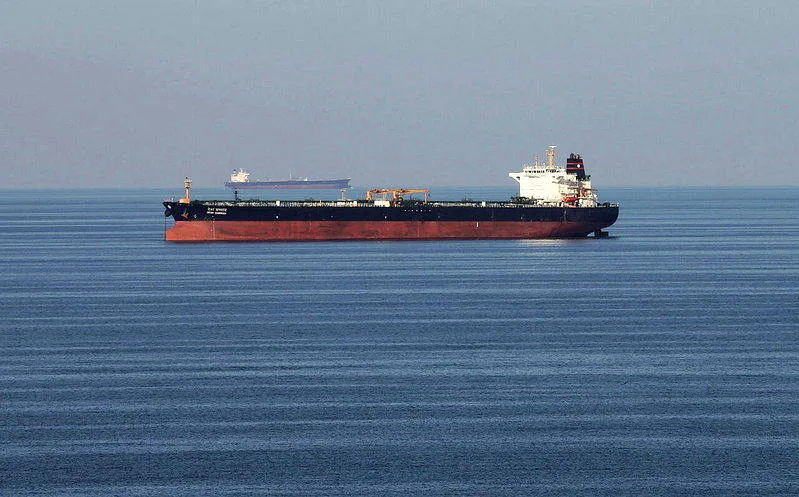
Established in 1975 with an authorized capacity of around 714 million barrels, the SPR has been a key buffer against oil supply disruptions [4, 5]. In March 2026, the Trump administration ordered the release of 172 million barrels from the reserve to offset supply losses related to Iran's attacks on oil tankers and blockade of the Strait of Hormuz. The release formed part of a coordinated International Energy Agency effort that aims to release 400 million barrels globally from emergency reserves [1, 4, 6, 7, 5].
Despite the drawdowns, the US Energy Department stated in July that at least 70 million barrels must be maintained for the safe and effective operation of the SPR [2, 3, 5]. Former Obama-era energy envoy David Goldwyn said he is not concerned about the reserve's stability, adding, "I am not concerned about the stability of the Strategic Petroleum Reserve or our ability to release more oil when needed" [3].
Meanwhile, US commercial crude oil inventories outside the SPR unexpectedly rose by about 9 million barrels during the week ending August 7. This increase was driven by decreased exports and higher imports, contrasting with the SPR's continuing decline [8, 9]. However, refined product stocks such as diesel remain critically low on a global scale, pushing prices higher. US diesel inventories dropped to a 30-year low, with futures prices surging amid inflationary pressures [9].
Oil prices rose sharply on August 10, jumping more than 5 percent due to fears of ongoing supply disruptions triggered by the US-Iran conflict and stalled talks to reopen the Strait of Hormuz. Brent crude closed at roughly $87.7 per barrel, while WTI crude ended between $82.1 and $82.3 per barrel [2, 6, 7, 5].
Negotiations between the US and Iran over reopening the Strait remain stalled. Iran demands sanctions relief and compensation, while the US insists on reparations for "the damage caused over the past 50 years," as stated by President Donald Trump [2].
The SPR's aging infrastructure further reduces effective capacity, with more than 100 million barrels currently inaccessible due to maintenance and storage issues [5]. The reserve's continued drawdown and infrastructure challenges emphasize the ongoing pressure on US emergency oil supplies.
Next week, energy officials are set to review the latest inventory levels and assess market risks amid continued geopolitical tension and supply uncertainties.