The US Labor Department reported 162,000 jobs added in August, nearly three times the consensus estimate of 56,000, and revised June and July payrolls upward by a combined 55,000 jobs, while the unemployment rate held at 4.1% [1, 2].
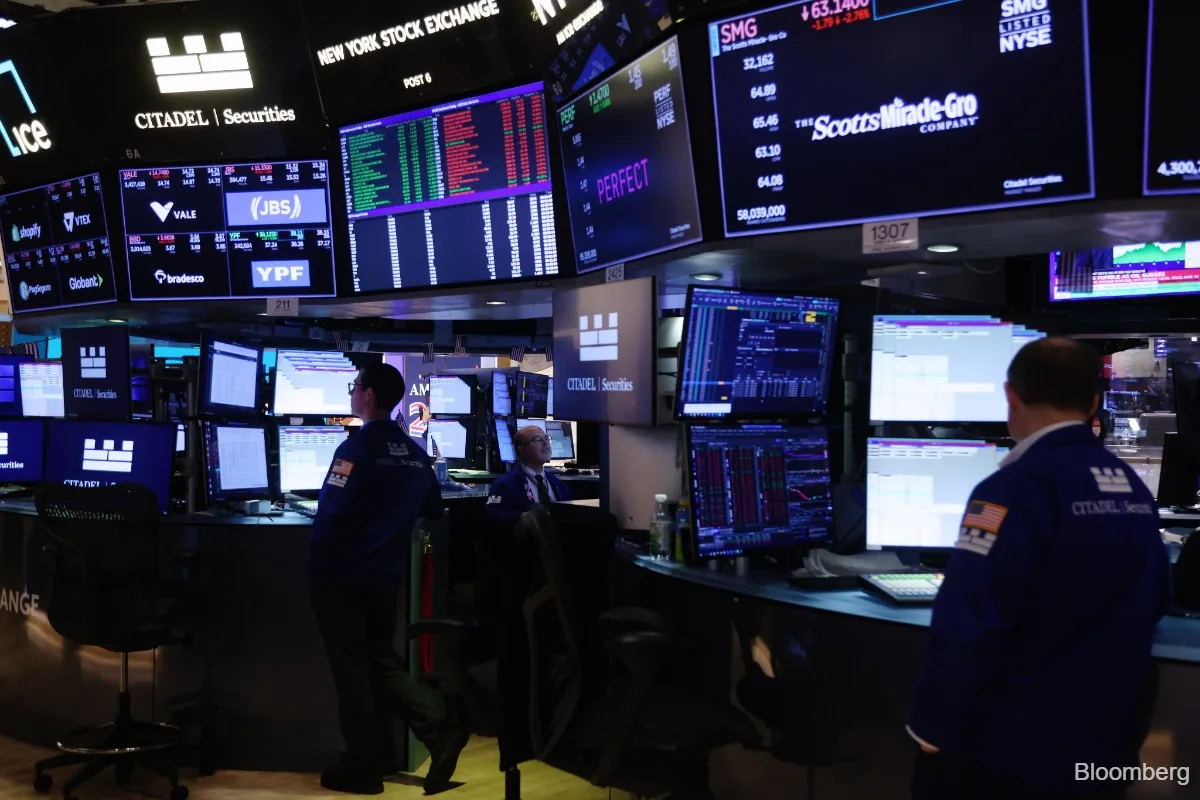
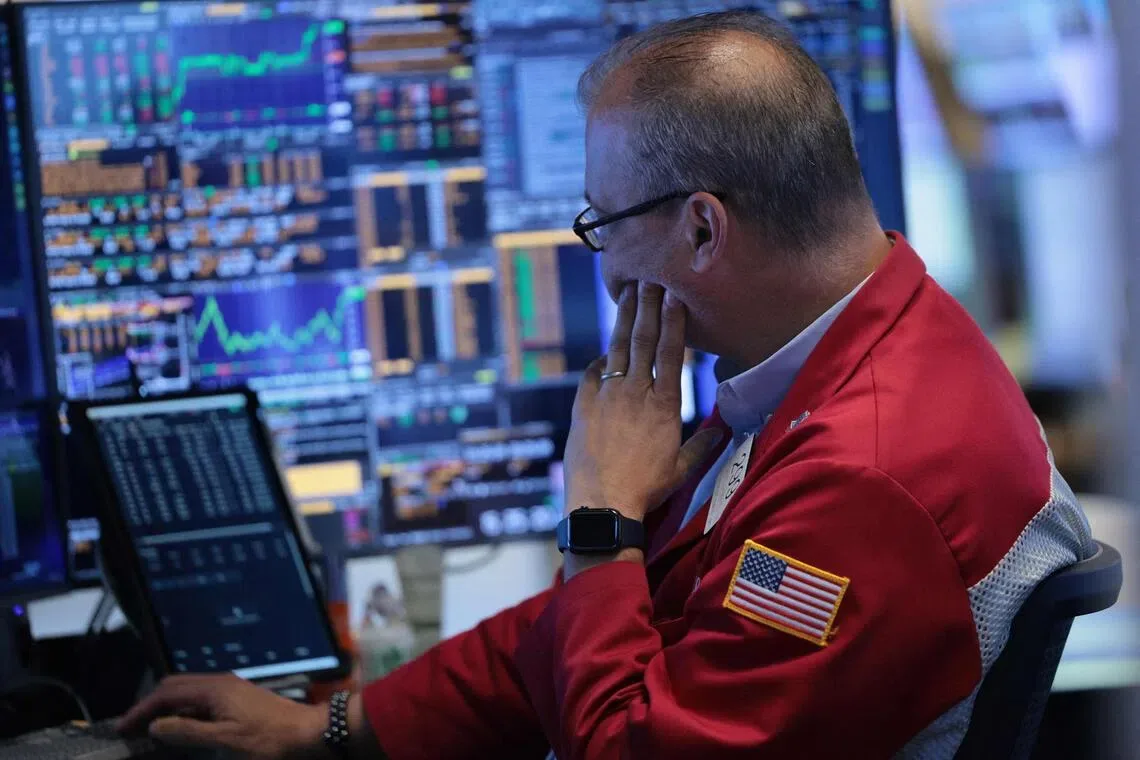
Wall Street's three main indexes fell sharply on September 4 amid a selloff driven by rising bets on a Federal Reserve rate hike. At market open, the Dow Jones Industrial Average dropped 101.2 points to 53,584.89, while the S&P 500 and Nasdaq Composite both edged higher, rising 2.5 points and 3.8 points respectively [3, 4]. However, by the close all three indexes were down significantly: the Dow lost 272.51 points to 53,413.60, the S&P 500 fell 29.3 points to 7,718.41, and the Nasdaq declined 77 points to 26,506.99 [1, 2].
Financial markets increased the probability of a 25 basis point Fed rate hike at the September meeting to roughly 58.4%, following the stronger-than-expected jobs report. Investors see the robust job gains as a sign that the economy remains hot enough to warrant tighter policy to control inflation pressures [1, 2].
Among S&P 500 sectors, consumer discretionary stocks posted the largest declines, while semiconductors rose 3.4%, and software and services dropped 2.1% [1, 2]. Ryan Detrick, chief market strategist at Carson Group, said, "The labour market had a nice snapback last month, and it’s hard not to think an improving labour market is not a positive development for the economy. On the flip side, the odds of a Fed hike increased a little bit as the economy continues to run a little on the hot side." He added, "We’ll get a lot more clarity on inflation next week at the consumer and producer levels." [1]
The Labor Department's report and the market reactions mark the economic data just ahead of the Fed's decision, expected later this month, which will be closely watched for signals on the central bank's policy path.