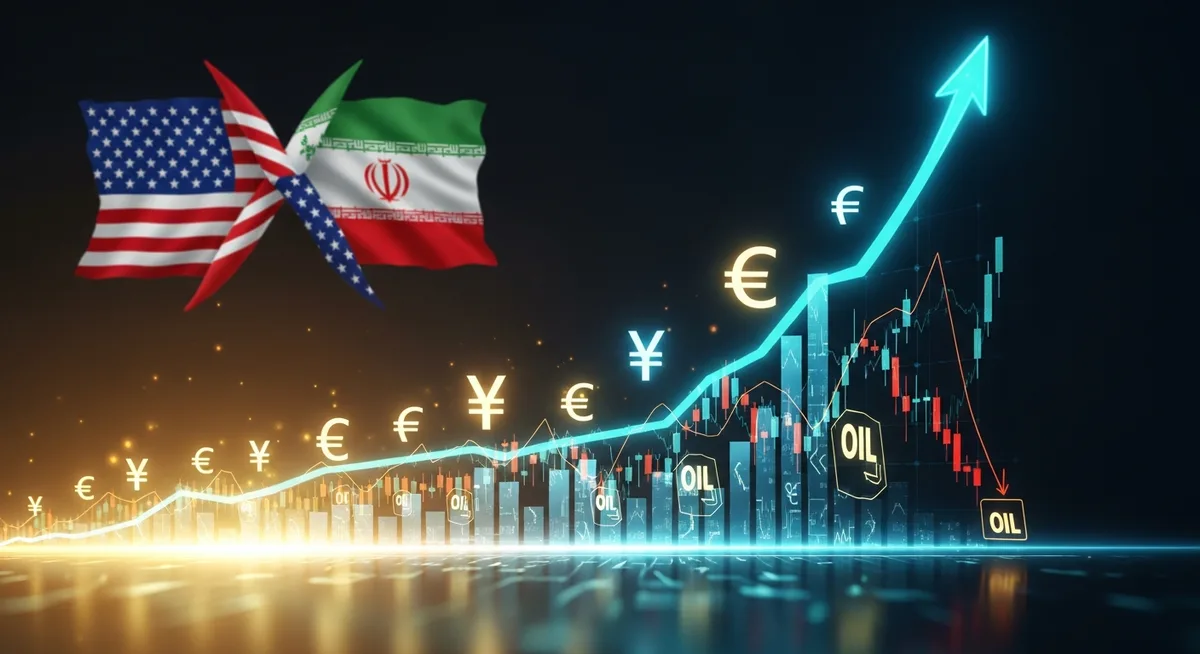
US and Iran reportedly agreed from June 26 to 29 on a tentative 60-day extension of their ceasefire agreement, aiming to resume formal nuclear talks and reopen the Strait of Hormuz for shipping traffic [1, 2, 3, 4, 5]. The prospect of easing Middle East tensions drove strong gains on global stock markets and led to significant drops in oil prices during this period.
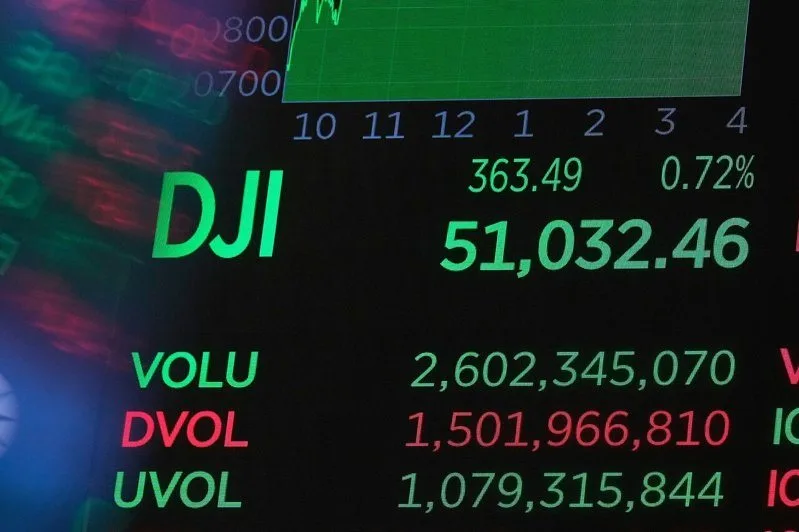
US stock indices rallied sharply on news of the ceasefire progress. The Dow Jones Industrial Average rose 158 points (+0.3%) on June 26, with the S&P 500 and Nasdaq also hitting record highs across several sessions from June 26 to 29 [1, 2, 6, 7, 4, 5]. Technology stocks benefited, notably Micron Technology, whose shares surged between 14% and 19% due to robust forecasts linked to AI-driven demand. UBS raised Micron's target price from $535 to $1,625 per share [1, 2, 6, 7, 5]. Dell also saw its stock jump up to 32% in early trading on June 29 [6, 5].
Asian markets followed the positive momentum. The Taiwan Stock Exchange surged to a new high on June 27, rising 731.43 points to 44,256.80, led by strong gains in TSMC, Mediatek, and memory stocks driven by AI enthusiasm and positive US technology sector sentiment [7, 3, 5]. Major indices in Tokyo, Hong Kong, Taipei, and Seoul also advanced after the ceasefire news [3, 5].
Oil prices declined amid hopes the tentative ceasefire would reopen the strategic Strait of Hormuz. On June 26, West Texas Intermediate crude traded near $92 per barrel before slipping to around $87-$88 in subsequent days. Brent crude dropped from about $99 per barrel on June 26 to approximately $93 later in the week [1, 2, 7, 3, 5]. Analysts pointed to easing conflict risks as driving the stabilization of oil prices. Oxford Economics economist Matthew Martin said "with oil prices stabilizing and a reduced chance of worst-case scenarios, recession risks are fading" [3].
Meanwhile, US Treasury yields fell on June 26 amid reduced Middle East uncertainties, with the 10-year yield dropping over eight basis points to roughly 4.485% [1, 2].
Former President Donald Trump on June 25 said talks with Iran were "progressing well" but warned a breakdown could prompt US military action. Indeed, US forces conducted defensive strikes in southern Iran early on June 26 [1, 2]. Despite this, markets reacted positively as the prospect of a negotiated outcome emerged. Citigroup Wealth CIO Moore noted the market rally since March largely reflected expectations of some resolution, though the timing and scale remained uncertain [6].
The tentative ceasefire remains subject to formal approval and further negotiation. The US and Iran are working toward restarting official nuclear negotiations and fully reopening the Strait of Hormuz to shipping.
Officials are scheduled to continue talks in July to confirm the ceasefire’s terms and seek a lasting agreement [4, 5].