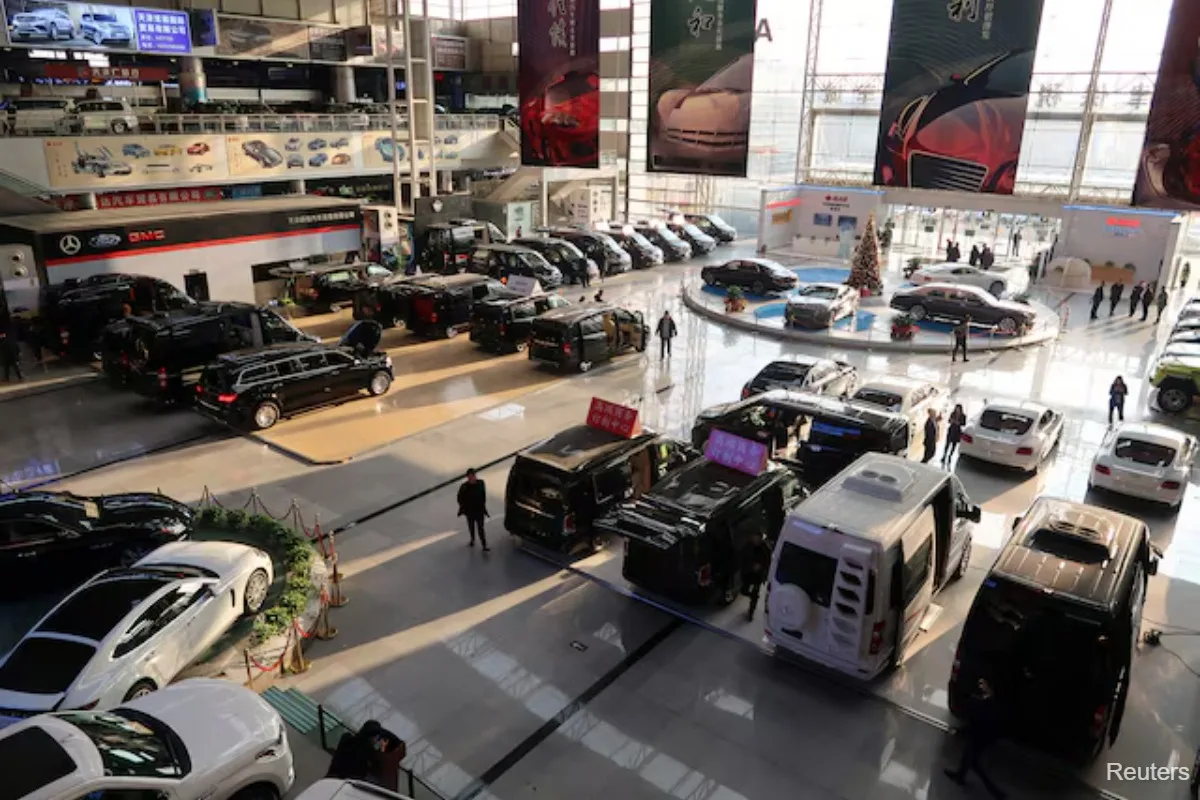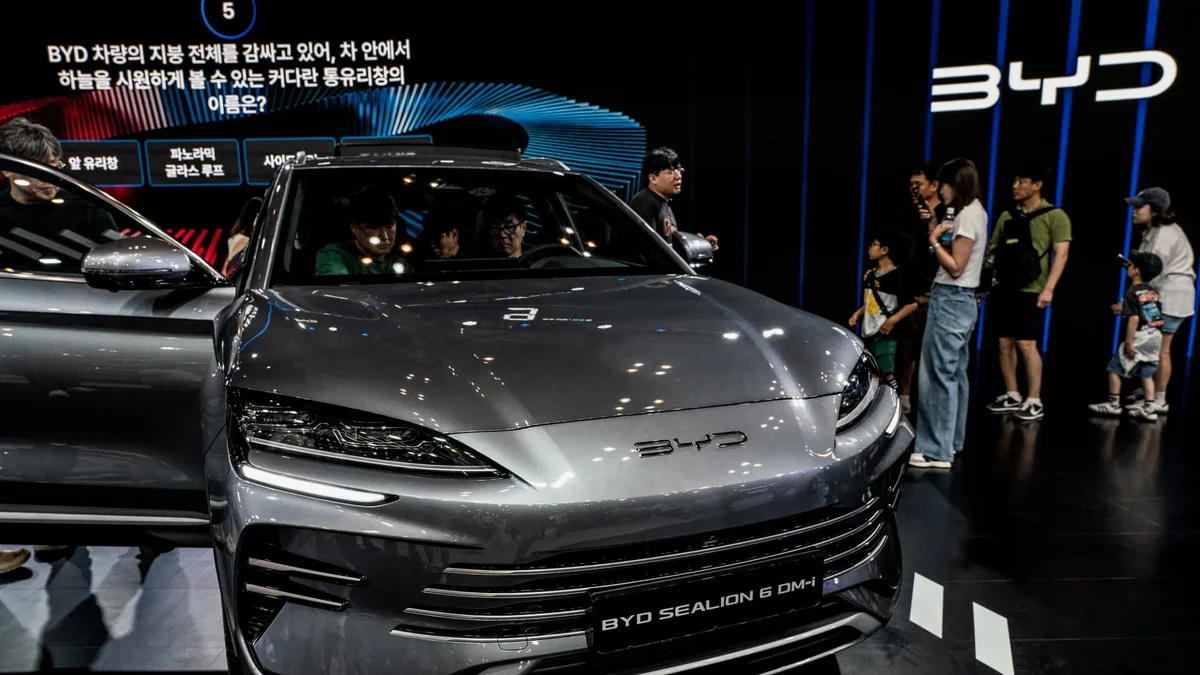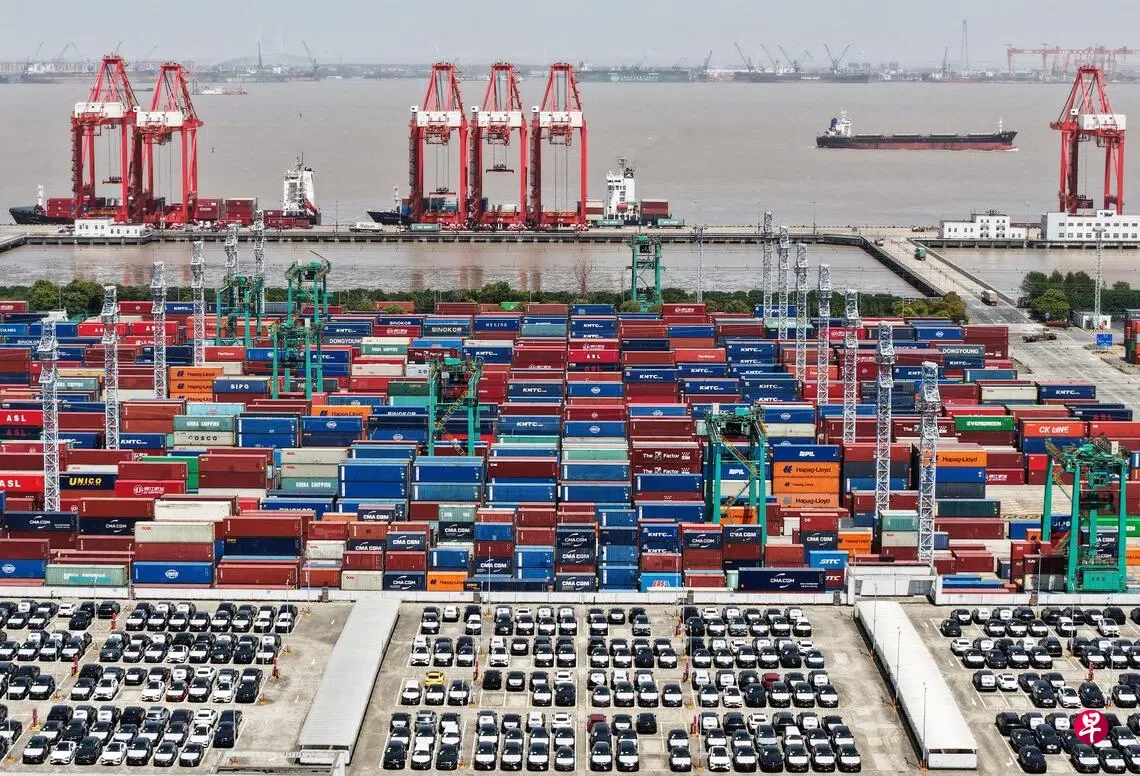
The Alliance for Automotive Innovation, representing major US and global carmakers including GM, Ford, Toyota, Volkswagen, Hyundai, Honda, Stellantis, and Mercedes-Benz, urged the US Congress to enact legislation permanently banning Chinese vehicles and their connected software and hardware from the US market before the end of 2026 [1, 2, 3, 4].
CEO John Bozzella said, “Right now, Chinese automakers are dumping subsidised vehicles with connected software and hardware around the world. This hasn’t happened inside the US yet, but given the scale and urgency of this threat, we urge you to enact a Chinese vehicle, software and hardware ban before adjourning this year and make this policy the law of the land” [1]. He added the ban would send a bipartisan message that China’s global automotive ambitions will face a national security response from the US government [3].
The US Senate Commerce Committee approved legislation in July 2026 to strengthen the ban on Chinese auto imports, but the bill faces hurdles in becoming law [1, 2, 3]. The proposed law includes a provision banning companies with more than 15% Chinese ownership from selling vehicles in the US, which could impact Mercedes-Benz due to its nearly 20% Chinese investor stake [1, 2, 3]. Some voices argue this clause should be amended to avoid unintended consequences for companies like Mercedes-Benz [2].
Chinese automakers such as BYD and Geely have rapidly expanded their exports to Europe, Canada, Mexico, Australia, Southeast Asia, and Latin America, intensifying competition in global markets [1, 2, 3, 4]. The US auto industry says the Chinese government provides subsidies and industrial support that unfairly disadvantage foreign competitors [1, 4]. There are also concerns that connected Chinese vehicles could collect and transmit sensitive data to Chinese authorities, posing a data security threat [4].
The Chinese embassy in Washington opposes the US legislation, saying Beijing has removed market access restrictions on foreign investment in manufacturing and remains open to international automakers including Tesla, Buick, Toyota, and Ford [2]. The embassy highlighted that these brands have been household names in China.
The Alliance for Automotive Innovation sent its letter urging Congress to act on September 3-4, 2026 [1, 2, 3, 4]. The next key step will be whether lawmakers pass a permanent ban before the end of this year.