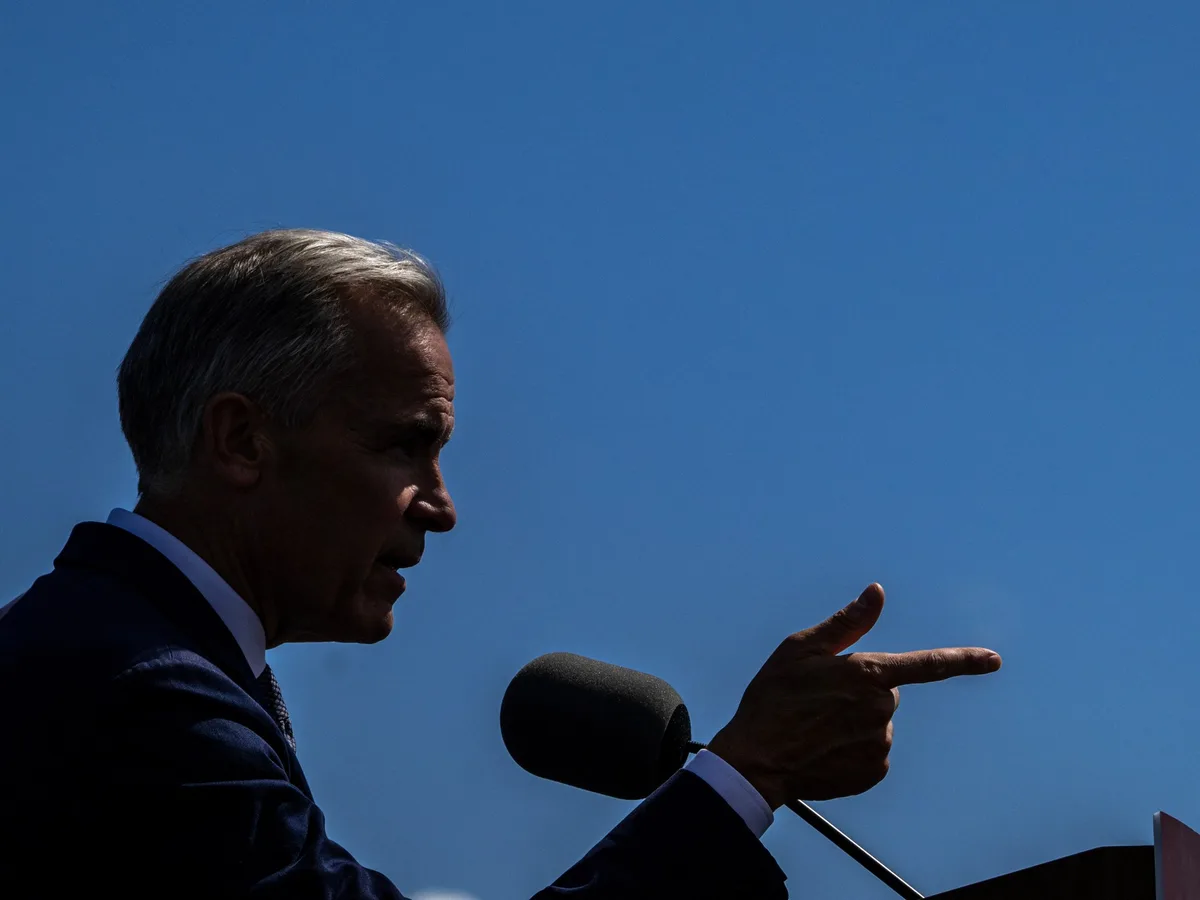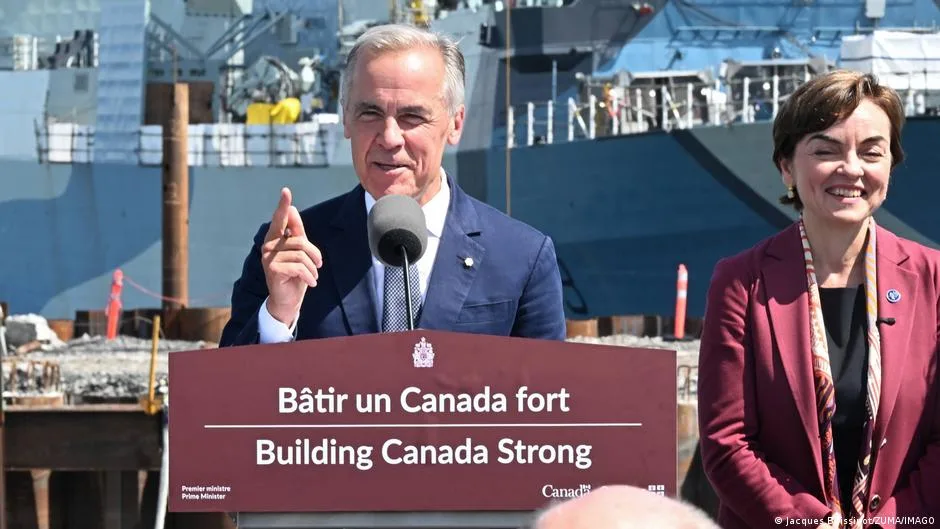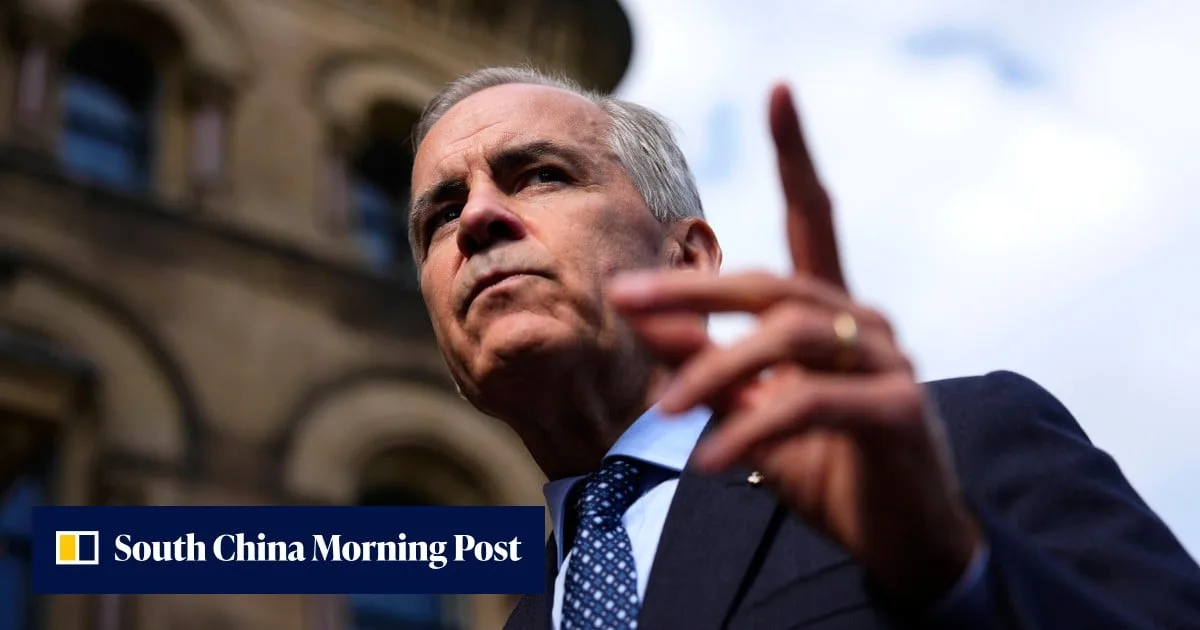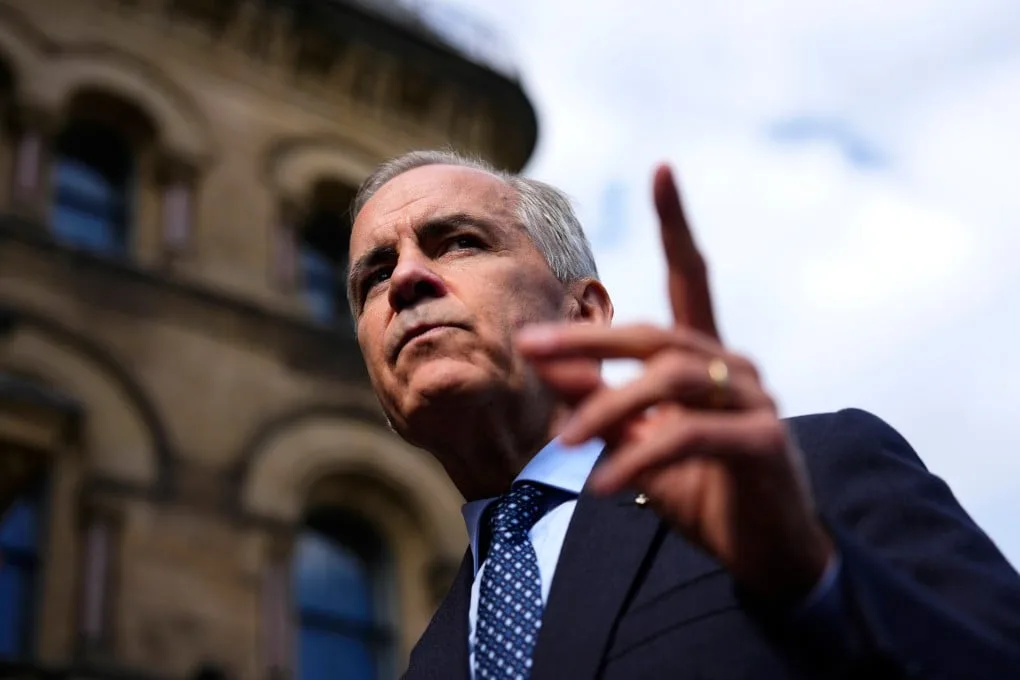
Canadian Prime Minister Mark Carney sharply criticized the United States' approach to trade negotiations following the collapse of US-Canada trade talks last month. Speaking publicly around September 1, Carney urged the US to "stop doing memes, stop throwing shade and stop trying to be tough" and to seriously engage in trade discussions instead [1, 2, 3, 4, 5].
The talks broke down on or around August 21 due to disagreements over tariffs, cultural protections, and sovereignty issues, according to multiple sources [6, 3, 4]. Following the collapse, the US quickly imposed 50 percent tariffs on roughly $20 billion worth of Canadian goods starting August 22 [1, 6, 3, 4]. Canada responded by announcing retaliatory tariffs on about $20 billion of US goods, scheduled to take effect September 8 [1, 3, 4].
Canadian officials attributed the failed negotiations to last-minute US demands limiting Canada's future trade autonomy and requiring changes to language and cultural protections. Carney said those demands would have forced Canada to match US tariffs on China and could have severely harmed key industries such as the automotive sector [6, 3, 4, 5]. He stated, "Canada is a sovereign state. We will strike free trade deals with the countries we wish to strike free trade deals" [3]. He added that accepting US terms would have effectively reduced core Canadian industries to subsidiaries of US firms or led to their gradual winding down in Canada [5].
US officials, including Trade Representative Jamieson Greer, placed blame on Canada for refusing to agree to terms and making unacceptable demands. Greer said, "There are no negotiations happening on trade right now" [1]. This represents a clear disagreement over which side caused the impasse.
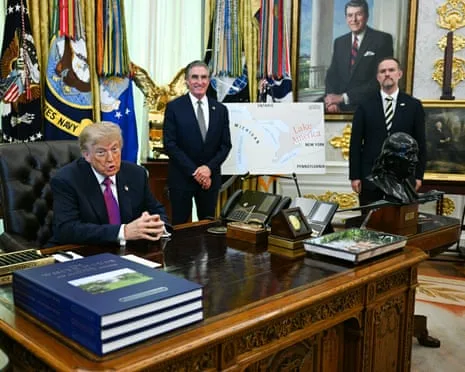
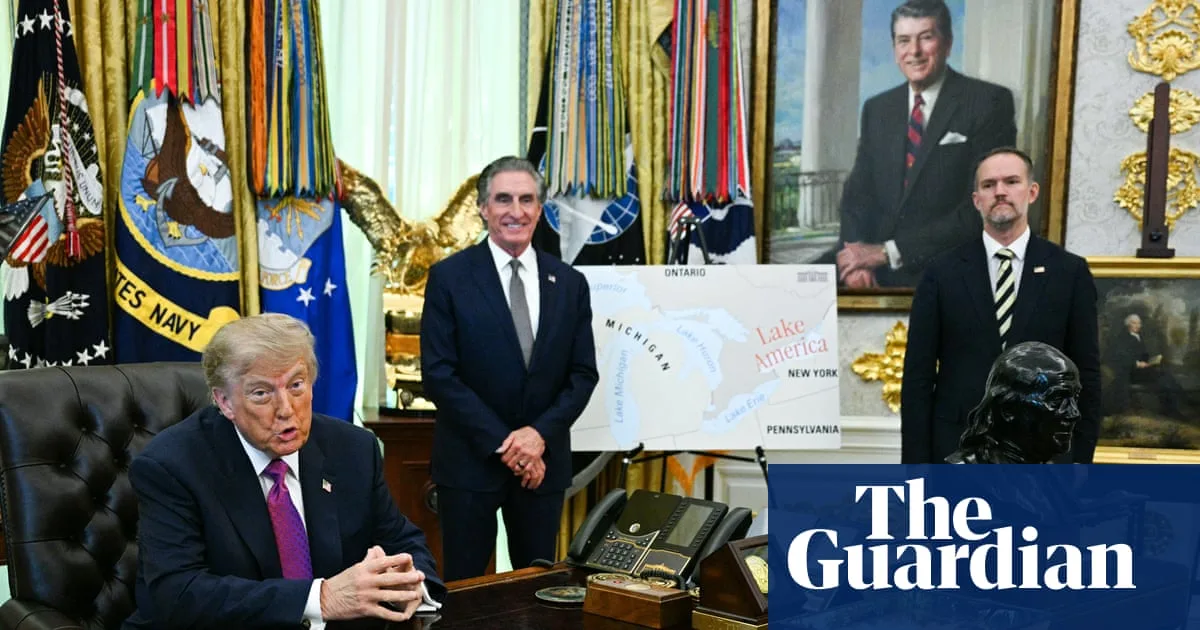
In the wake of the dispute, tensions further escalated when President Trump signed an executive order renaming Lake Ontario as "Lake America," a move Canada rejected outright [1, 2, 3, 4, 5]. US Treasury Secretary Scott Bessent and Secretary of War Pete Hegseth also mocked Canada on social media, prompting criticism from Carney [2, 4, 5].
Despite potential economic impacts, public opinion in Canada reportedly supports standing firm against US trade demands [6, 3]. Prior tensions have already impacted Canadian exports, with canola exports to China halving to $4.9 billion [6].
Canada's retaliatory tariffs on US goods are scheduled to begin on September 8, marking the next major development in the escalating trade dispute [1, 3, 4].