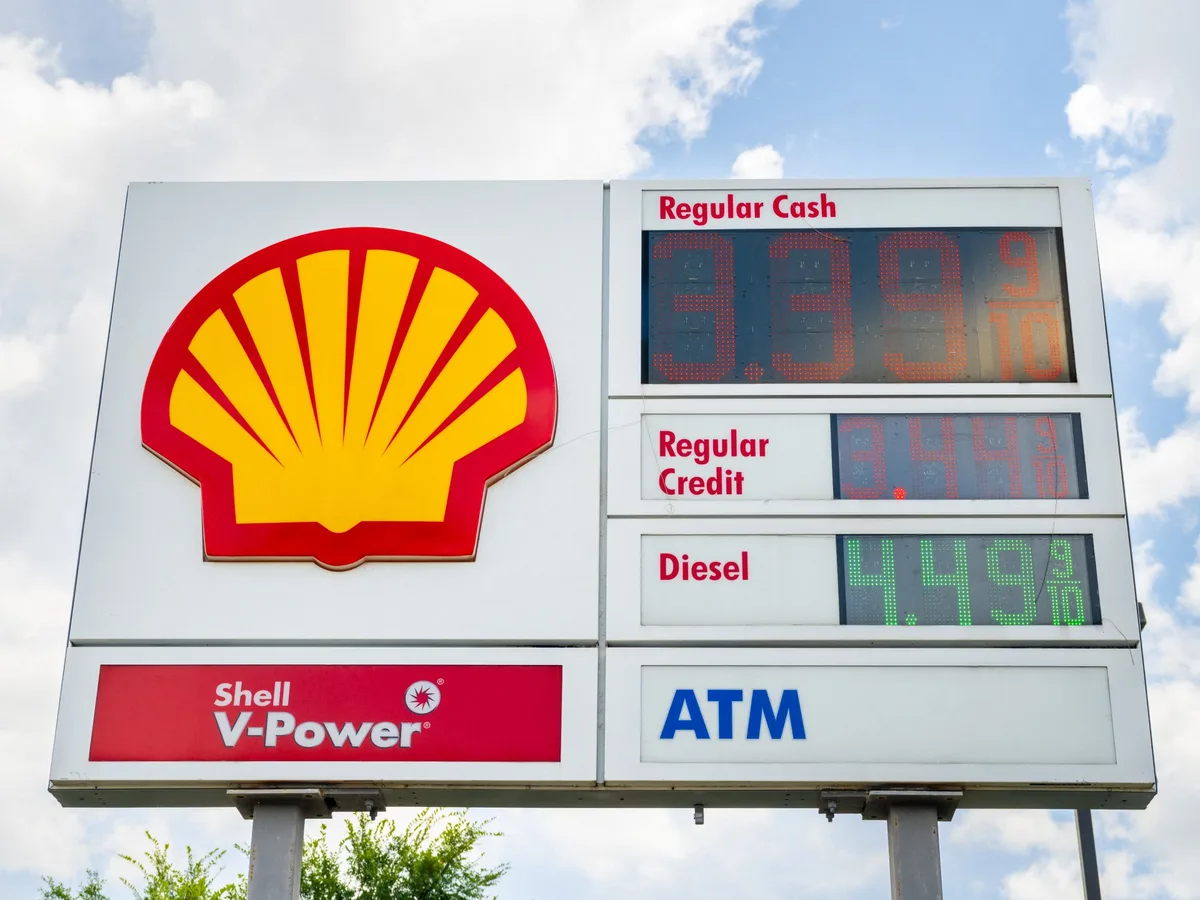
US consumer inflation slowed more than expected in June 2026 as the Consumer Price Index (CPI) increased 3.5% year-on-year, down from 4.2% in May, the Labor Department reported on July 14 [1, 2, 3, 4, 5]. On a monthly basis, the CPI declined 0.4% in June, marking the largest drop since April 2020 [1, 2, 3, 6, 4, 5, 7]. This easing was largely attributed to a 5.7% monthly fall in the energy index, with gasoline prices dropping about 9-10% month-on-month [1, 2, 3, 4, 5, 7]. The average gasoline price was $3.86 per gallon on July 14, down from prior highs but poised to rise again amid renewed tensions [1, 2, 4].
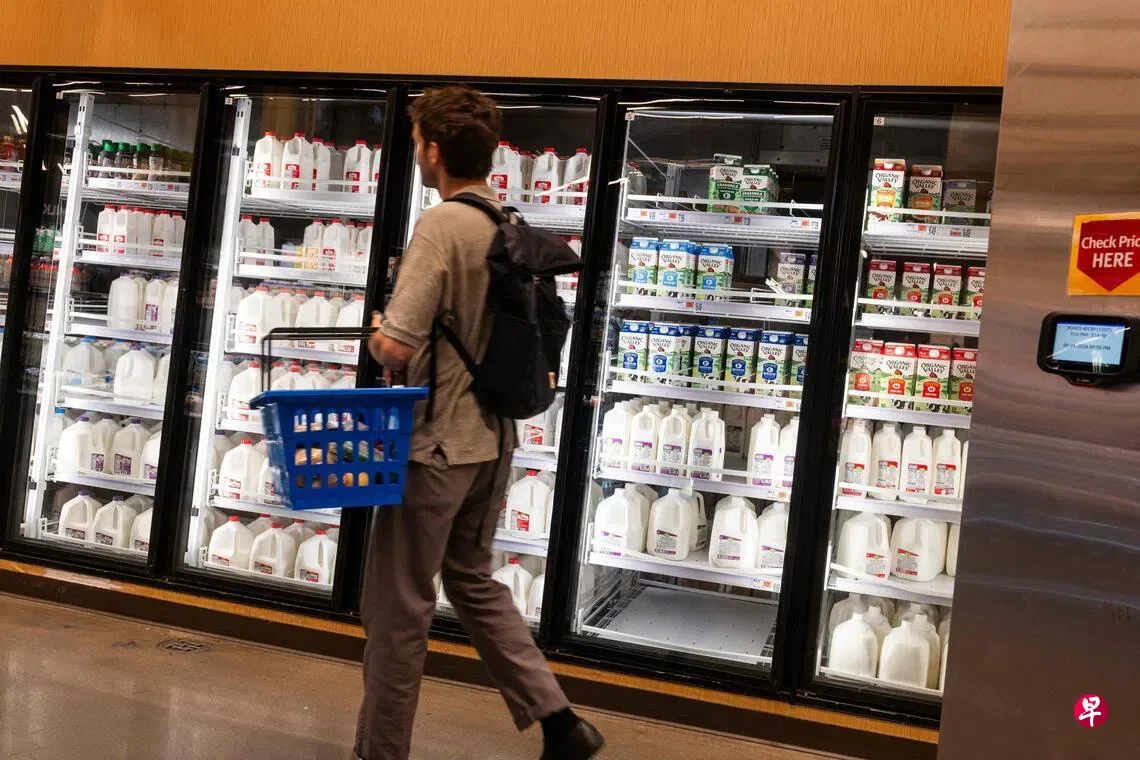
Core CPI inflation, which excludes volatile food and energy prices, rose 2.6% year-on-year in June, down from 2.9% in May [1, 2, 3, 8, 6, 7]. Core prices were unchanged month-on-month after increasing 0.2% in May [1, 2, 6, 7]. Other categories showed mixed movements: apparel prices fell 0.6% monthly, used cars and trucks declined 0.2%, while food prices edged up 0.2% [3, 4, 7].
Producer prices for final demand fell 0.3% month-on-month in June, an unexpected decline indicating easing wholesale inflation, though producer prices still rose 5.5% year-on-year, down from 6.0% in May [9, 7, 10].
The volatility in energy prices reflected geopolitical tensions in the Middle East. A temporary US-Iran ceasefire reached on June 14 helped lower energy costs and ease inflation pressures [1, 2, 8, 5]. However, this ceasefire collapsed by early July, with President Donald Trump announcing a naval blockade of Iran on July 13, escalating tensions and pushing oil and gasoline prices higher [1, 2, 11, 4, 5]. Patrick De Haan, head of petroleum analysis at GasBuddy, noted the June CPI decline "was real, but reflects prices from weeks ago," adding "new escalations have oil right back up, WTI over $80 today...$4 gas is days away" [4]. White House Deputy Press Secretary Kush Desai said Trump expected oil prices—and inflation—to "plummet like a rock" when Strait of Hormuz traffic normalizes, but tensions remain elevated [4].
The Federal Reserve held its benchmark interest rate at 3.50%-3.75% in mid-June, reflecting cautious patience amid volatile inflation drivers including AI costs [1, 9, 11]. Fed Chair Kevin Warsh said the central bank had "no tolerance for persistently elevated inflation" but showed patience for temporary factors [11]. Some Fed officials expect at least one more rate hike before the end of 2026, despite eased pressures [11]. Market odds of a rate hike in September stand around 52% [1, 2].
Chief economists from Moody's and Fwdbonds welcomed the data as signs that inflation may have peaked. Mark Zandi said it "suggests the worst is over," while Chris Rupkey called the declines "good news from the front" even as "the Fed's war with inflation isn't over by any means" [5, 7].
The Bureau of Labor Statistics will release further inflation data in the coming months to track whether these trends hold amid ongoing geopolitical uncertainty.