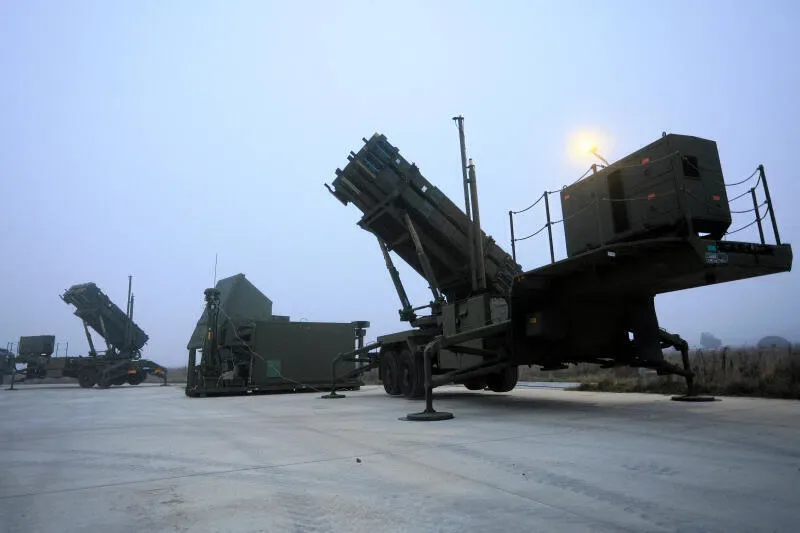
The US Department of Defense on August 3 announced framework agreements with Lockheed Martin and Northrop Grumman to expand production capacity for Patriot PAC-3 and THAAD missile interceptor parts amid strained stockpiles [1, 2, 3, 4]. The deal is valued at over US$3 billion and aims to significantly increase output of key missile defense components [1, 5, 6].
Under the agreements, production of Patriot missile components is expected to double or triple, while THAAD interceptor system output will triple or quadruple depending on the source [1, 2, 3, 5, 4]. The contracts also establish a second source for PAC-3 solid rocket motors and ramp up production of ignition safety devices [1, 2, 5, 4, 6].
Northrop Grumman's share of the framework deal exceeds $3 billion. The company has nearly tripled production capacity at its Allegany Ballistics Laboratory since 2021 and boosted output by 25% at its Maryland facility [3, 6]. Ben Davies, Northrop Grumman Vice President, said the company's investments in manufacturing technology and supply chains allow it to shift from steady production to rapid surges quickly [3, 6].
Separately, the US Army awarded Lockheed Martin a contract worth more than $58 billion for seven years of Patriot interceptor missile production [1, 2, 3].
The increases come amid dwindling US stockpiles due to ongoing conflicts in the Middle East, Iran, and Ukraine. The Pentagon estimates fewer than 1,000 Patriot interceptors and under 250 THAAD interceptors remain [1, 5, 6]. Ukraine relies heavily on Patriot systems as its only defense against ballistic missiles and has faced chronic shortages [1, 2, 3, 5].
Michael P. Duffey, Under Secretary of Defense for Acquisition and Sustainment, said, "Building the Arsenal of Freedom requires robust, dynamic supply chains at every level of the industrial base." He added that agreements with suppliers like Northrop Grumman are "vital to accelerating the tripling of PAC-3 and quadrupling of THAAD interceptor production" [3, 4].
The Pentagon is also pushing to accelerate other production agreements to meet growing missile defense demands [1, 3, 5].
The framework agreements mark a significant step in expanding US missile defense manufacturing capacity amid heightened global tensions and will shape output for the coming years.