The US dollar weakened marginally against major currencies on June 26 after US inflation data met expectations and remarks from Federal Reserve officials tempered bets on further rate hikes this year [1, 2, 3]. The US dollar index fell about 0.2% to a range near 101.31-101.35 but remained on track for its best monthly gain since July 2025, up roughly 2.17% to 2.5% in June [1, 2, 3, 4].
US inflation data released on June 25 met economists' forecasts, easing market pressure for aggressive Fed tightening but not ruling out a quarter-point rate increase by year-end. "While inflation pressures are likely to moderate this year, they remain too high," Federal Reserve Bank of New York President John Williams said, noting the challenge of returning inflation to the 2% target [1, 2, 3, 4]. Strategists observed some dollar profit-taking late in June with rate differentials still a major driver. Lloyds currency strategist Nick Kennedy said, "We have had a bit of profit taking, maybe because of month-end but I think this move in the dollar could extend a bit more."
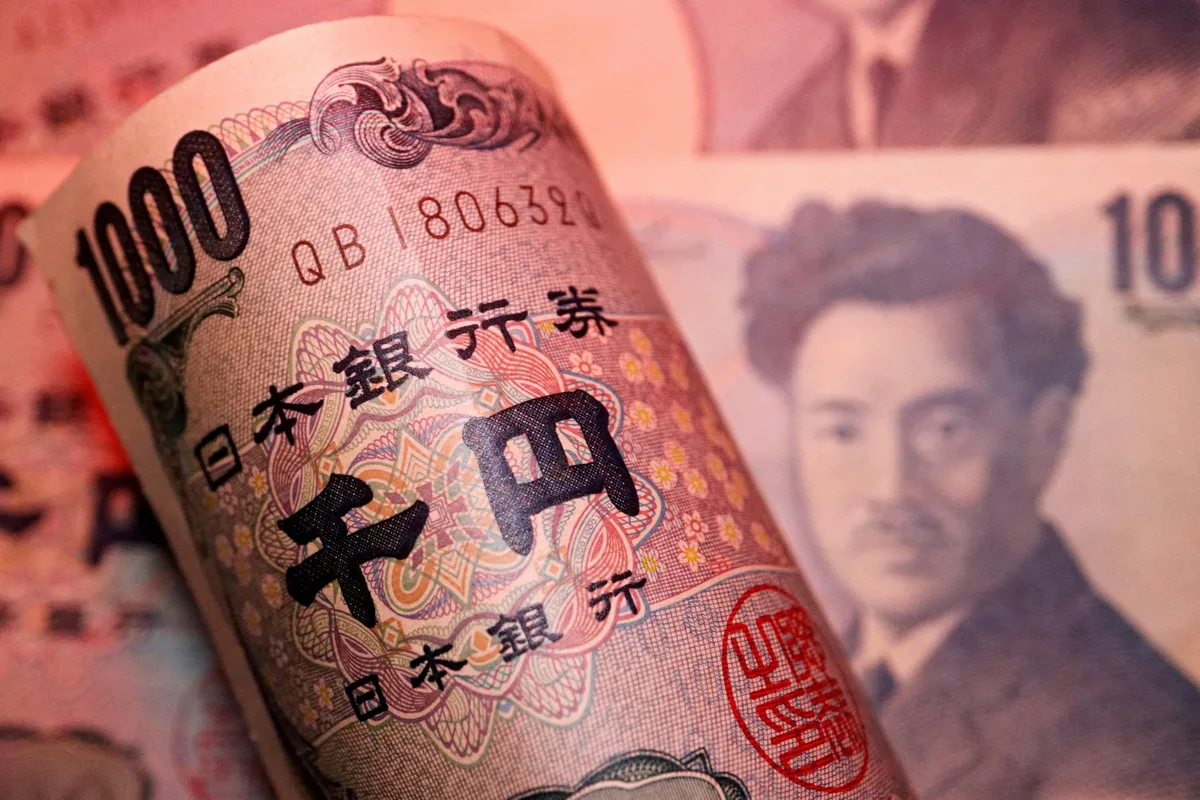
The Japanese yen weakened sharply, hitting historic lows against the dollar near 162.7-162.8 on June 30 and July 1, the lowest level in about 40 years [5, 6, 7, 8]. This breached the key intervention threshold of roughly 161.95 yen per dollar, seen as challenging Japan's policy credibility and prompting warnings of possible government market action [1, 2, 5, 3, 9, 6, 7, 8]. Japanese Cabinet Secretary Minoru Kihara said the government was "highly alert to excessive volatility in foreign exchange markets and is ready to take action if necessary," without specifying exchange rate levels [6]. Wells Fargo strategist Chidu Narayanan noted the market "has approached the zone where Japanese authorities may have to act to maintain policy credibility," emphasizing the range rather than a precise level as key [7].
The Bank of Japan raised its interest rate by 25 basis points to about 1.0% in mid-June, but the yen remained weak due to large interest rate differentials with the US [1, 6, 7]. Some analysts have moved up expectations for further BOJ hikes to October from December amid rising Tokyo core inflation, although others highlight that the June hike has already occurred [1]. Meanwhile, the US Treasury and Japan's Finance Ministry have held talks, sparking speculation of possible coordinated intervention [6].
Crude oil prices fell sharply in late June as well, with US crude dropping about 3.6% to $69.33 a barrel amid increased tanker traffic through the Strait of Hormuz [2, 3].
Major European currencies including the euro and British pound showed mild gains against the US dollar around June 26 [1, 2, 3, 9, 4, 8].
The next key development will be monitoring if and when Japanese authorities intervene in currency markets to support the yen as it trades below the 161.95 threshold in early August [6, 7].