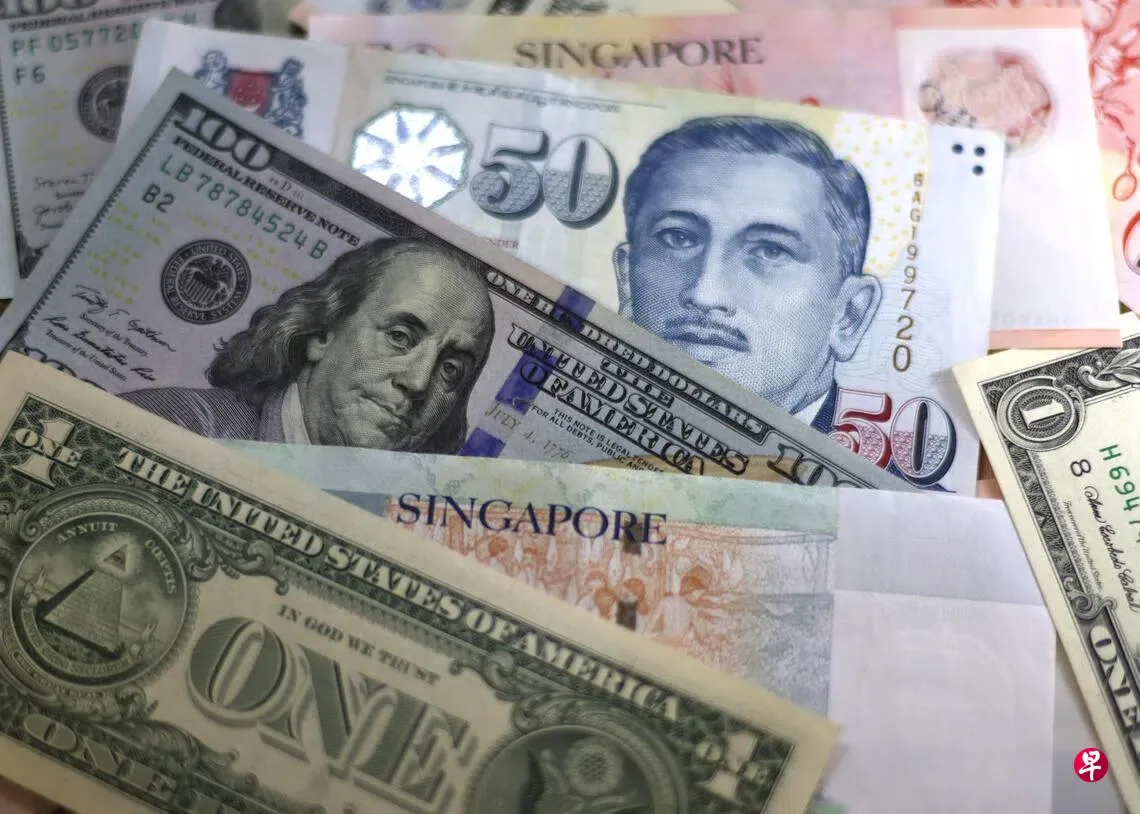
The US dollar hovered near multi-month lows on August 24-25, 2026, as market concerns grew over rising US sovereign debt and a planned Treasury program to double buybacks of long-term bonds to US$4 billion per operation starting late August 2026 [1, 2, 3, 4, 5]. Rising long-term bond yields worldwide reflect strong economic growth prospects and inflation expectations combined with worries about large sovereign debt loads [1, 2, 3, 4, 5].
The US Treasury's expanded bond buyback effort aims to alleviate pressure on long-term yields by supporting demand for debt, a strategy closely watched by investors amid budget deficit concerns [6, 7, 8]. David Morrison, senior market analyst at Trade Nation, said, “Trump wants borrowing costs down. I imagine he appreciates the fact that the Fed can only really control the overnight rates. And so why wouldn’t the Treasury get in there and attempt to push yields at the longer end down?” [6]. Morrison added that “a softer dollar would also work in favour of the administration that wants more US companies to export.”
The dollar came under additional pressure amid uncertainty over new Iran sanctions. US Treasury Secretary Scott Bessent threatened the toughest sanctions in US history, but details remained awaited [2, 4, 5]. The dollar held steady but fragile as of August 25 with the expanded sanctions and bond buybacks supporting some floor to losses [6, 7, 8].
Asian currencies generally strengthened against the dollar in this environment. The South Korean won reached a near one-year high of 1,376.5 won per US dollar on August 24, driven by record semiconductor exports and a sizeable trade surplus. Christopher Wong, forex strategist at OCBC, noted that “exporter and corporate USD selling, alongside the softer broader USD, appear to have provided the more consistent support [to the won]. The domestic backdrop also remains constructive, with exports up 56% YoY in the first 20 days of August on record semiconductor shipments and a sizeable trade surplus.” [1] Other Asian currencies, including the Taiwan dollar and Thai baht, also gained amid weaker US dollar and export gains [1]. The Chinese yuan hovered near a 3½-year high at about 6.7236 yuan per dollar in late August 2026 [2, 3, 4, 5].
Trade tensions escalated between the US and Canada when Washington imposed 50% tariffs on Canadian goods, weighing on the Canadian dollar, which traded around C$1.3836 to C$1.3860 per US dollar August 24-25 [2, 4, 5, 6, 7, 8].
The US dollar also recorded its largest weekly drop against bitcoin in nearly 3.5 years as of August 24, reflecting investor demand for alternative assets amid concerns about dollar debasement and fiscal policy. Marc Ostwald, chief economist at ADM Investor Services International, said, “The more [US Treasury Secretary Scott Bessent] tries to push back, the more markets will push against him. As a result, you’ll see what we’ve seen in the last week, which is strong support for gold and bitcoin, because of those debasement fears, and people will look to diversify out of G7 bond assets, particularly because they fear that no one’s doing anything to rein in the budget deficits.” [4]
Market expectations for a Federal Reserve interest rate hike in September dropped sharply. The probability of a 25-basis point hike fell from 67% to about 40% as of August 25 [6, 7, 8].
Analysts expect the dollar to remain under pressure for the rest of 2026 due to multiple economic factors including debt concerns, Treasury bond operations, export trends, and sanctions uncertainty [6, 7, 8].