The US House of Representatives passed a continuing resolution (CR) on September 1 to fund the federal government through December 11, 2026, by a vote of 370 in favor and 48 opposed [1, 2]. The Senate had approved the bill earlier in August before its recess, clearing the way to keep federal spending at current levels until mid-December [3, 2].
Without the measure, government funding would have lapsed at the end of the fiscal year on September 30, 2026, risking a shutdown [1, 3, 2]. Some sources indicate funding could have expired on October 1, but either date would have triggered a halt in federal operations without a new agreement [1, 2].
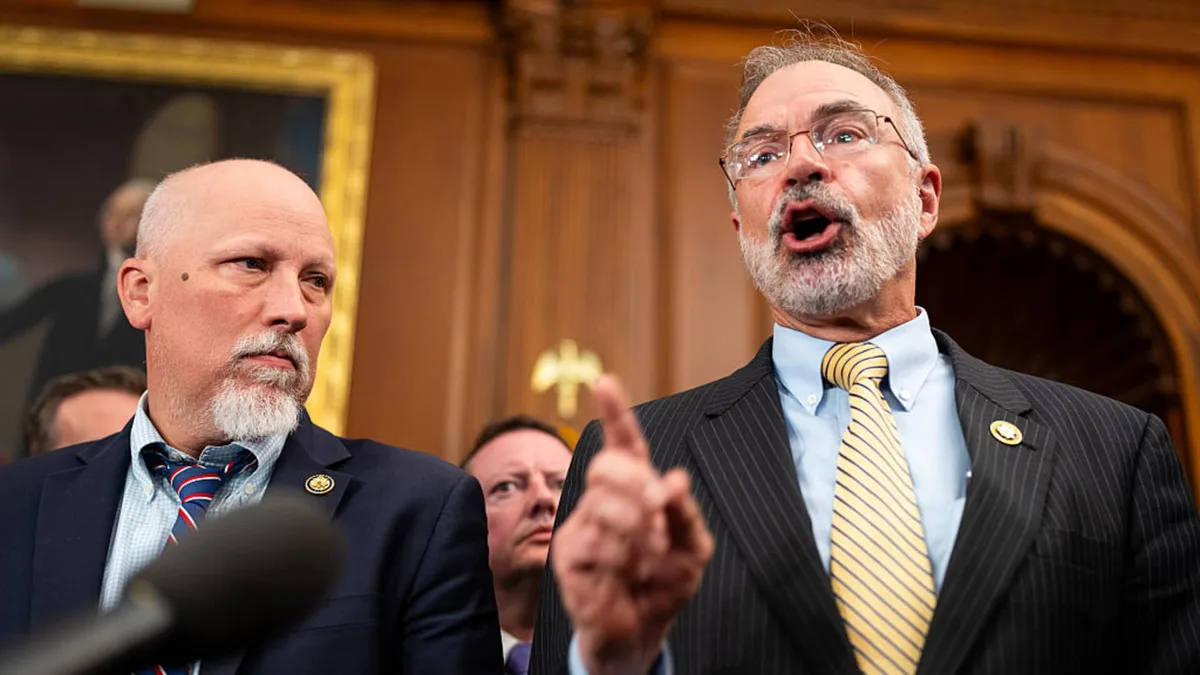
House leadership passed the bill using a "suspension of the rules" procedure, which required a two-thirds majority to ensure bipartisan support [3]. Pete Aguilar, Democratic caucus chair, said, "Given that the objectives that we had were met, I think that there’s going to be broad bipartisan support" [1]. However, some GOP hardliners, chiefly members of the House Freedom Caucus, opposed the resolution, citing concerns over funding for Planned Parenthood and the lack of a THC hemp ban. Representative Chip Roy, a Texas Republican, expressed concerns, stating, "Members should be clear about what passage of this legislation would mean: Congress would once again affirmatively fund policies we have spent months fighting to change" [3].
Tom Cole, Republican chair of the House Appropriations Committee, said the bill "will give Congress time to get past the November elections" [2]. The midterm elections on November 3 will determine the balance of power in both chambers and influence future budget negotiations [1, 2].
This continuing resolution ends on December 11, providing a temporary budget framework while lawmakers prepare for new appropriations bills. There have been three government shutdowns during President Donald Trump's second term, including the longest shutdown in US history lasting 43 days in October 2025 [2]. The CR secures uninterrupted federal operations for the next three months while Congress focuses on the upcoming elections.