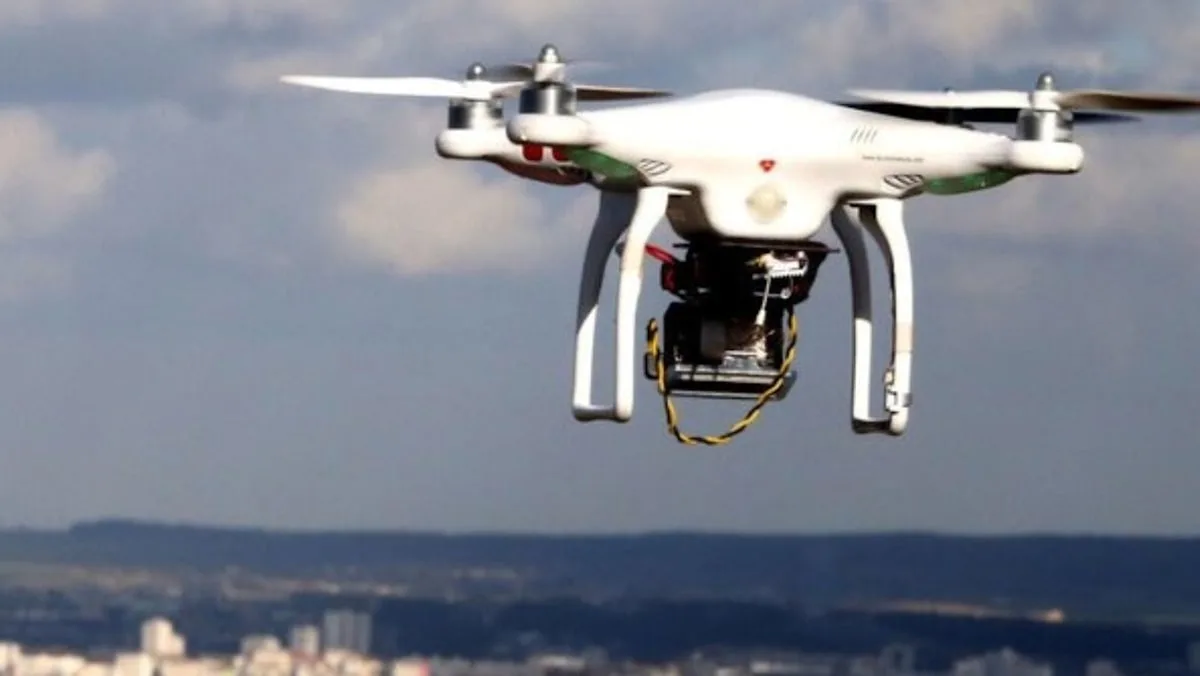
The United States began enforcing new tariffs of up to 100% on drones and certain components on September 3, 2026, aiming to reduce reliance on imports largely dominated by China [1, 2, 3, 4]. The tariffs come after President Donald Trump signed an executive order in August citing national security threats posed by drone imports and the need to boost domestic supply chains [1, 2, 3, 4].
Drones weighing more than 25 kilograms or equipped with thermal imaging technology, along with drone docking stations, now face the highest tariff rate of 100% [1, 2, 3, 4]. Smaller drones are subject to a 25% tariff [1, 2, 3, 4]. Starting February 9, 2027, tariffs will be extended to certain drone components considered less sensitive [1, 2, 3, 4].
The tariffs target Chinese manufacturers, with DJI having secured over two-thirds of the global drone market in recent years [1, 2, 3, 4]. Since 2022, DJI has been placed on a US entity list due to alleged ties to the Chinese military, restricting the company’s access to US technology [1, 2, 3, 4]. DJI is contesting its inclusion on the list through lawsuits aimed at overturning the designation [2, 4].
China’s Ministry of Commerce responded strongly, warning that the tariffs will "disrupt the global drone supply chain and further undermine a fair and competitive market environment," according to a spokesman [2].
The phased tariff schedule reflects US efforts to shield critical technology sectors from foreign influence, with the immediate focus on heavier and more capable drones. The planned February 2027 tariffs will broaden the scope to less sensitive parts, extending the impact on the drone industry supply chain [1, 2, 3, 4].