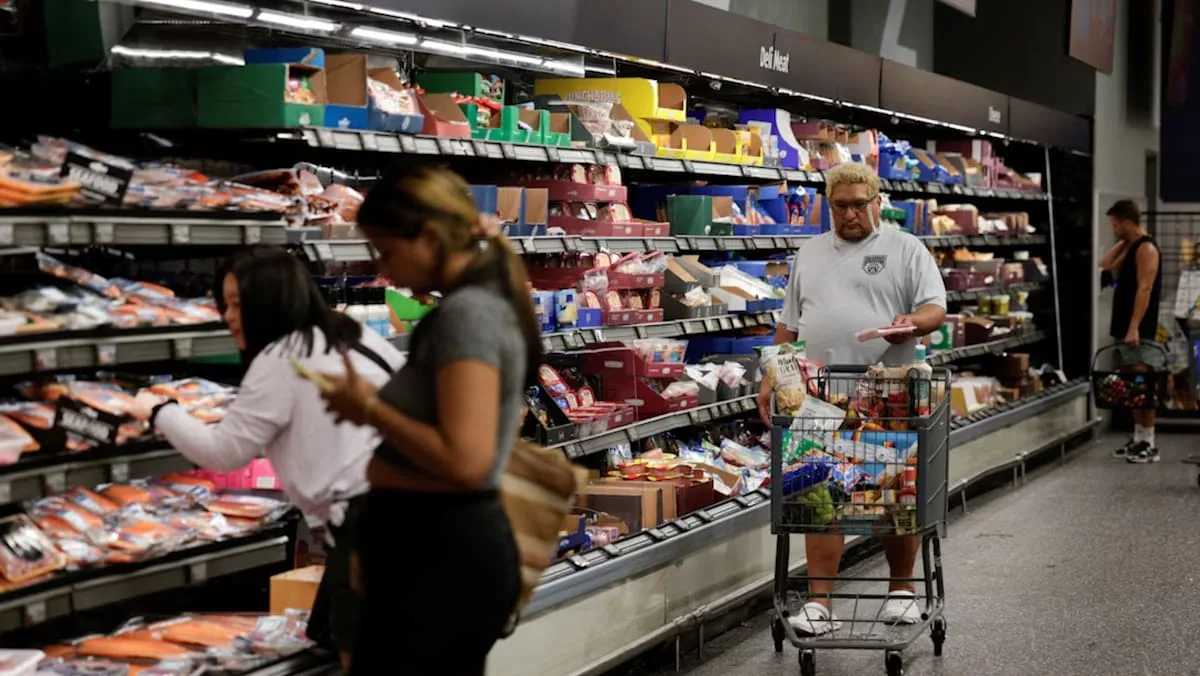
The US Personal Consumption Expenditures (PCE) price index increased 0.2% month-on-month and 3.7% year-on-year in July 2026, reversing a prior decline and remaining above the Federal Reserve’s 2% inflation target [1, 2, 3]. Core PCE, which excludes food and energy, rose 0.2% month-on-month and 3.3% year-on-year, also staying above the Fed's goal [1, 2].
Consumer spending grew 0.2% in July, while second quarter spending growth was revised upward to an annualized 3.4%, reflecting robust demand [1, 2]. The US economy's Q2 GDP growth was confirmed at an annualized 1.5%, down from 2.1% in the first quarter, indicating a moderate slowdown [1, 2].
Market expectations show about a 40% chance of a 25 basis point rate hike when the Fed meets September 15-16, reflecting continued debates on inflation risks and policy [1, 2, 3]. Four regional Fed bank boards urged a rate increase in July, signaling internal divisions on inflation and monetary strategy [4, 5]. Boston Fed President Susan Collins warned, "If future data do not prove that inflation continues to decline, the Fed will need to raise rates again soon to restore price stability in a reasonable time frame" [5].
In contrast, Morgan Asset Management’s Karen Ward argued the Fed should not raise rates in September, saying, "US labor market signals show the Fed should not raise rates in September. Treasury Department bond market intervention is disconcerting" [6]. This highlights ongoing disagreement among policymakers and analysts.
Fed Chair Kevin Warsh is expected to address the inflation challenge and policy outlook at the Jackson Hole symposium later this month [2, 5, 6]. NVIDIA reported strong Q2 2027 earnings, with $96.2 billion revenue doubling year-on-year and projecting 70% revenue growth in fiscal 2028, bolstering confidence in technology-driven economic expansion [3, 7, 8, 9].
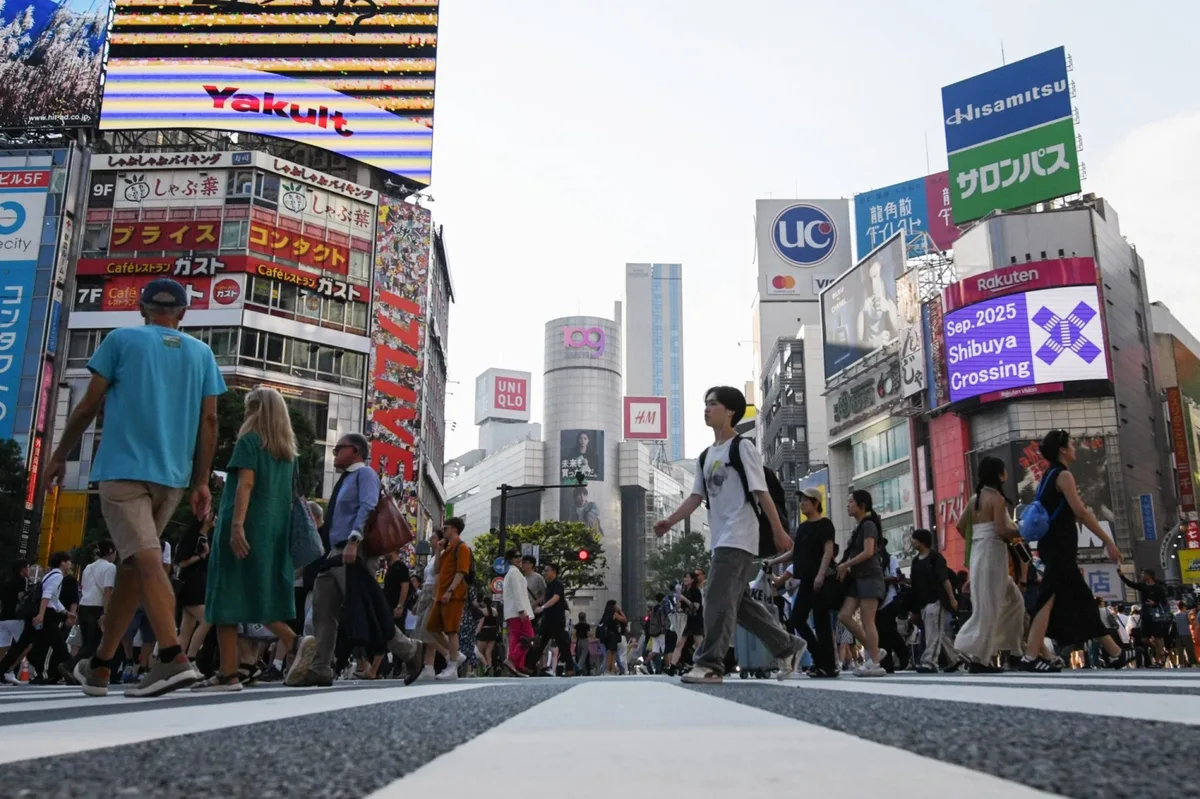
Abroad, Tokyo’s core consumer price index rose 1.8% year-on-year in August 2026, supporting expectations of a Bank of Japan rate hike [10]. Meanwhile, France revised its Q2 2026 GDP growth to zero and saw August inflation accelerate to 2.4% [11].
US Federal Reserve policymakers will next meet September 15-16 to decide interest rates, with inflation data and internal debates likely shaping their decision.