On July 7, three tankers near the Strait of Hormuz, including a Qatari LNG tanker and a Saudi crude oil tanker, were attacked causing fires and damage to the vessels [1, 2, 3, 4]. In response, the US revoked a licence previously granted in June that had allowed Iran to sell oil internationally, citing Iran's hostile actions in the region and giving Iran until July 17 to wind down related transactions [1, 2, 3]. Brett Erickson, managing principal at Obsidian Risk Advisors, said the revoked licence was a major concession Iran needed to justify lifting its blockade of the strait [1].
The US military launched multiple strikes on Iranian targets near the Strait of Hormuz starting July 8 to impose heavy costs on Iran for the attacks [5, 3, 6, 7]. US Central Command stressed that despite the tensions, Iran does not control the Strait of Hormuz and emphasized ensuring freedom of navigation through the waterway [7, 8]. President Donald Trump declared the ceasefire with Iran "over" and warned of possible further military actions absent a peace deal [2, 9, 6, 10, 7]. In contrast, Iran denied responsibility for the tanker attacks and threatened to close the Strait of Hormuz in response to the US strikes [2, 6].
The attacks and subsequent military actions spiked oil prices sharply. Brent crude surged over 5% to above $78 per barrel, while West Texas Intermediate crude topped $72 a barrel, reaching two-week highs amid growing conflict fears [5, 3, 4, 6]. Shipping traffic through the Strait of Hormuz significantly declined to between one-fifth and one-third of pre-conflict levels, with some vessels turning back due to safety concerns. Jorge León, head of geopolitical analysis at Rystad Energy, said tanker traffic "has essentially stopped, which tells you more about risk perception right now than any statement from Washington or Tehran" [1, 4, 8].
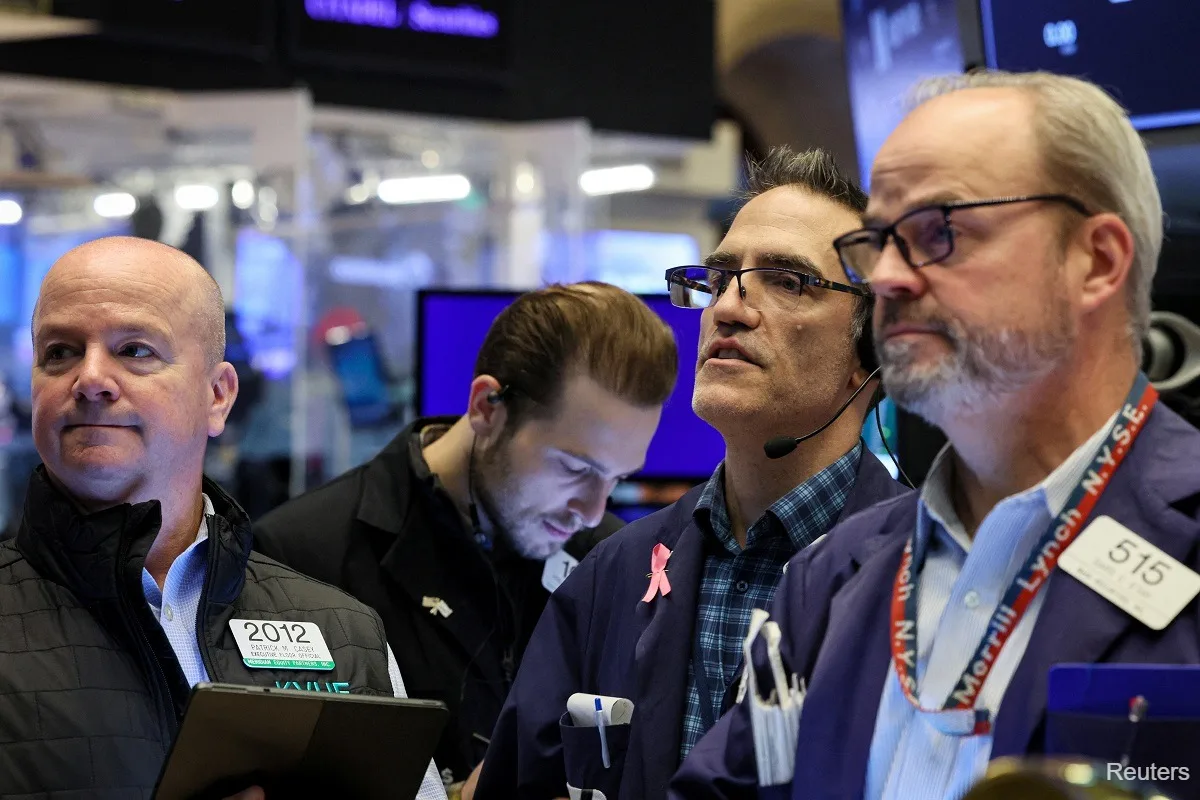
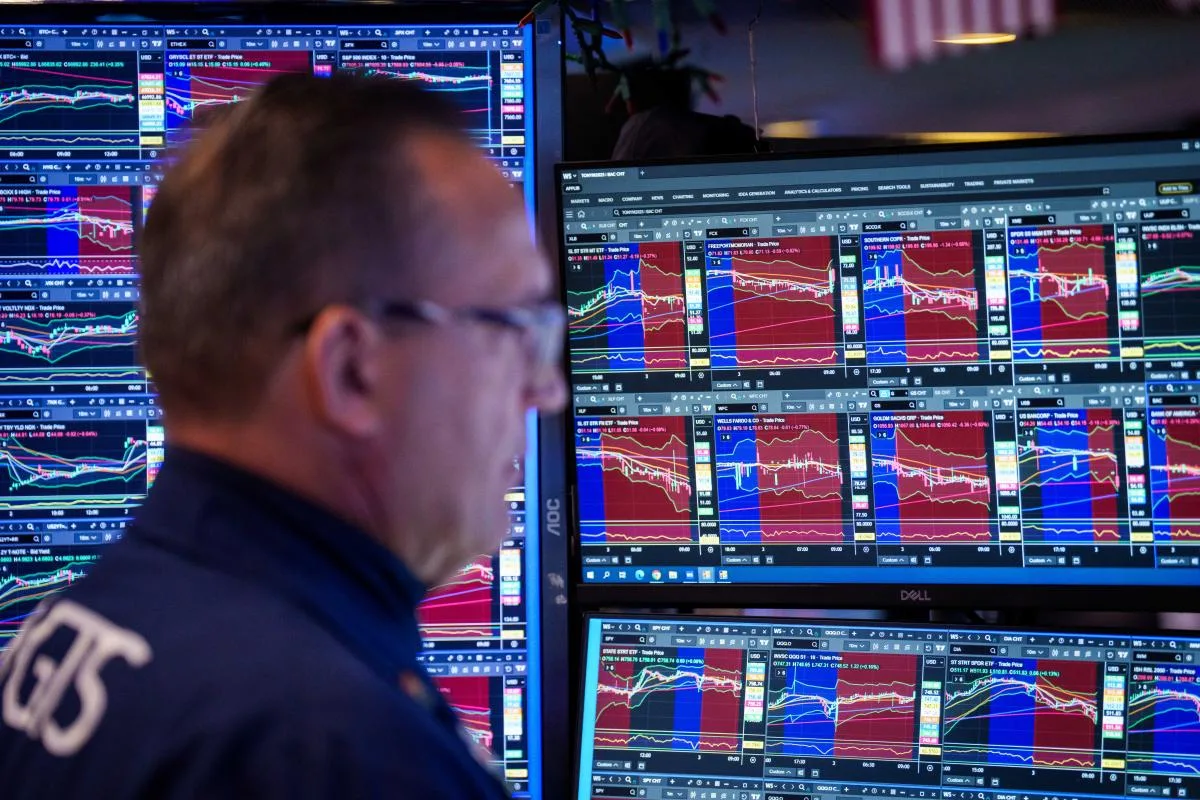
The conflict also triggered selloffs in global stock markets, especially in technology and travel-related sectors, amid rising inflation fears and geopolitical risk [11, 9, 10, 12]. Analysts warned the tanker disruptions and ongoing hostilities threaten energy supply and global market stability [1, 5, 4, 6]. Mark Haefele, chief investment officer at UBS Global Wealth Management, noted the path to a lasting peace deal remains bumpy but both sides have incentives to keep the Strait open [7]. Matthew Ryan, head of market strategy at Ebury, called the situation a "million-dollar question" as to whether the crisis signals a permanent breakdown or a temporary setback in talks [9].
On July 9, US Central Command confirmed a second night of military strikes against Iran, further escalating tensions and driving oil prices to new highs [6, 10]. By July 10, oil prices steadied while US forces reiterated that Iran does not control the Strait of Hormuz despite the hostilities [8]. The licence revocation deadline for Iran to end related oil sales transactions is set for July 17 [1, 2].