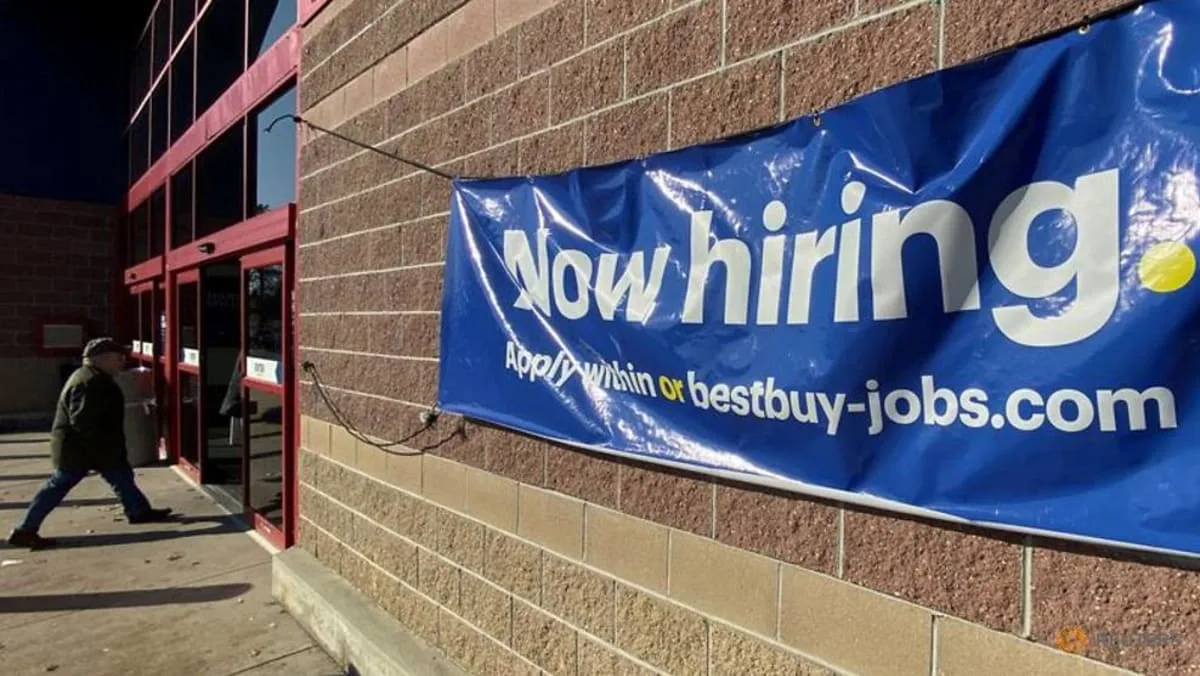
US job openings surged by approximately 730,000 to reach between 7.61 million and 7.62 million at the end of April 2026, the highest level since 2024 and the largest monthly increase in five years [1, 2, 3, 4]. The job openings rate rose to 4.6% amid this sharp rise [1].
The professional and business services sector accounted for over 90% of the increase in job openings, driving much of the overall gain [2, 3, 4]. Despite the rise in positions available, hiring in April fell by around 419,000, pushing total hires to approximately 5.12 million [1, 2, 4]. Worker quits also declined by about 183,000 to 2.98 million, hitting a nearly six-year low quit rate of 1.9%, signaling diminished labor market confidence [1, 2, 3, 4]. Layoffs and discharges fell by around 192,000 to 1.69 million, with the layoff rate holding near historic lows at 1.1% [1, 2, 4].
Some economists cautioned the rise in openings could be overstated. Samuel Tombs, chief US economist at Pantheon Macroeconomics, said the April increase may be "illusory," noting previous sharp declines in openings were later revised upward [4]. However, others saw the data as a positive signal. Noah Yosif, chief economist at the American Staffing Association, noted employers "are taking the time to ensure they find the right candidates to fill positions" [3]. ADP chief economist Nela Richardson said May’s private sector hiring, which increased by 122,000—the highest monthly gain since January 2025—showed sustained momentum entering the summer season [5].
The labor market showed a pattern of "low hiring, low firing," as employers remained cautious amid uncertainties including the ongoing Iran war and rising energy costs [1, 3, 4, 6]. Matthew Martin, senior US economist at Oxford Economics, said that with no clear resolution in Iran and oil price increases squeezing real incomes, firms may further reduce hiring plans [4]. Supporting this, the NFIB small business survey reported May hiring plans had dropped to a six-year low of just 9% planning to hire in the next three months, citing rising labor cost pressures [7]. NFIB chief economist Bill Dunkelberg remarked that small business owners face growing challenges retaining workers due to costly new state regulations [7].
In contrast, certain technology firms announced fresh record layoffs even as investment in artificial intelligence remained strong [8, 9]. Weekly initial unemployment claims rose to 225,000 for the week ending May 30, the highest since early February but still near historic lows [6, 8, 9].
The mixed signals and ongoing geopolitical risks have led to a cautious labor market environment, where openings remain high but hiring and quits have softened. US private sector employment gains in May and continued monitoring of labor market data will provide more clarity on trends ahead.