The US Labor Department reported an increase of 57,000 nonfarm jobs in June 2026, significantly missing market expectations of 110,000 to 115,000 new jobs [1, 2, 3, 4, 5, 6, 7]. This follows downward revisions totaling 74,000 jobs for April and May, reflecting weaker labor market conditions than previously thought [1, 3, 7].
The unemployment rate edged down to 4.2% in June from 4.3%, but this drop was partly due to a decline in the labor force participation rate, which fell to 61.5%, its lowest level in over five years [1, 3, 4, 6, 7]. Experts note that the reduced participation suggests some workers are leaving the labor market, rather than finding jobs, signaling cooling in the labor market [3, 7]. Brookings Institution senior researcher Brooks said the sharp participation drop could indicate workers discouraged by job prospects, which may temper inflationary pressures [8].
Sector performance was uneven. The leisure and hospitality sector shed 61,000 jobs—the largest monthly decline since 2020—likely driven by seasonal factors and fading World Cup-related hiring effects [1, 3, 5, 7]. Meanwhile, professional and business services added 36,000 jobs, and healthcare and social assistance continued solid hiring [1, 3, 7]. Retail trade and information saw job cuts amid the broader weakness [3, 7].
Goldman Sachs economists Ronnie Walker and Jessica Rindels estimated the World Cup boosted June payrolls by about 40,000 jobs, concentrated in leisure, hospitality, professional services, trade, and transportation sectors [9, 10]. They noted that without this boost, payroll growth could have been even weaker. This assessment contrasts with the official figure, leading to debate about the underlying health of the labor market [1, 2, 3, 4, 5, 6, 7].
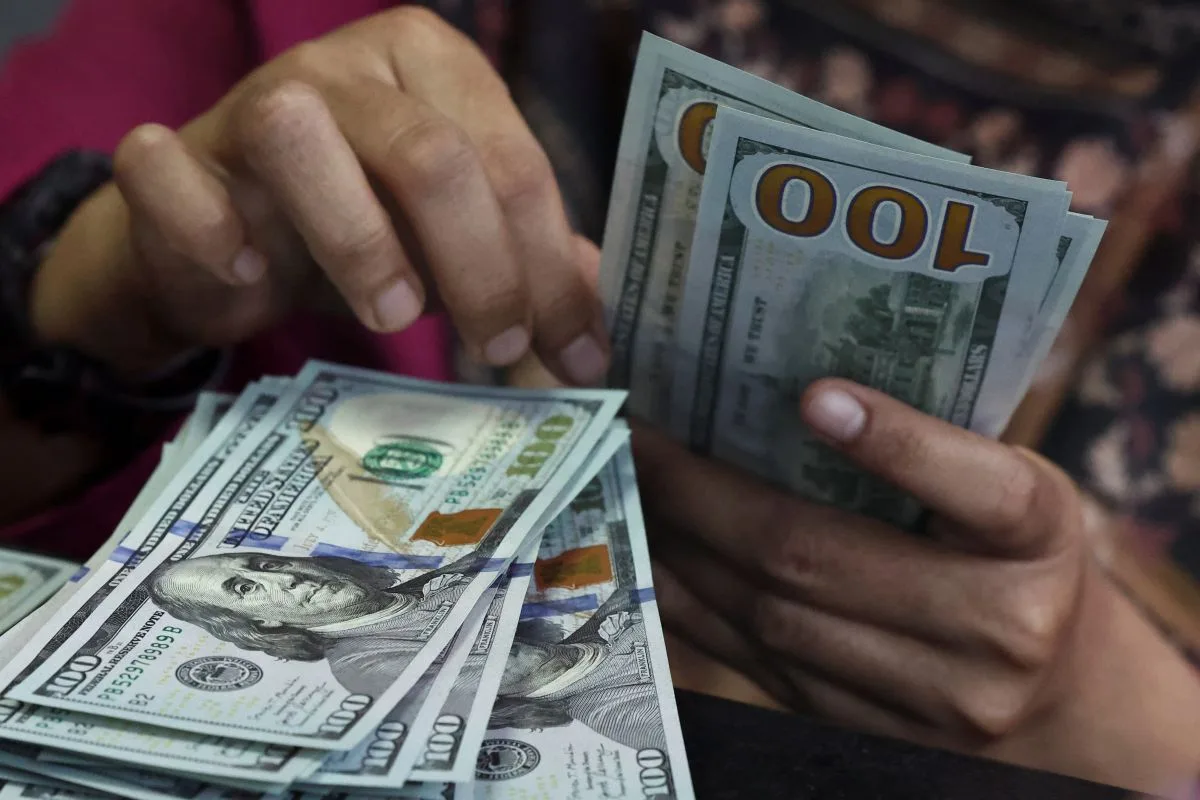
The weak jobs report rattled financial markets, reducing near-term expectations for Federal Reserve interest rate hikes. Market watchers lowered the odds of a September rate increase from around 60% to roughly 45-52% [11, 4, 5, 6, 8, 12, 10]. The US dollar weakened, nearing its largest weekly drop since April 2026, with analysts linking the decline to diminished Fed tightening bets [11, 8, 12]. Sim Moh Siong, FX strategist at OCBC, described the report as "dovish," helping ease concerns about overheating and aggressive Fed action [11].
Janus Henderson Investors' Bradford Smith said the softer employment data could reduce Fed pressure to raise rates amid easing oil inflation [4]. SEB Chief Analyst Karl Steiner added that the unfolding data supports a potential pivot away from hikes, with the dollar likely to weaken further [12].
Despite signs of cooling, some experts emphasize that underlying demand remains resilient after revisions, as the average monthly job gain over the prior three months was still about 111,000 [6]. The June slowdown may thus reflect transient seasonal and World Cup factors rather than structural weakness [9, 5, 6, 10].
The US will release June Consumer Price Index data on July 14, which is expected to influence the Fed’s policy decisions and further dollar movement [8].