US nonfarm payrolls increased by 162,000 jobs in August 2026, far surpassing expectations of around 53,000 to 56,000, according to multiple sources [1, 2, 3, 4]. The unemployment rate remained steady at 4.1%, consistent with July’s figure [1, 5, 2, 3, 4].
July payrolls were revised upward from an initial report of a 23,000 job loss to a 21,000 increase, reflecting more positive labor market conditions than first reported [1]. Average hourly earnings rose by 0.3% in August to $37.75 and are up 3.1% year-over-year, signaling steady wage growth [3, 4].
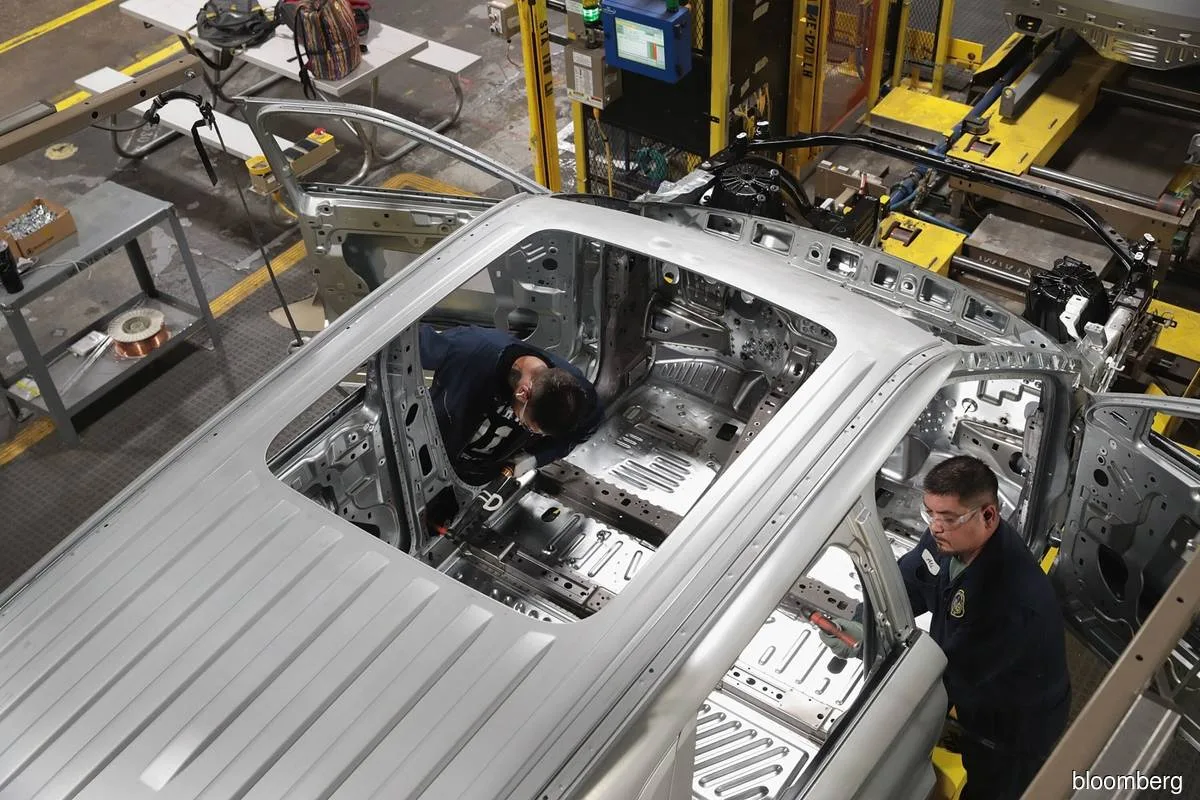
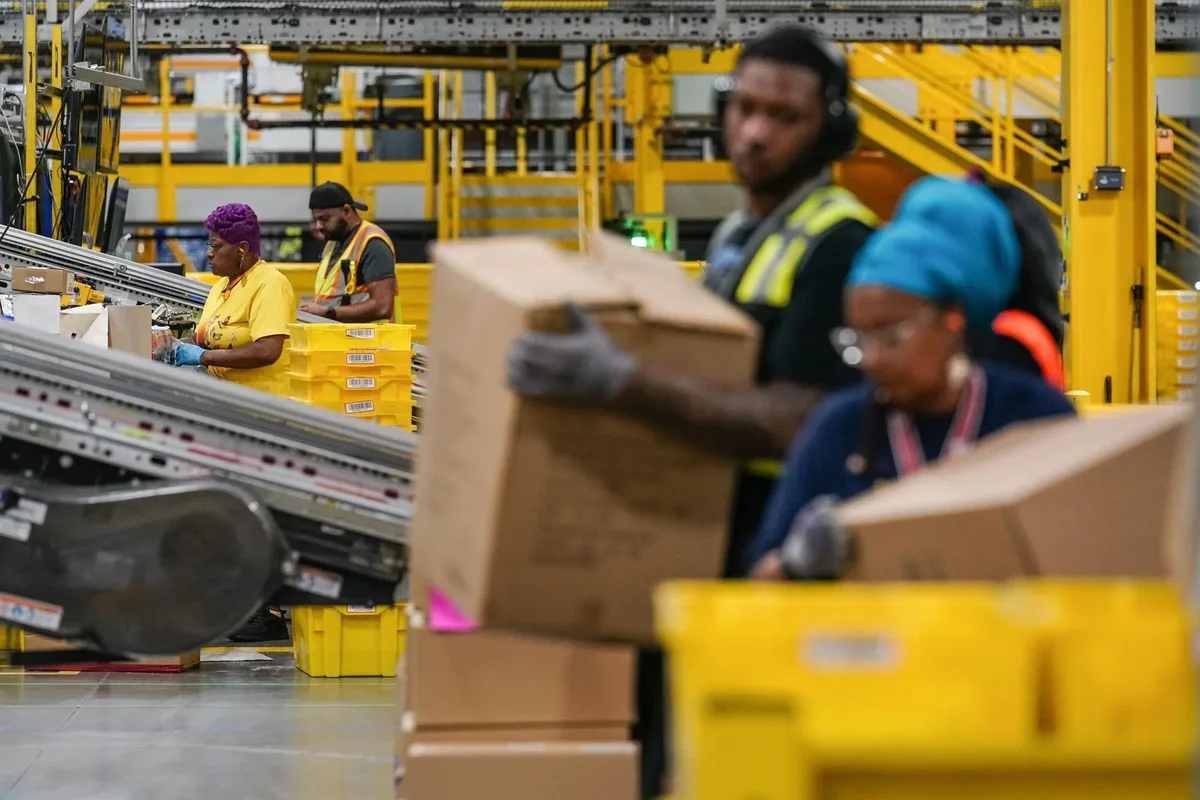
Employment expanded notably in food services, adding 59,000 jobs. Local government education added 42,000 jobs, and manufacturing increased by 16,000 positions. Conversely, the information sector shed 23,000 jobs during the month [4].
Economists describe the labor market as stable but with slower momentum compared to the spring months. Dan North, senior economist at Allianz Trade North America, called the jobs picture "stable but unexciting," citing uncertainties including the US-led war with Iran and supply chain challenges as factors moderating growth [1, 5].
Financial markets initially reacted to the strong payroll report with a rise in the US dollar and increased expectations for a Federal Reserve interest rate hike in mid-September, though some gains were trimmed ahead of key inflation data releases [1, 3]. Noel Dixon, senior macro strategist at State Street, said, "I don’t think this number changes anything really... It’s all going to boil down to what that core number is going to be... and I think the markets are going to react accordingly" [3].
The Federal Reserve is scheduled to meet September 15-16 to decide on interest rates. Ahead of that, producer price index data is expected on September 10, followed by consumer price index figures on September 12. These inflation reports are critical in guiding the Fed’s policy decisions [1, 3].
As of the end of August, about 7 million people were unemployed in the US [4]. The labor market showed signs of resilience amid geopolitical and economic headwinds, with upward revisions to prior months and solid gains in key sectors. The upcoming inflation data and Fed meeting will shape the next phase of policy and market reactions.